
Stainless Steel and Nickel Prices: What They Do to Equipment Quotes
How nickel prices flow through stainless steel alloy surcharges into equipment quotes, the latest dated figures, why old quotes go stale, and how to protect an estimate.
Nickel reaches equipment quotes through the stainless steel alloy surcharge. Producers price stainless plate, sheet and coil as a base price plus extras plus an alloy surcharge, and they usually publish the surcharge each month from the average cost of alloys over a fixed period before delivery [1]. When nickel moves, the surcharge for nickel bearing grades such as 304 and 316L follows within weeks, and so does the material cost of every stainless vessel, heat exchanger and skid. A quote that does not say which surcharge month and grade it assumed goes stale quickly.
This article is updated each quarter. Figures below were checked on 28 October 2026.
Why this matters now
Nickel has been volatile in 2026. According to a stainless trading firm's market review, the London Metal Exchange (LME) nickel price reached $19,450 a tonne on 6 May, fell to $14,885 on 15 October and recovered to $15,440 by 27 October [2]. The same review links much of the movement to Indonesian policy: the nickel ore mining quota was cut to 250 to 260 million tonnes from 379 million the year before, then raised to around 290 million tonnes in mid October [2]. Treat that review as market commentary; the World Bank's official monthly averages are below, alongside surcharge figures from the producers and from Shanghai Metals Market (SMM).
Join ChemCapital to streamline sourcing and connect with verified partners
Whether you're buying or supplying, ChemCapital gives you the tools to manage the complete procurement cycle in one platform.
The latest figures
| Measure | Figure | Date | Source |
|---|---|---|---|
| LME nickel, monthly average | $16,651 per tonne | July 2026 | World Bank [3] |
| LME nickel, monthly average | $16,751 per tonne | August 2026 | World Bank [3] |
| LME nickel, monthly average | $16,324 per tonne | September 2026 | World Bank [3] |
| LME nickel, annual average | $15,162 per tonne | 2025 | World Bank [3] |
| LME nickel, annual average | $16,814 per tonne | 2024 | World Bank [3] |
| Outokumpu alloy surcharge, 304 | €2,346 per tonne | July 2026 | SMM [4] |
| Outokumpu alloy surcharge, 304 | €2,188 per tonne | October 2026 | SMM [4] |
| Aperam alloy surcharge, 304 | €1,939 per tonne | January 2026 | Aperam [5] |
| Aperam alloy surcharge, 316L | €3,213 per tonne | January 2026 | Aperam [5] |
Two readings stand out. Nickel's September 2026 average was about 8% above the 2025 average. And Outokumpu's 304 surcharge fell by €158 a tonne, about 7%, between July and October [4]. Surcharges from different producers are calculated differently, so compare a producer only with itself.
How the chain works
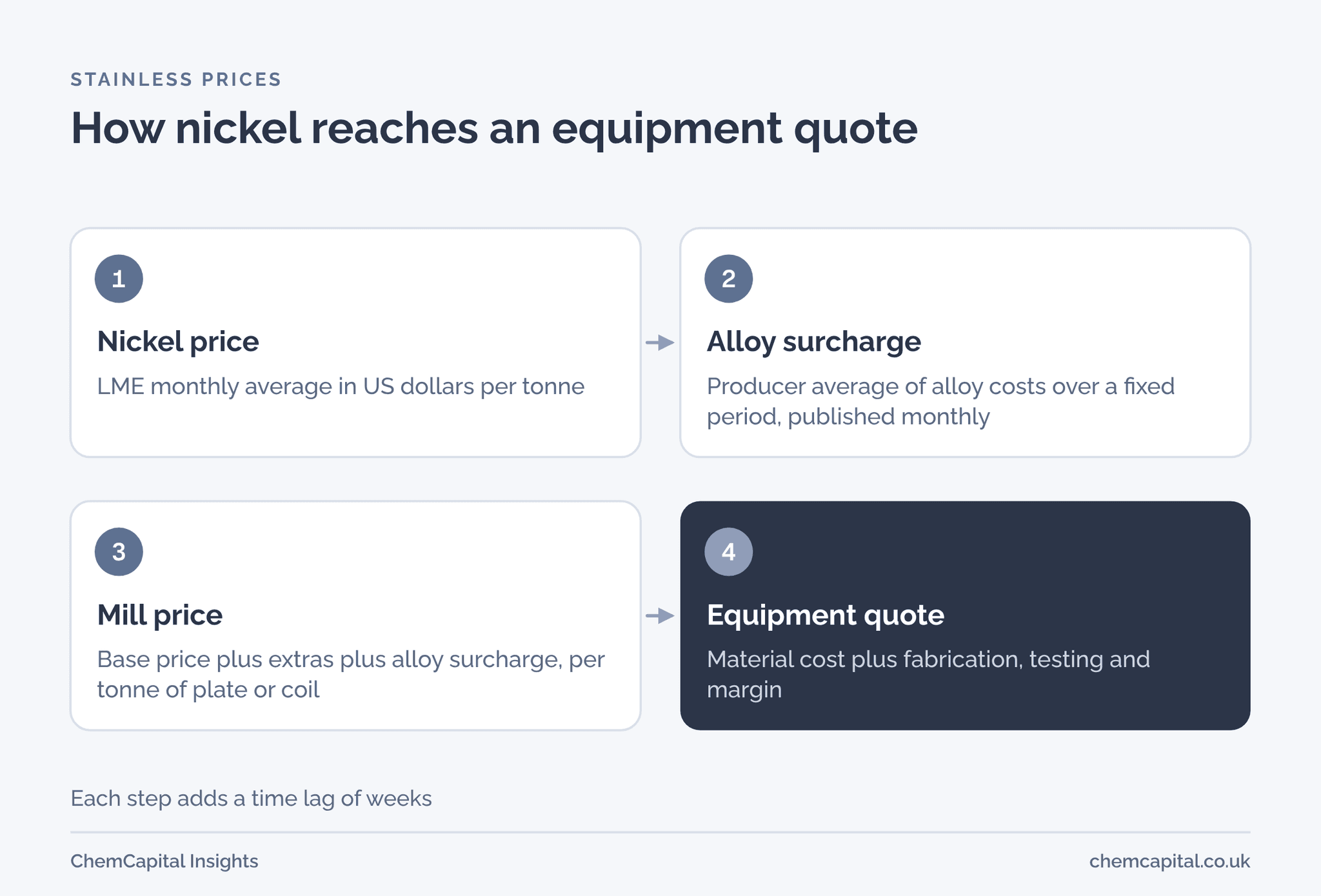
Grade 304 contains roughly 8% nickel, and 316L more nickel plus molybdenum, so 316L surcharges sit well above 304 surcharges, as Aperam's January figures show [5]. Each step adds a lag: the surcharge uses a past averaging period, the fabricator buys plate weeks after quoting, and the equipment is delivered months later. The base price, extras and fabrication costs move too, which is why total stainless prices do not track nickel exactly; SMM reports that European 304 coil prices rose in the third quarter of 2026 even as the surcharge fell [4].
Wider plant costs are moving as well. Chemical Engineering's plant cost index for 2025 averaged 1.6% above 2024 [6]; see our guide to CEPCI and cost escalation.
Why old quotes go stale
A quote prepared in July and accepted in November may have been built on a surcharge that has since moved by several hundred euros a tonne, in either direction. Suppliers protect themselves with short validity periods or surcharge clauses; buyers need to know which they are getting. Our article on price adjustment and escalation clauses covers the formulas.
Practical example
In this illustrative example, a vessel uses 6 tonnes of 316L plate. If the 316L surcharge rises by €400 a tonne between quotation and the fabricator's mill order, the material cost rises by €2,400. That is small for one vessel, but a project with 120 tonnes of stainless across vessels, exchangers and pipework would see €48,000 from the same move. The same arithmetic works in reverse when surcharges fall, which is a reason to ask for the surcharge basis even on fixed price quotes.
How to protect an estimate
- Record the basis. For every stainless quote, note the grade, the tonnage if known, and the surcharge month the supplier assumed.
- Ask for the split. Request the alloy surcharge, or the stainless tonnage, as a separate line.
- Match validity to your approval time. A 30 day quote on a 90 day approval cycle will need repricing.
- Use a clause for long lead items. An agreed surcharge basis can be fairer than a fixed price loaded with contingency.
- Watch the producers' publications. Outokumpu says its European monthly alloy surcharges will be available only to registered customers through its own portal from 1 January 2027 [1], so agree in the order which published figure applies.
Where ChemCapital fits
ChemCapital's Project Costing keeps past supplier quotes in a reusable library and shows what each estimate rests on. Old quotes can be repriced through a deterministic normalisation that adjusts for exchange rates and cost indices such as the CEPCI, among other factors, with every adjustment shown, and the dashboard separates firm quotes from repriced estimates and indicative values, so stale stainless prices are easy to spot.
Ready to see which of your stainless quotes need updating? Start free with ChemCapital.
Frequently asked questions
How do nickel prices affect stainless steel equipment prices?
Stainless steel producers add a monthly alloy surcharge to their base price, calculated from average alloy costs over a fixed period before delivery. When nickel rises or falls, the surcharge for nickel bearing grades such as 304 and 316L follows, and so does the material cost in every stainless vessel, exchanger and skid.
What is the stainless steel alloy surcharge for 304 now?
Outokumpu's surcharge for 304 was €2,188 per tonne for October 2026, down from €2,346 in July, according to market data published in October 2026. Check the producer's current publication before relying on any figure.
How long is a stainless steel equipment quote valid?
Usually only as long as the supplier states, often a few weeks to a few months, because material costs move monthly. Ask suppliers to show the alloy surcharge month and grade they assumed, so you can update the quote later.
Continue reading
Informational only, not procurement or legal advice. Cited names, frameworks, and statistics belong to their respective owners.
Join ChemCapital to streamline sourcing and connect with verified partners
Whether you're buying or supplying, ChemCapital gives you the tools to manage the complete procurement cycle in one platform.
Get started freeRelated articles
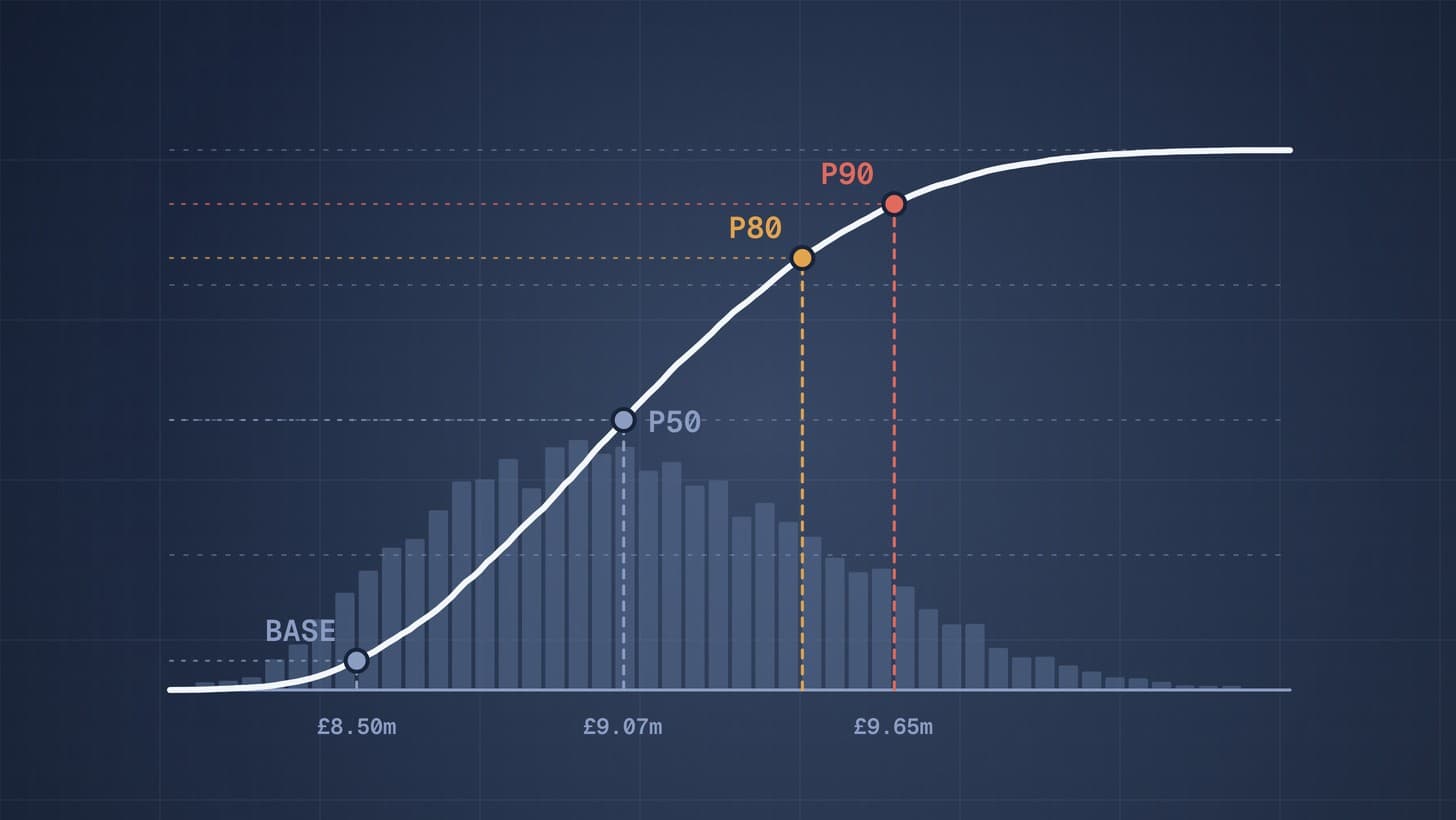
Cost Risk Analysis: P50, P80 and P90 Estimates with a Worked Example
What P50, P80 and P90 mean, how range estimating and Monte Carlo simulation produce them, a worked three item example, and how owners choose a funding level.
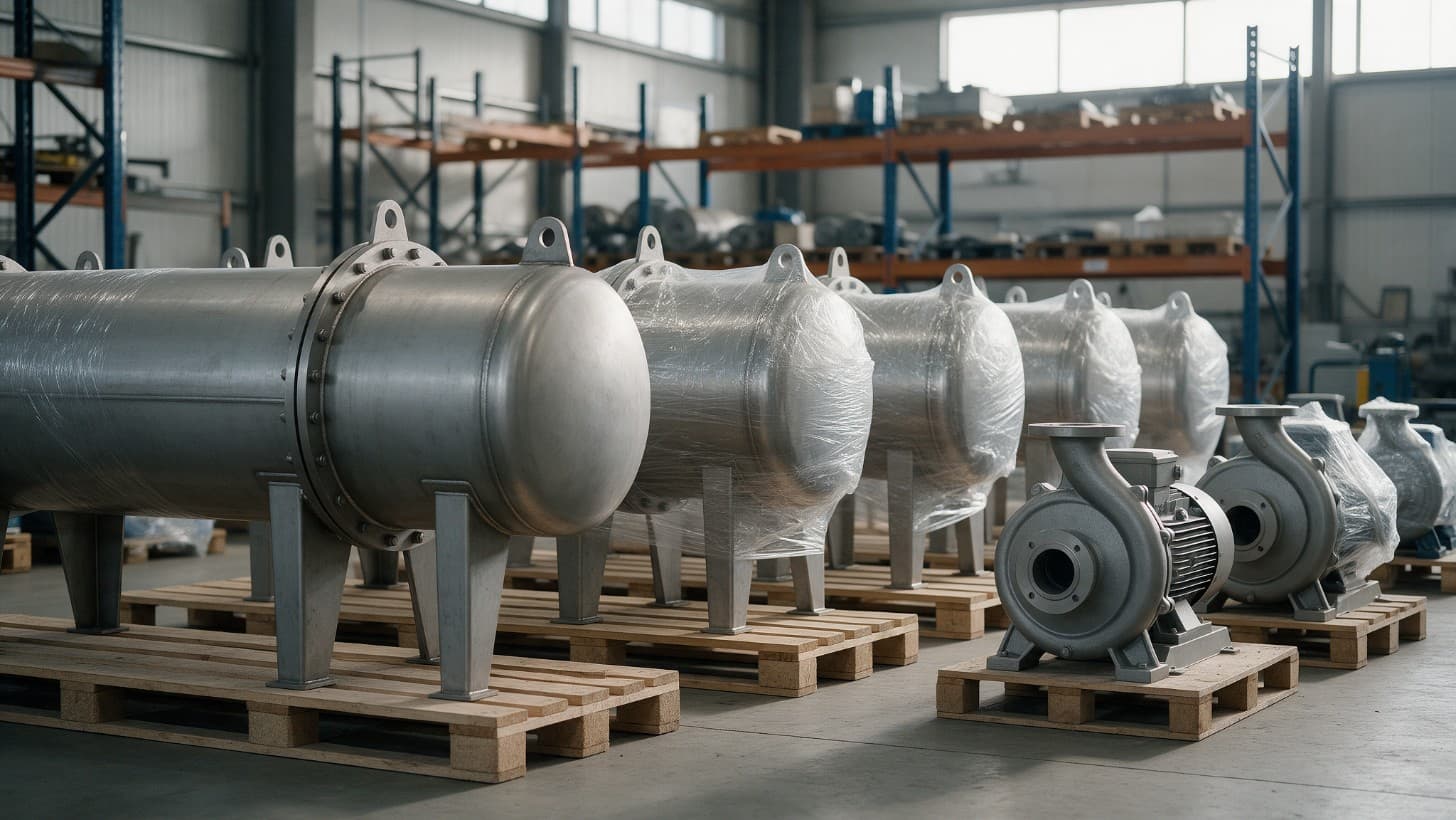
Equipment Cost Estimating: How to Get Budget Prices for Exchangers, Vessels and Pumps
Five ways to get budget prices before firm quotes, how accurate each can be by estimate class, what drives the price of each equipment type, and a worked example.
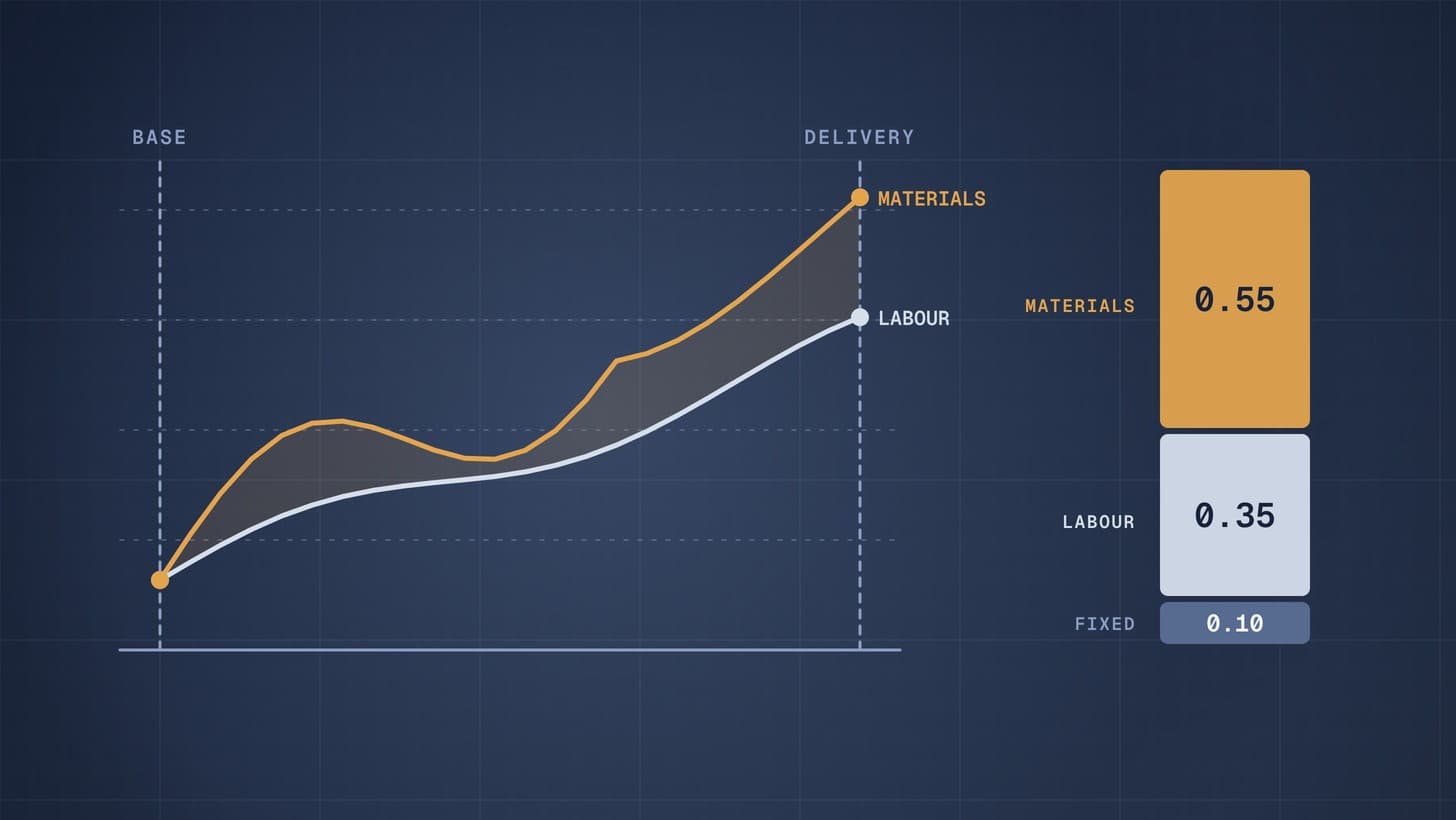
Price Adjustment, Escalation and Currency Clauses in Equipment Quotes
Why long lead equipment quotes carry escalation and alloy surcharge clauses, how the standard index formula works, what to agree, and how to compare a fixed and an adjustable bid.