
How to Follow Up an Equipment Quotation: Timing and 3 Email Templates
When to follow up an engineered equipment quote, three short email templates that help the buyer rather than chase them, and how to read silence during evaluation.
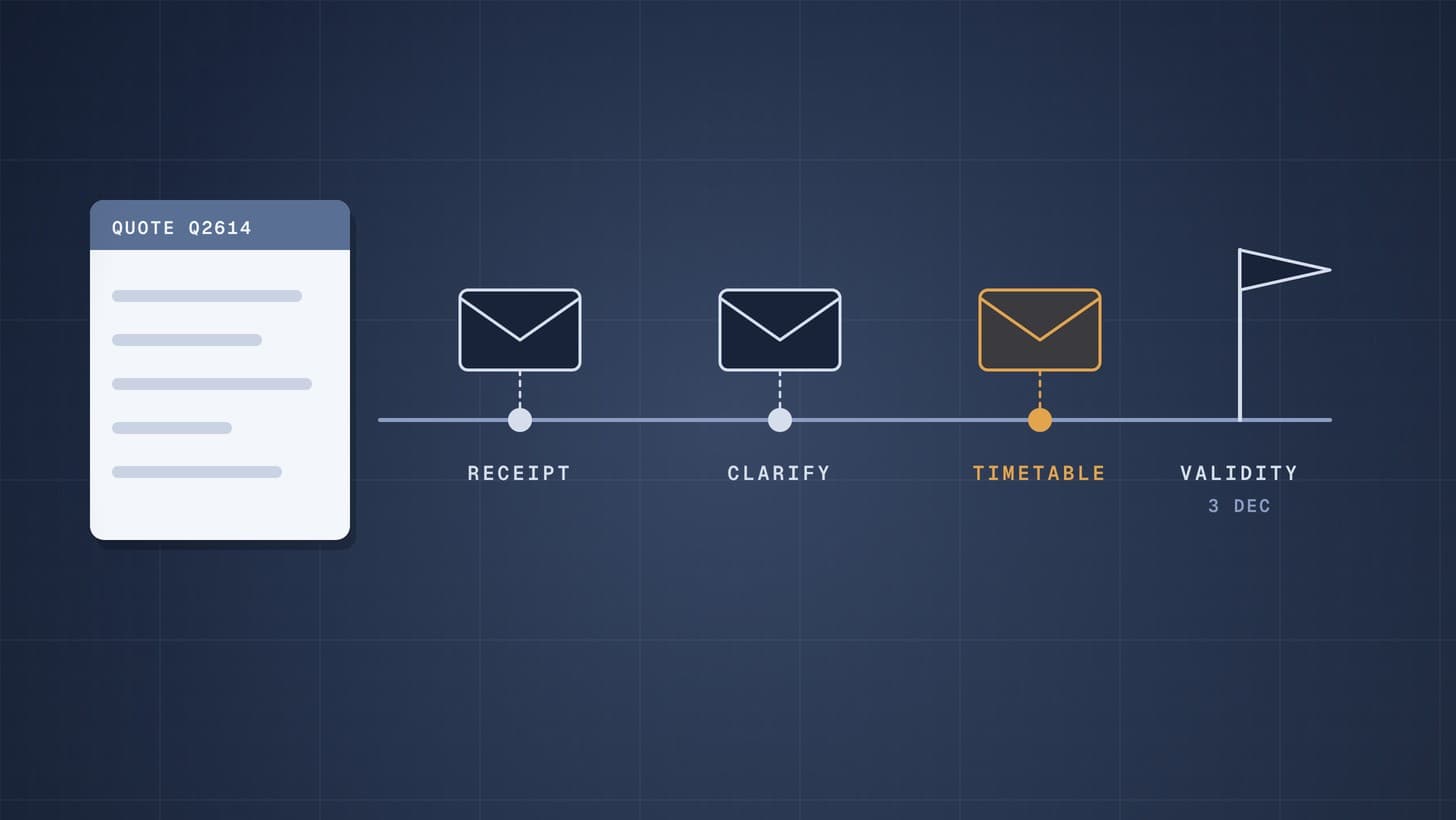
Follow up an engineered equipment quotation three times, each for a reason the buyer values: within two working days to confirm the quote arrived complete, about a week later to offer a technical clarification call, and shortly before your validity date or the buyer's stated decision date to check the timetable. Keep each email short, specific and easy to answer in one line.
Silence after a quote is not, by itself, a no. On engineered equipment it often means your bid is moving through a technical and commercial evaluation that takes weeks. The templates below fit that process instead of fighting it.
Why this matters now
Buyers evaluate engineered equipment in stages, and much of that work happens without contact with bidders. Government guidance on bid evaluation describes the usual pattern: a small team with technical, financial and purchasing expertise scores each bid against the published criteria, not against the other bids. A moderator then reviews the scores and the team agrees a consensus [1]. Private buyers of process equipment work in a similar way, with a technical bid evaluation followed by a commercial one.
Two consequences matter for your follow up. First, the buyer may not be allowed to discuss your bid while it is being scored. Clarification requests go out in writing, and clarification cannot be used to improve a bid [1]. Second, when a clarification does come, answer it quickly and fully; being easy to clarify with is worth more than any chaser.
Access real procurement opportunities from global buyers
Join ChemCapital to get discovered by verified procurement teams across pharmaceutical, chemical, and industrial manufacturing.
Timing: when to follow up
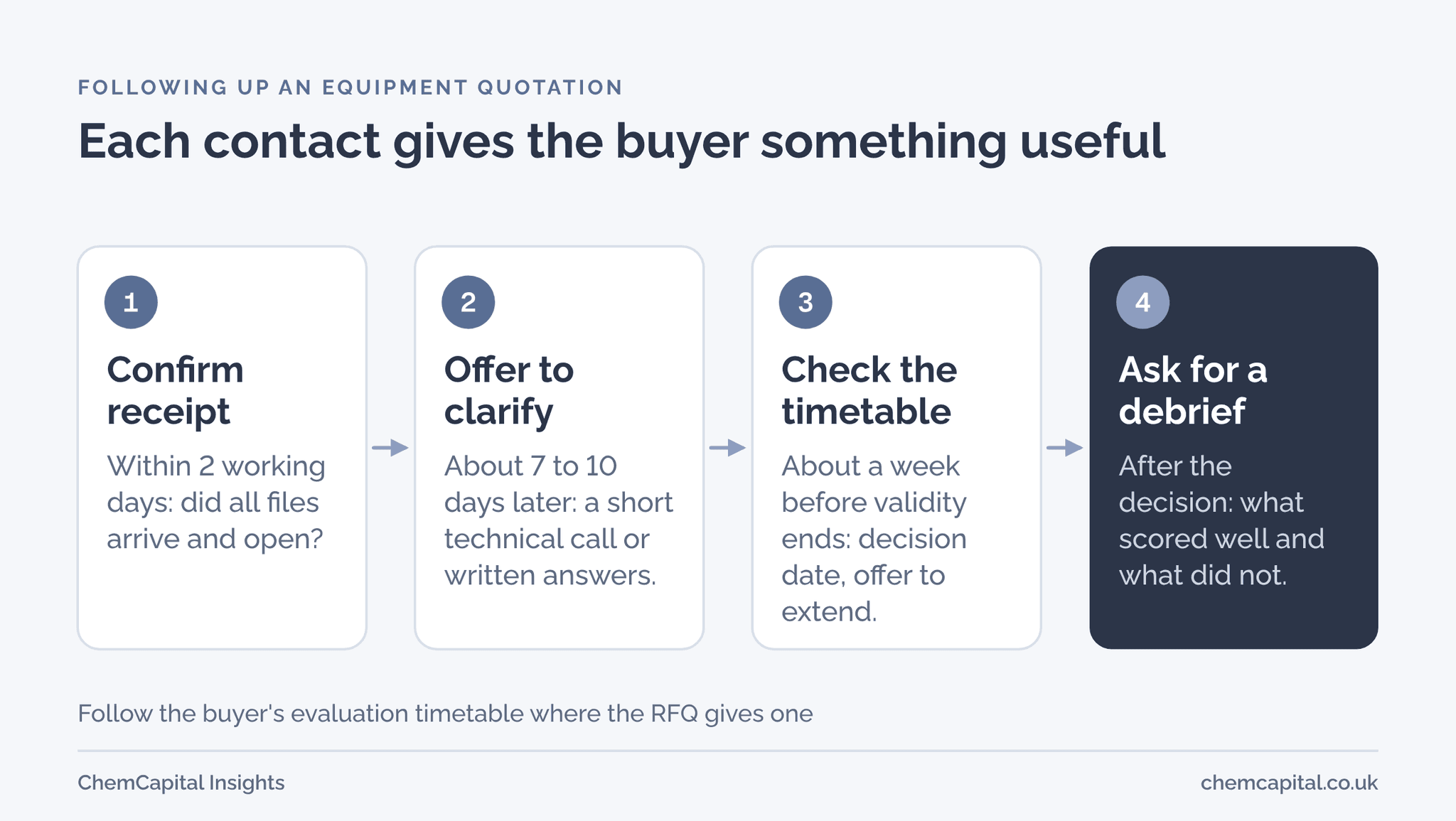
| When | Purpose | What not to do |
|---|---|---|
| Within 2 working days of submission | Confirm receipt and completeness | Ask for feedback |
| About 7 to 10 days later | Offer a technical clarification call | Discount or reprice |
| About 1 week before validity expires, or before the stated decision date | Check the timetable; offer to extend validity | Pressure for a decision |
| After the award decision | Ask for a debrief if unsuccessful | Argue the result |
The intervals are a starting point. If the RFQ gives an evaluation timetable, follow that instead.
Template 1: confirm receipt
Subject: Quotation Q2614 for RFQ 4471, receipt and contents
Dear Ms Patel,
We submitted our quotation Q2614 for the two duty and standby transfer pumps on 3 November. It contains the priced offer, completed datasheets, the deviation list and the drawing schedule, eight files in total.
Could you confirm that all eight arrived and open correctly? I am the contact for any technical or commercial questions.
Kind regards, [Name, role, direct line]
Why it works: it is answerable in one word, it lists what the buyer should have, and it names you as the single contact.
Template 2: offer a clarification
Subject: Q2614, offer of a short technical call
Dear Ms Patel,
In case it helps your technical review, our engineer can take your team through the pump selection, the seal plan and the two deviations listed in section 6 in a 20 minute call.
If you prefer written questions, we will answer within one working day.
Kind regards, [Name]
Why it works: it offers help with the step the buyer is actually on, points to the parts most likely to raise questions, and does not ask for anything. If you use our technical query template logic in reverse, you can anticipate the questions before they arrive.
Template 3: check the timetable
Subject: Q2614, validity and decision timetable
Dear Ms Patel,
Our quotation is valid until 3 December. Could you let me know your expected decision date?
If your evaluation will run beyond that, we are happy to extend validity to 31 January at the quoted price and delivery. Please tell me if that would help.
Kind regards, [Name]
Why it works: it gives the buyer a reason to reply and a practical offer. Validity matters: once it lapses, your price and delivery are no longer firm. See budgetary quote vs firm quote on why buyers care.
Reading silence correctly
During evaluation, silence is normal. Scoring, moderation and approvals take time, and evaluators score each bid against the criteria rather than against each other [1].
A price query is not a rejection. If a price looks abnormally low, a public buyer must investigate it and give you a reasonable opportunity to show you can deliver at that price [2]. Answer fully and with evidence.
Public contracts have a defined end. Under the Procurement Act 2023, each supplier whose tender was assessed at the final stage receives an assessment summary with its scores and reasons, and, if unsuccessful, the winning tender's scores [3]. The summaries go out before the contract award notice is published [4]. Publication starts a standstill of eight working days, and the authority cannot enter the contract until it ends [5].
This is general information, not legal advice; check the current text before you rely on it.
Buyers who compare bids in ChemCapital's AI quotation comparison see price, delivery and exclusions side by side, so a complete, clearly laid out quote does a lot of the follow up work for you.
Practical example
Illustrative. A supplier submits a quote for two pumps on 3 November with 30 days' validity. It sends Template 1 on 5 November and gets a one line confirmation. Template 2 on 12 November leads to two written questions about the seal plan, answered the next day. Template 3 on 26 November brings a reply that the decision is expected mid December, and the supplier extends validity to 31 January. The order arrives on 14 December. No chaser asked "any update?", and every contact gave the buyer something useful.
Where ChemCapital fits
Good follow up is part of how suppliers win; our guide on how suppliers win industrial contracts covers the rest of the process.
Ready to be in front of buyers when they send the RFQ, not after? List your company on ChemCapital. It is free to start.
Frequently asked questions
How long should you wait to follow up on a quotation?
For engineered equipment, confirm receipt within two working days, offer a clarification call about a week later, and check the timetable shortly before your validity date or the buyer's decision date. If the RFQ gives an evaluation timetable, follow that.
What should a quote follow up email say?
One clear purpose per email: confirm the quote arrived complete, offer to clarify the technical points most likely to raise questions, or check the decision date and offer to extend validity. Keep it short and easy to answer in one line.
Why has a buyer not replied to my quotation?
Usually because the bid is in evaluation. Teams score bids against the published criteria, moderate the scores and seek approvals, which takes weeks on engineered equipment. During that time buyers may only communicate through written clarifications.
When do unsuccessful bidders find out in UK public procurement?
Under the Procurement Act 2023, suppliers whose tenders were assessed at the final stage receive an assessment summary before the contract award notice is published. Publication starts a standstill period of eight working days before the contract can be entered into.
Continue reading
Informational only, not procurement or legal advice. Cited names, frameworks, and statistics belong to their respective owners.
Access real procurement opportunities from global buyers
Join ChemCapital to get discovered by verified procurement teams across pharmaceutical, chemical, and industrial manufacturing.
List your companyRelated articles
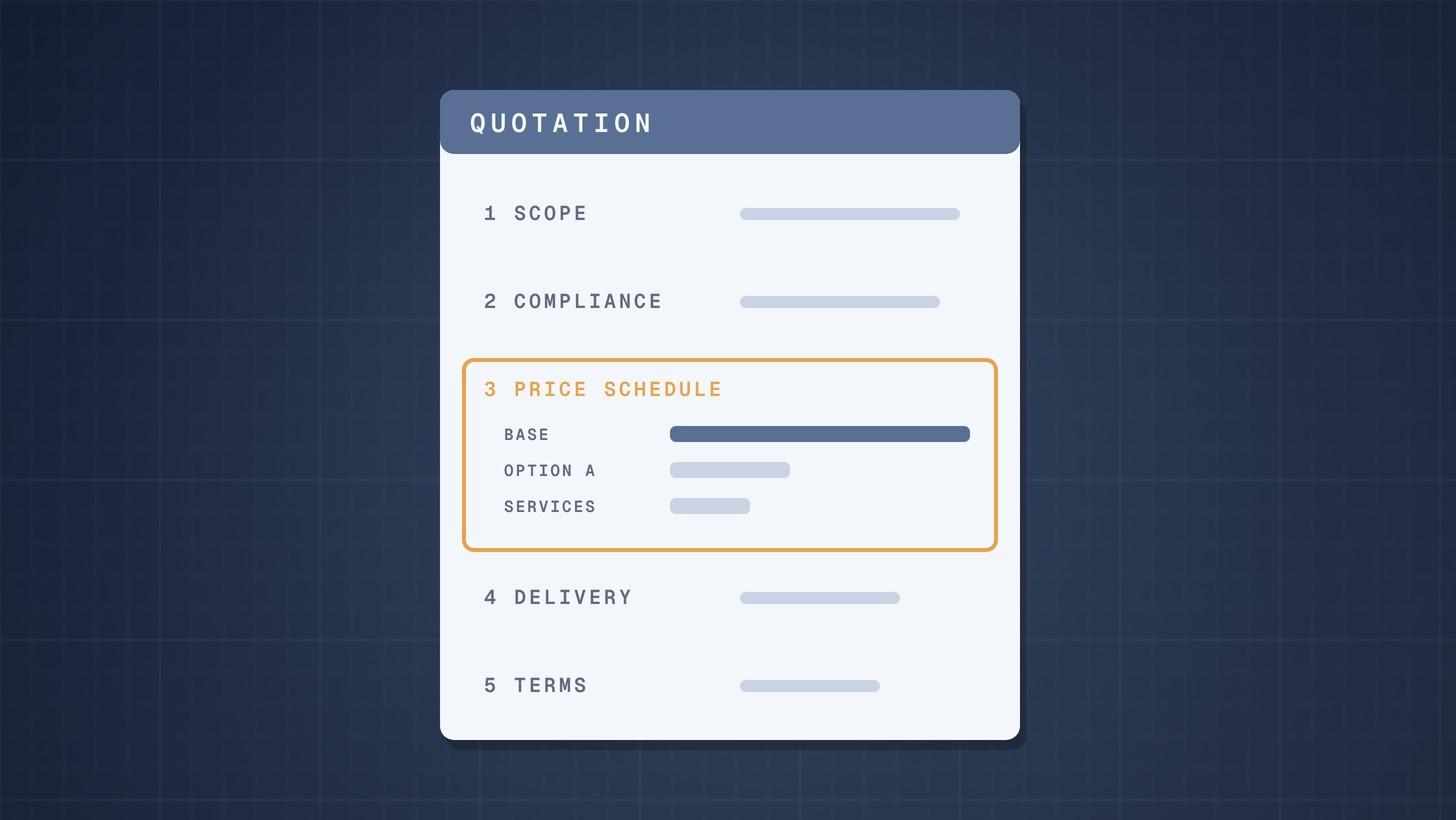
Equipment Quotation Template: A Proposal Buyers Can Compare
A ten section quotation template for engineered equipment suppliers: cover letter, scope and battery limits, compliance and deviations, price schedule, delivery, commercial terms, exclusions and documents.
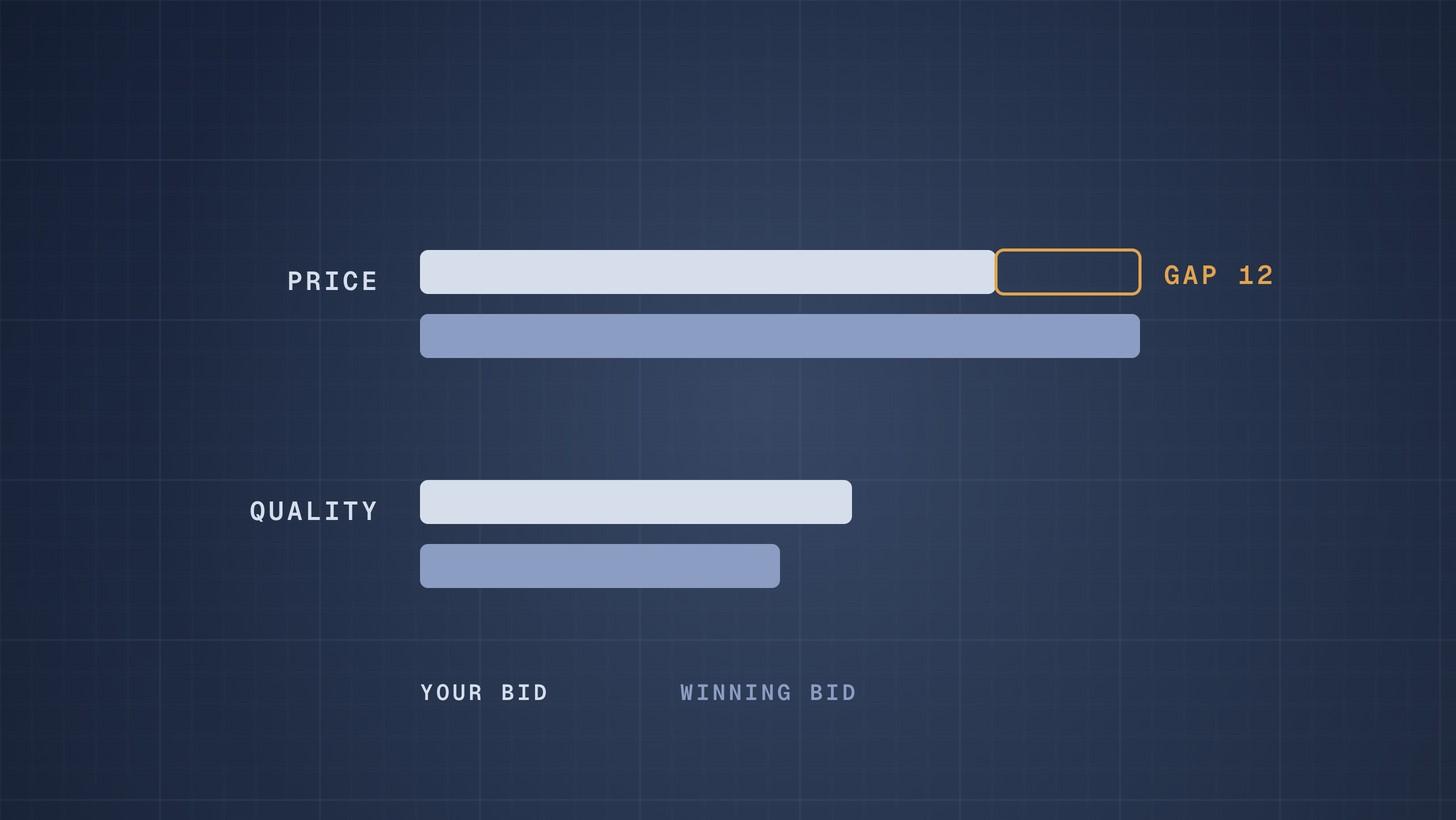
How to Ask for Feedback on a Lost Equipment Tender (With Email Template)
How equipment suppliers should ask for a debrief after losing a bid: when to ask, what to ask, what buyers can and cannot share, and how to use the answers. Includes a short email template.
Bid or No Bid? A Scorecard for Engineered Equipment RFQs
A simple bid or no bid scorecard for equipment suppliers: the gates to check first, seven weighted criteria, a worked example and a template you can copy.