
43 articles
RFQ & Tendering
Articles on rfq & tendering for industrial procurement teams.
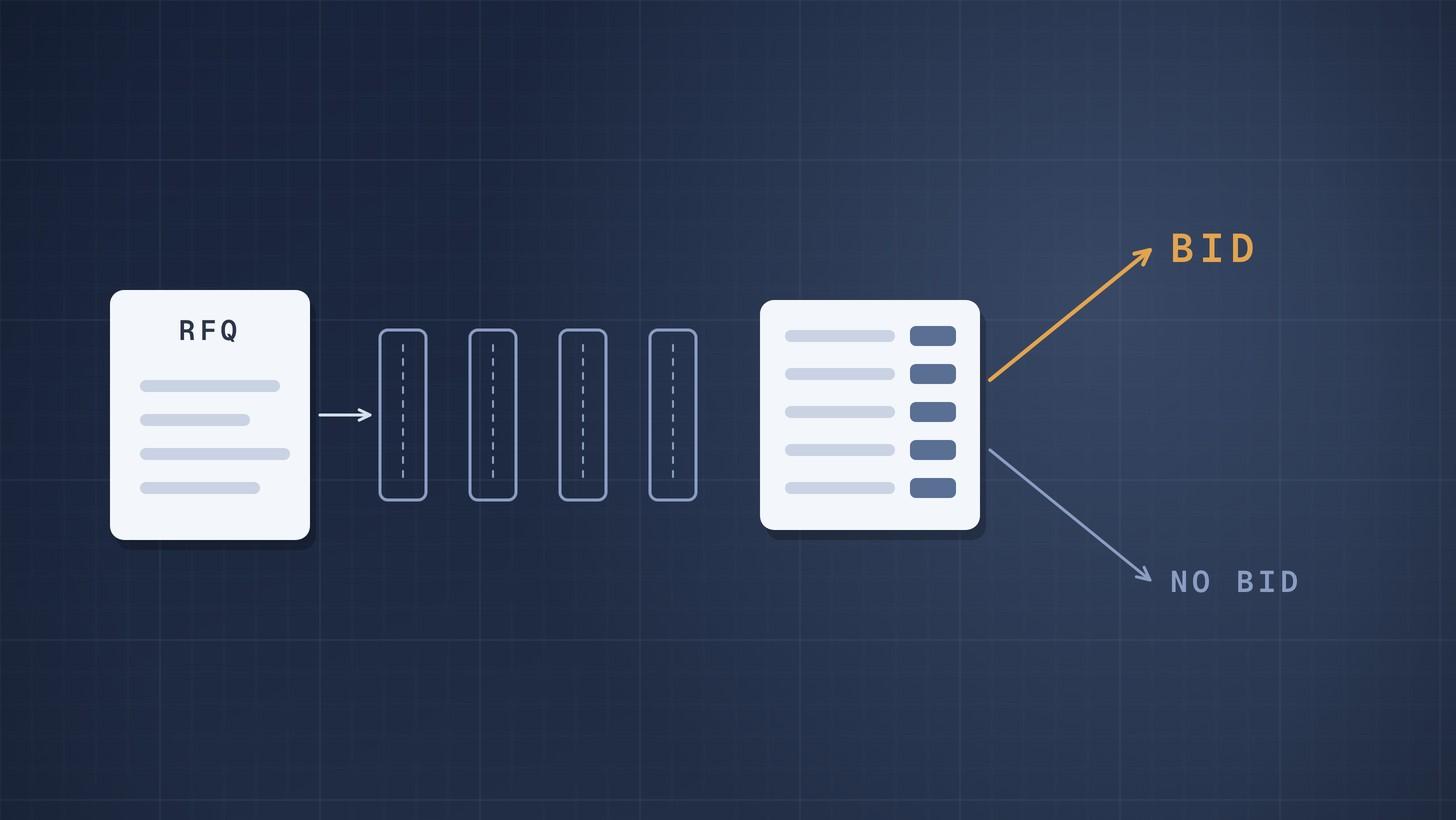
Bid or No Bid? A Scorecard for Engineered Equipment RFQs
A simple bid or no bid scorecard for equipment suppliers: the gates to check first, seven weighted criteria, a worked example and a template you can copy.
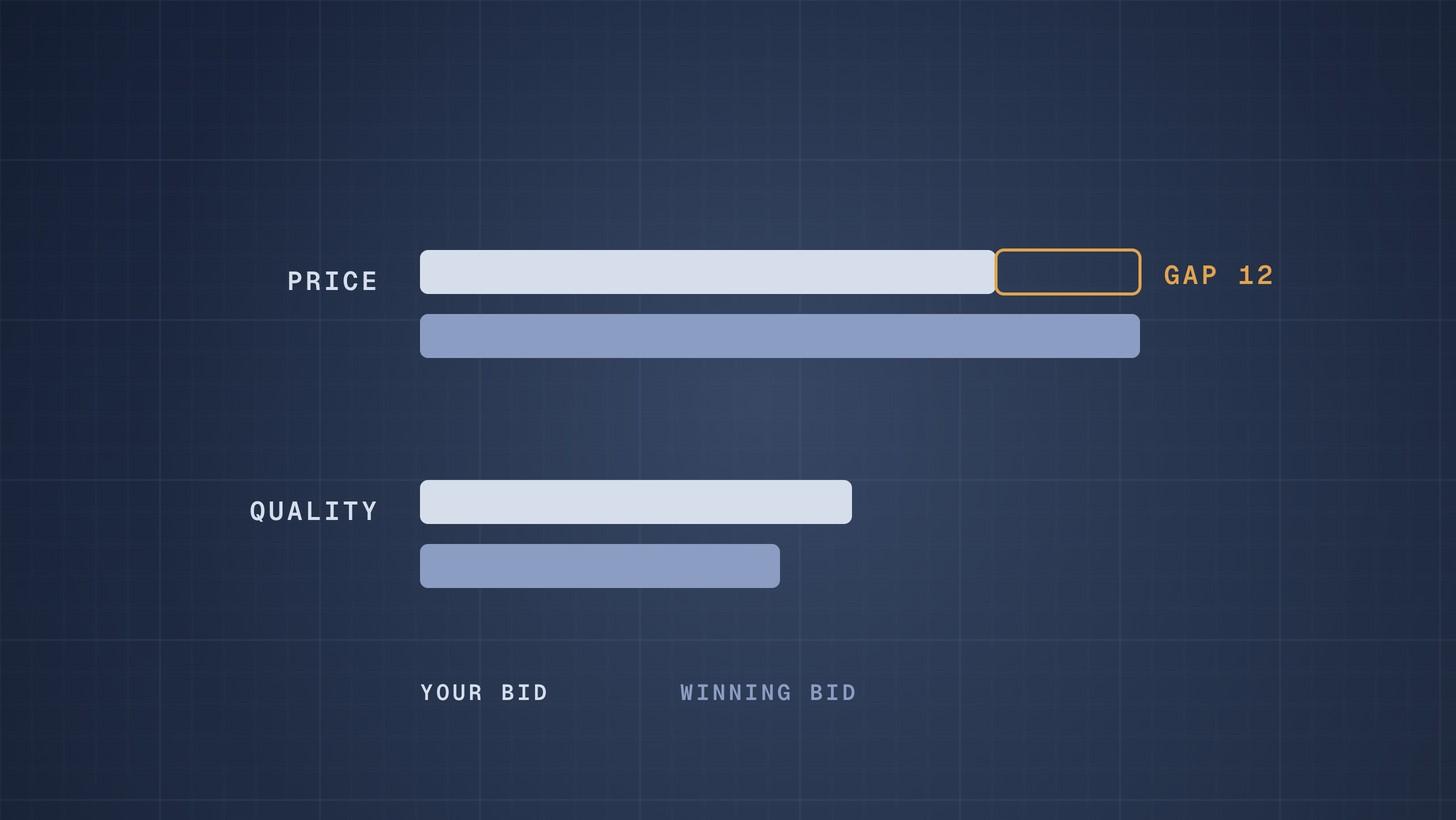
How to Ask for Feedback on a Lost Equipment Tender (With Email Template)
How equipment suppliers should ask for a debrief after losing a bid: when to ask, what to ask, what buyers can and cannot share, and how to use the answers. Includes a short email template.
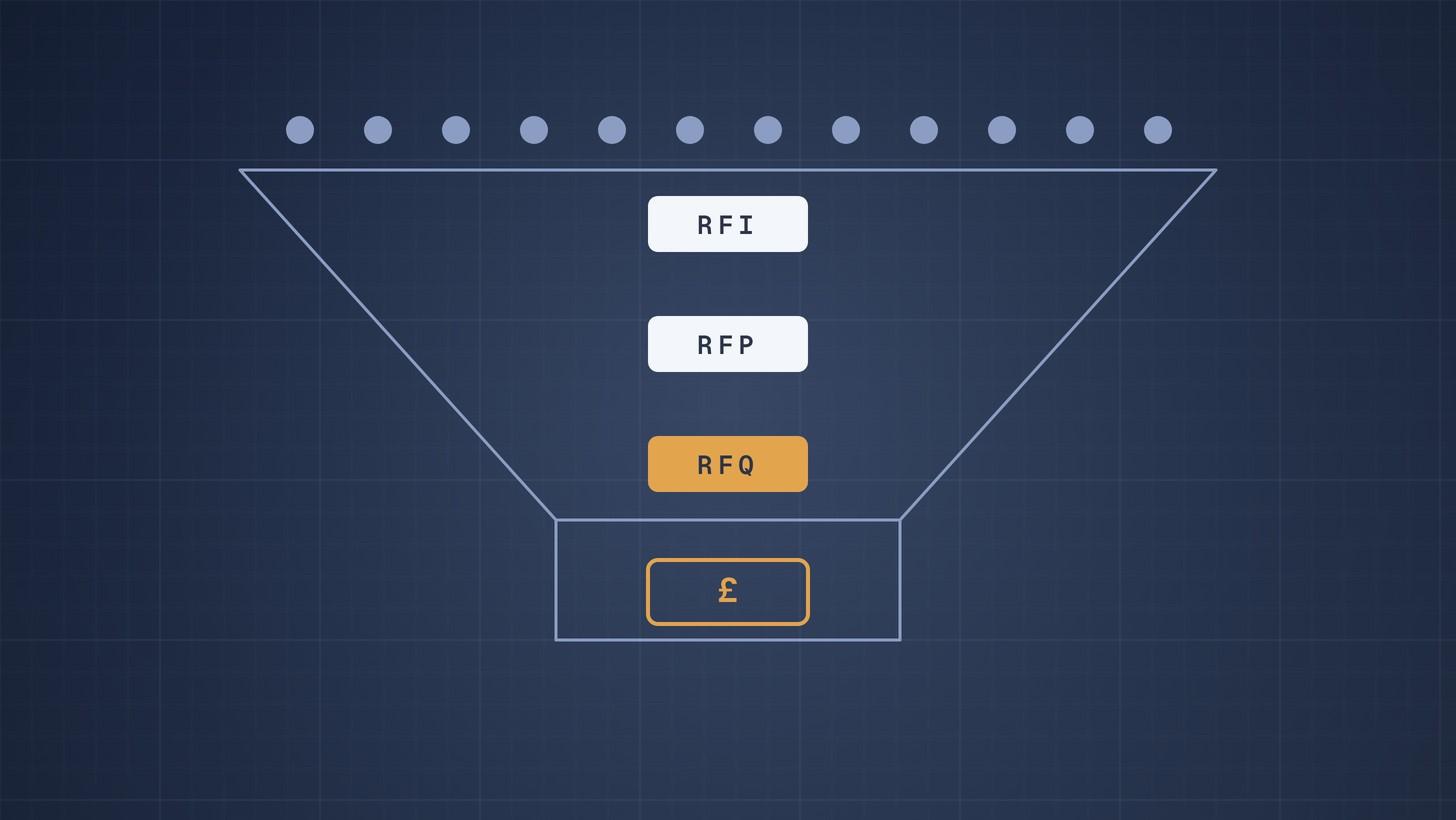
RFQ vs RFP vs RFI: Which to Send for Engineered Equipment
RFI, RFP or RFQ? When each fits an engineered equipment purchase, what each must contain, how they are evaluated, and how to use them in sequence, with a worked example.
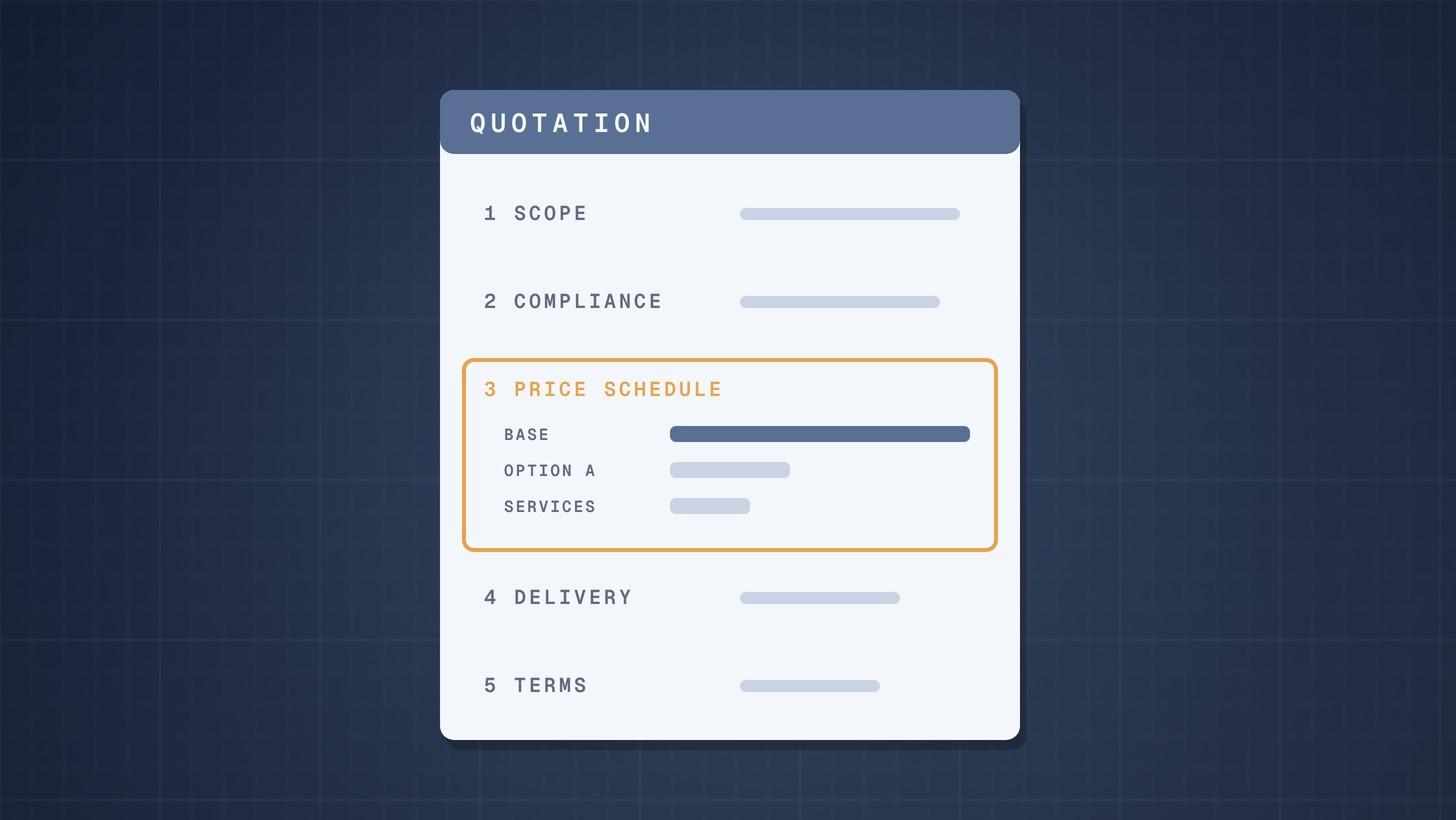
Equipment Quotation Template: A Proposal Buyers Can Compare
A ten section quotation template for engineered equipment suppliers: cover letter, scope and battery limits, compliance and deviations, price schedule, delivery, commercial terms, exclusions and documents.
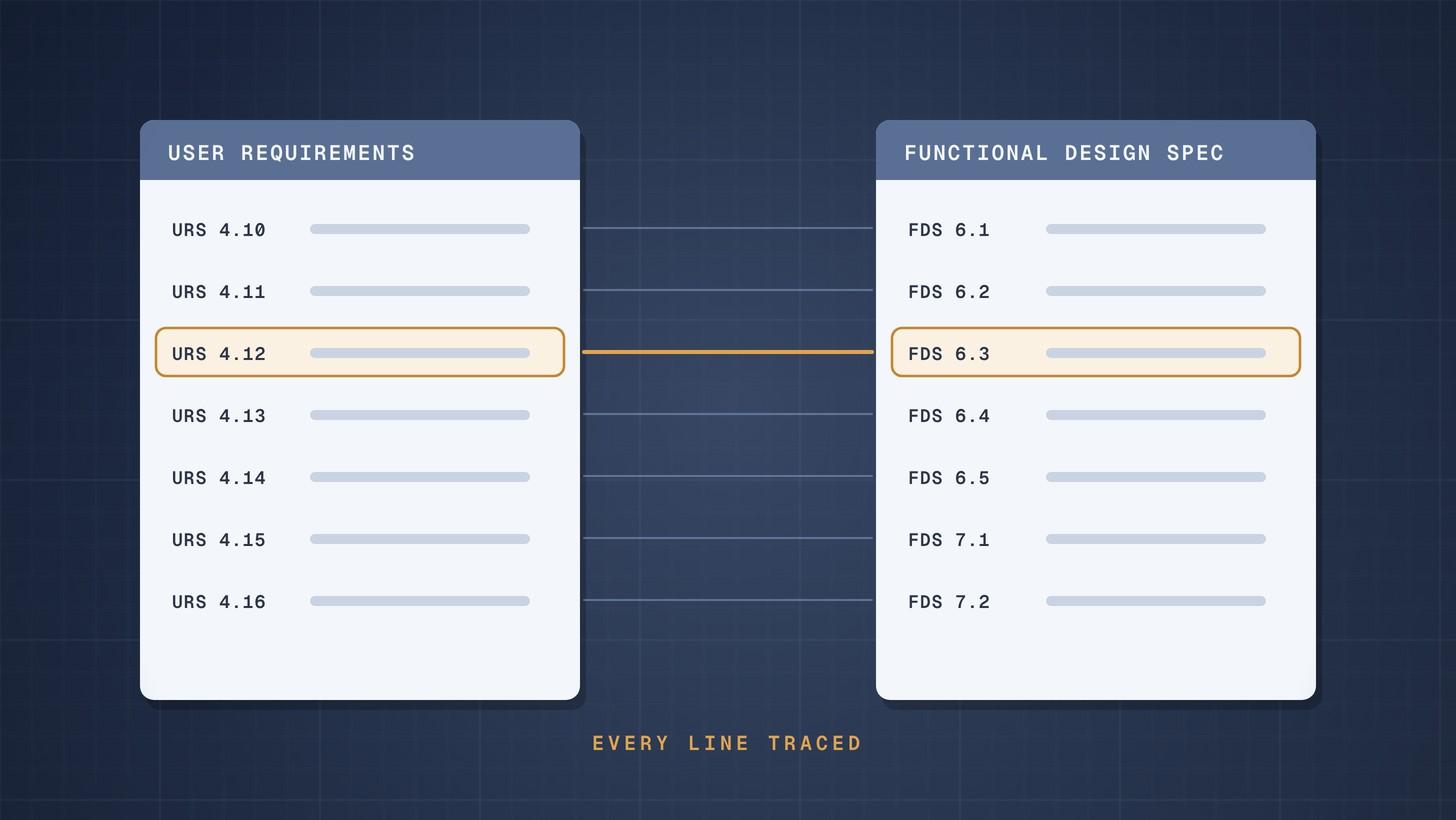
Functional Design Specification for a Skid: Answering the Buyer's URS
The FDS is where a pharma buyer decides whether you understood their URS. Here is the structure that answers it clause by clause, with a template outline and a traceability example.
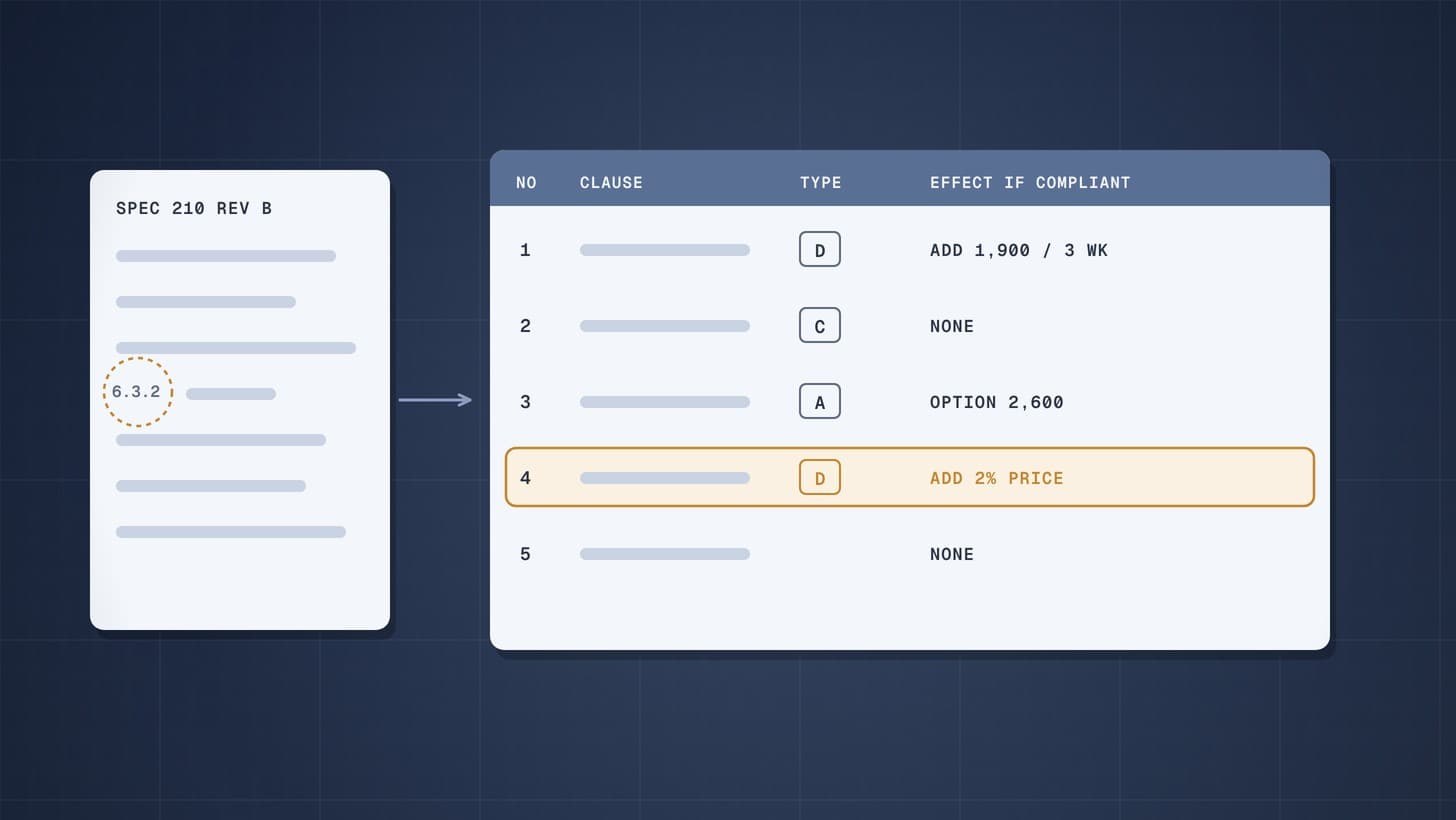
Deviation List for Equipment Bids: How to Write One Buyers Respect
How to write a deviation and clarification list for an engineered equipment bid: classify each item, cite the clause, give the reason and the cost or schedule effect, with a template.
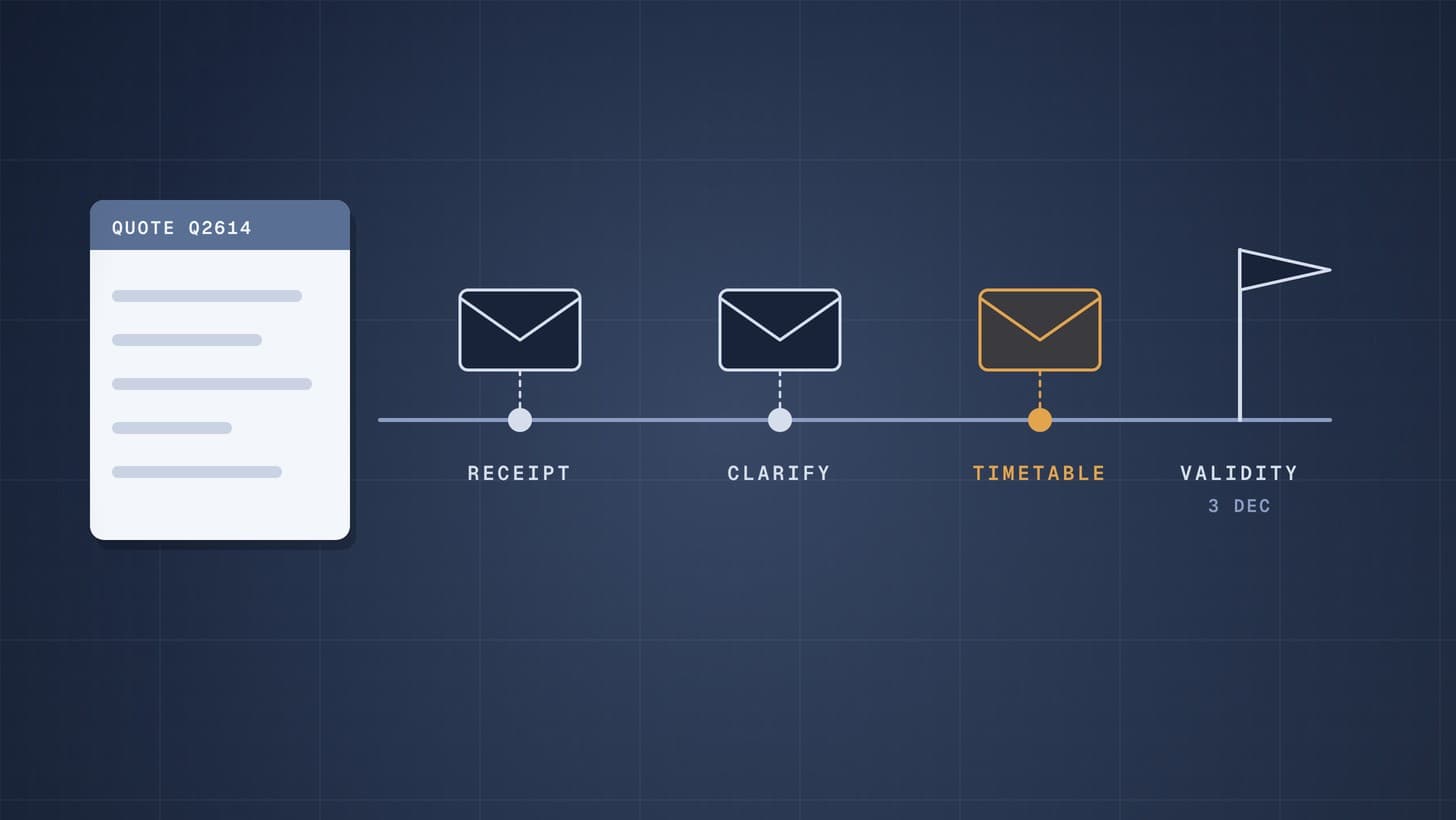
How to Follow Up an Equipment Quotation: Timing and 3 Email Templates
When to follow up an engineered equipment quote, three short email templates that help the buyer rather than chase them, and how to read silence during evaluation.
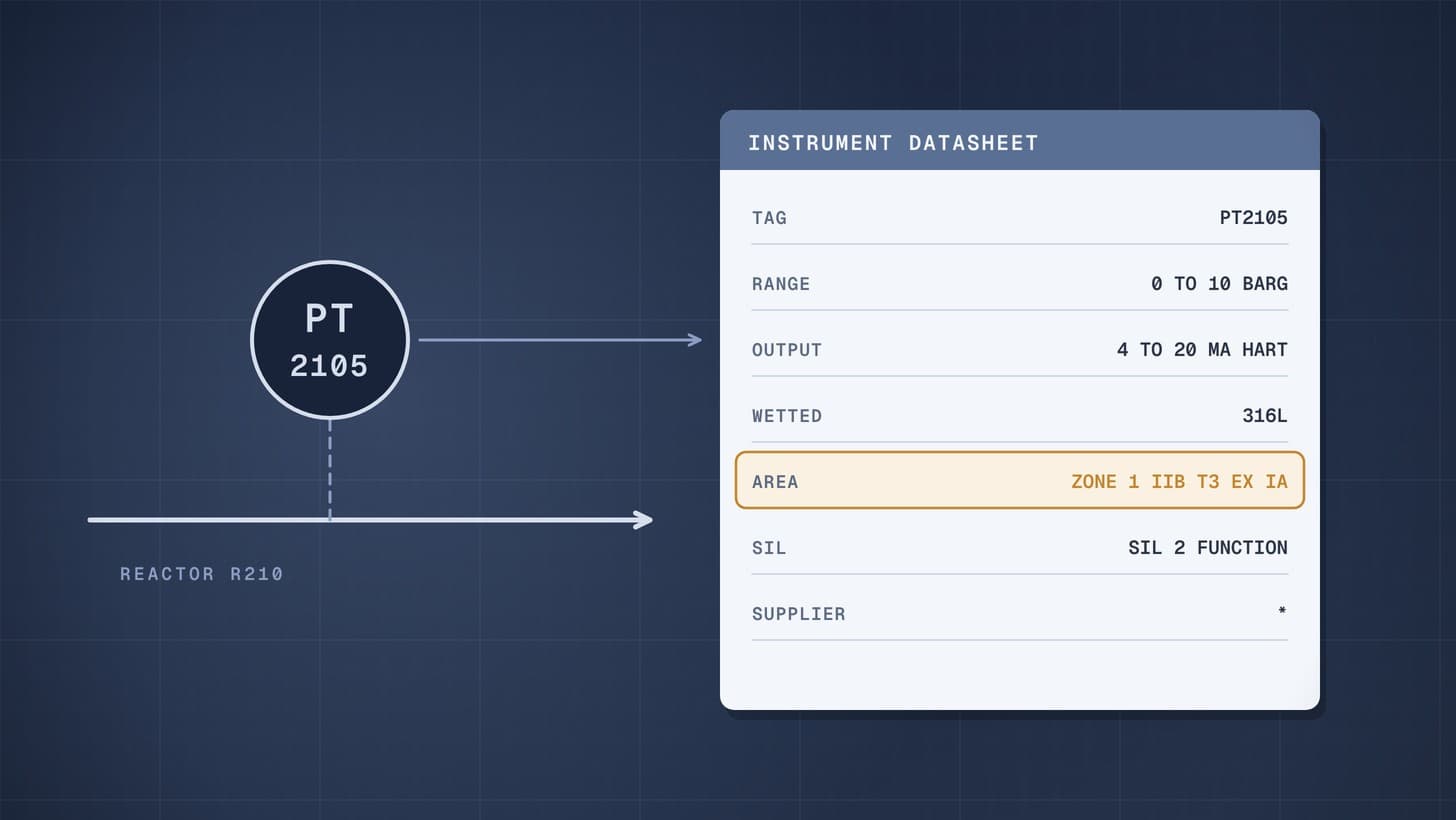
Instrument Datasheet for RFQs: What Each Field Means (Free Template)
A field by field guide to the instrument datasheet behind every RFQ line, using a pressure transmitter, with a free template and a worked example of comparing accuracy.
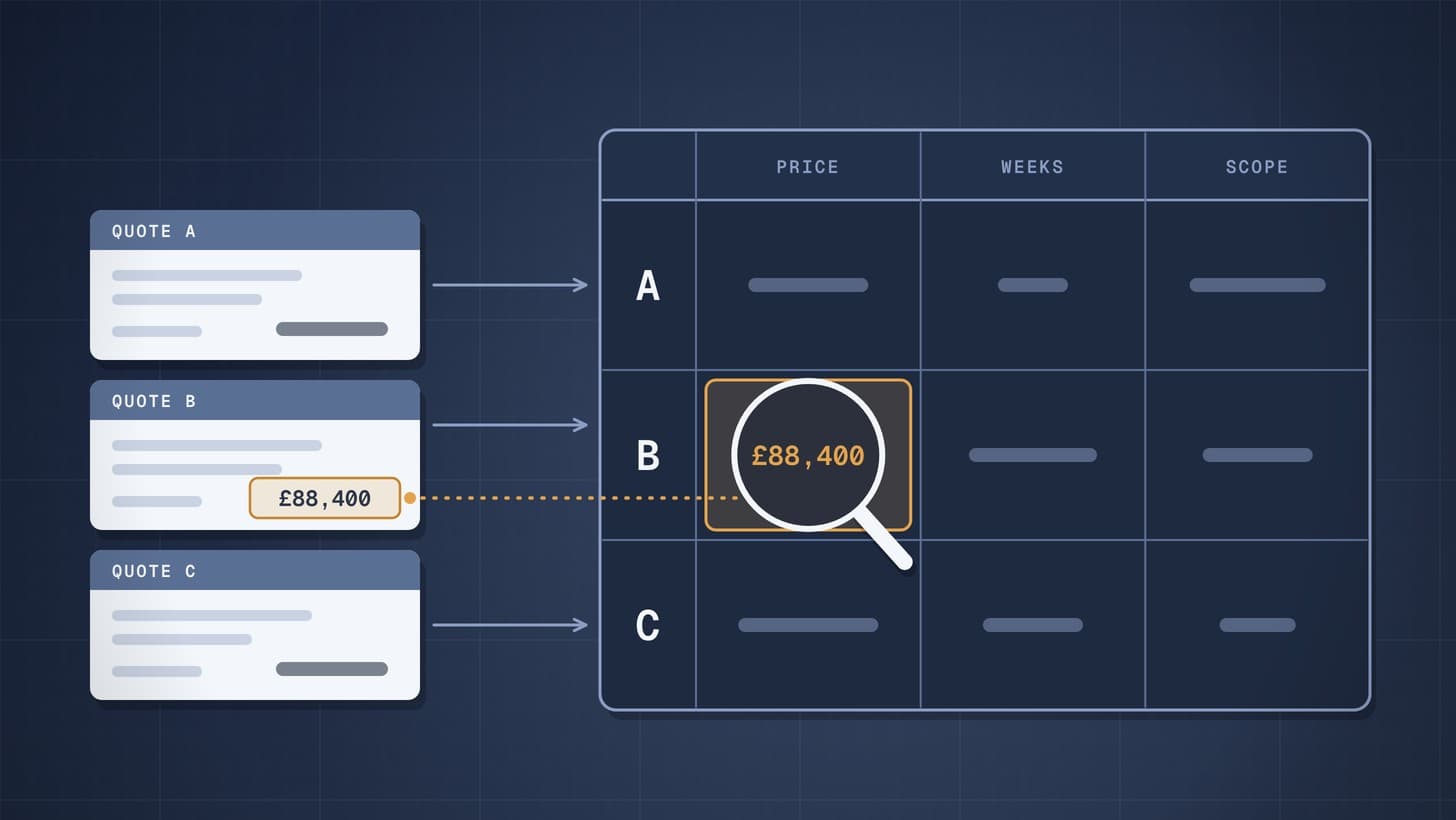
AI Quote Comparison: What It Reads, What It Misses and How to Check It
How AI tools read and score supplier quotes, the eight places they go wrong on engineered equipment, and the five checks to run before you trust the table.
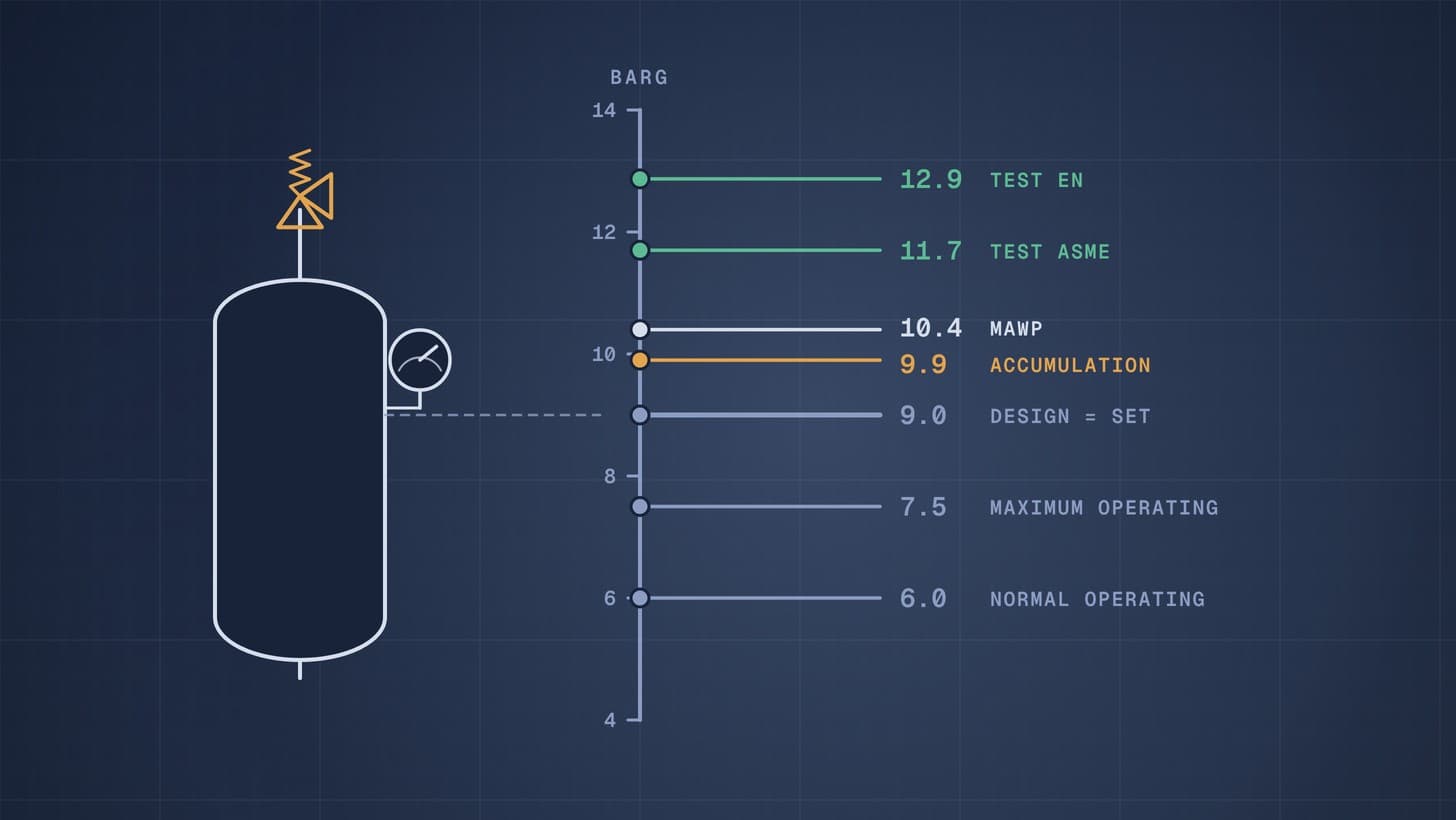
Design Pressure, MAWP and Operating Pressure in a Vessel RFQ
The difference between operating pressure, design pressure, MAWP and PS, how much margin to add, how relief valves and hydrostatic tests follow from them, and what to put on the vessel datasheet.
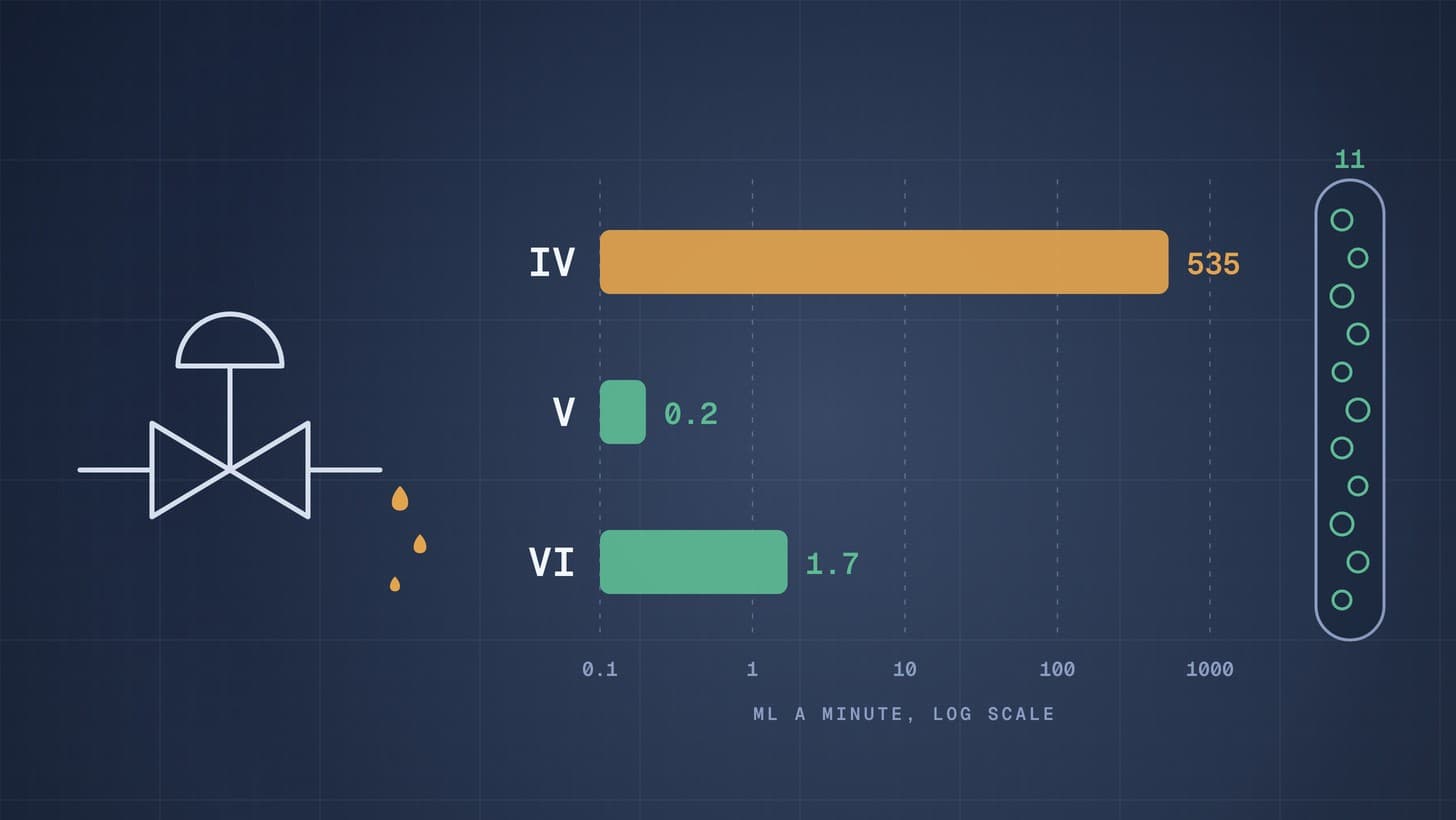
Valve Seat Leakage Classes Explained: FCI 70 2, API 598 and ISO 5208
What control valve leakage classes II to VI allow, how API 598 and ISO 5208 rate isolation valves, and how to specify shut off in an RFQ so bidders quote the same tightness.
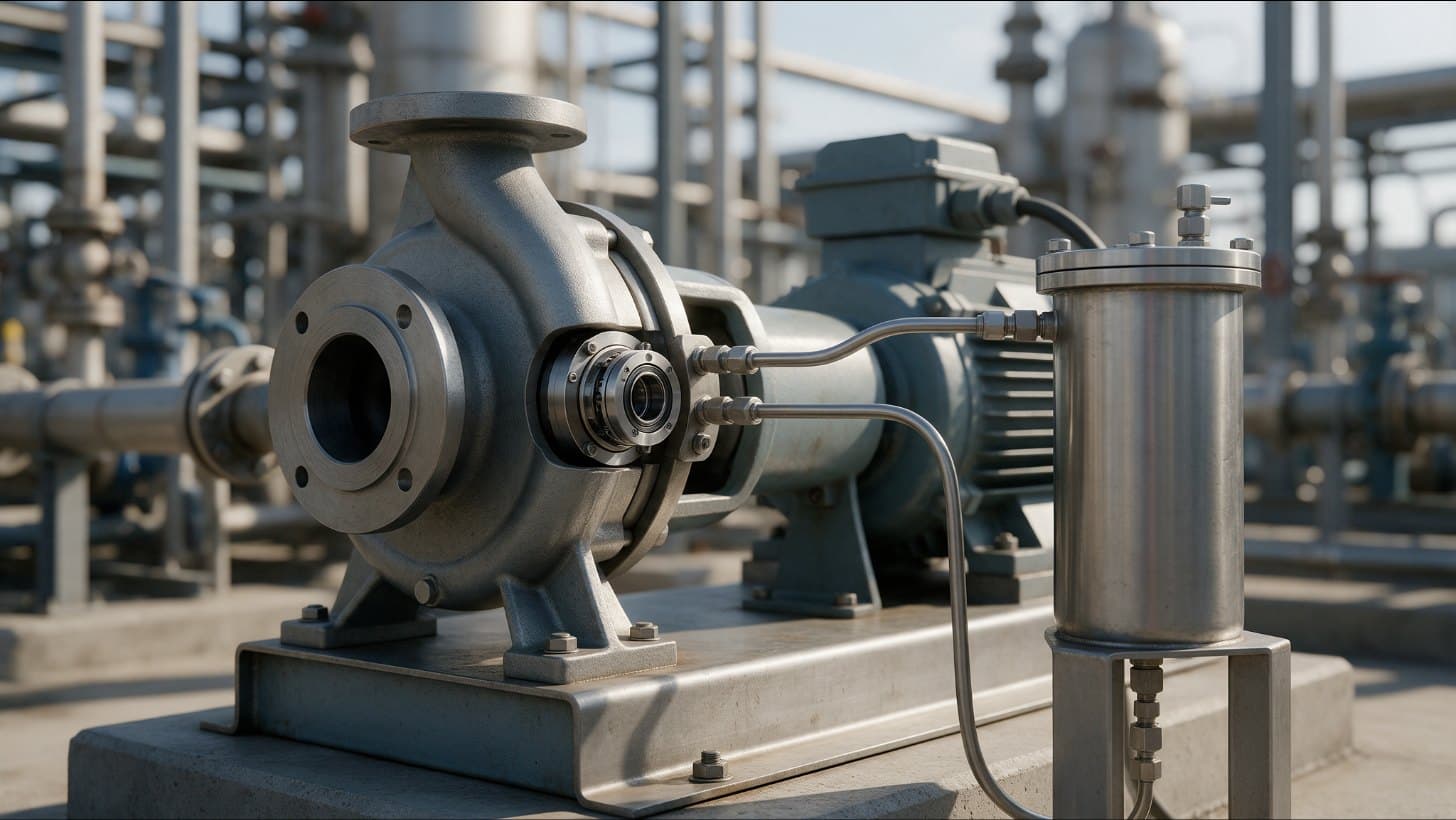
Mechanical Seal Plans and API 682: A Pump Buyer's Guide
How API 682 classifies pump seals by category, arrangement and type, what the common piping plans such as 11, 23, 52, 53A and 53B do, and what to specify so seal bids can be compared.
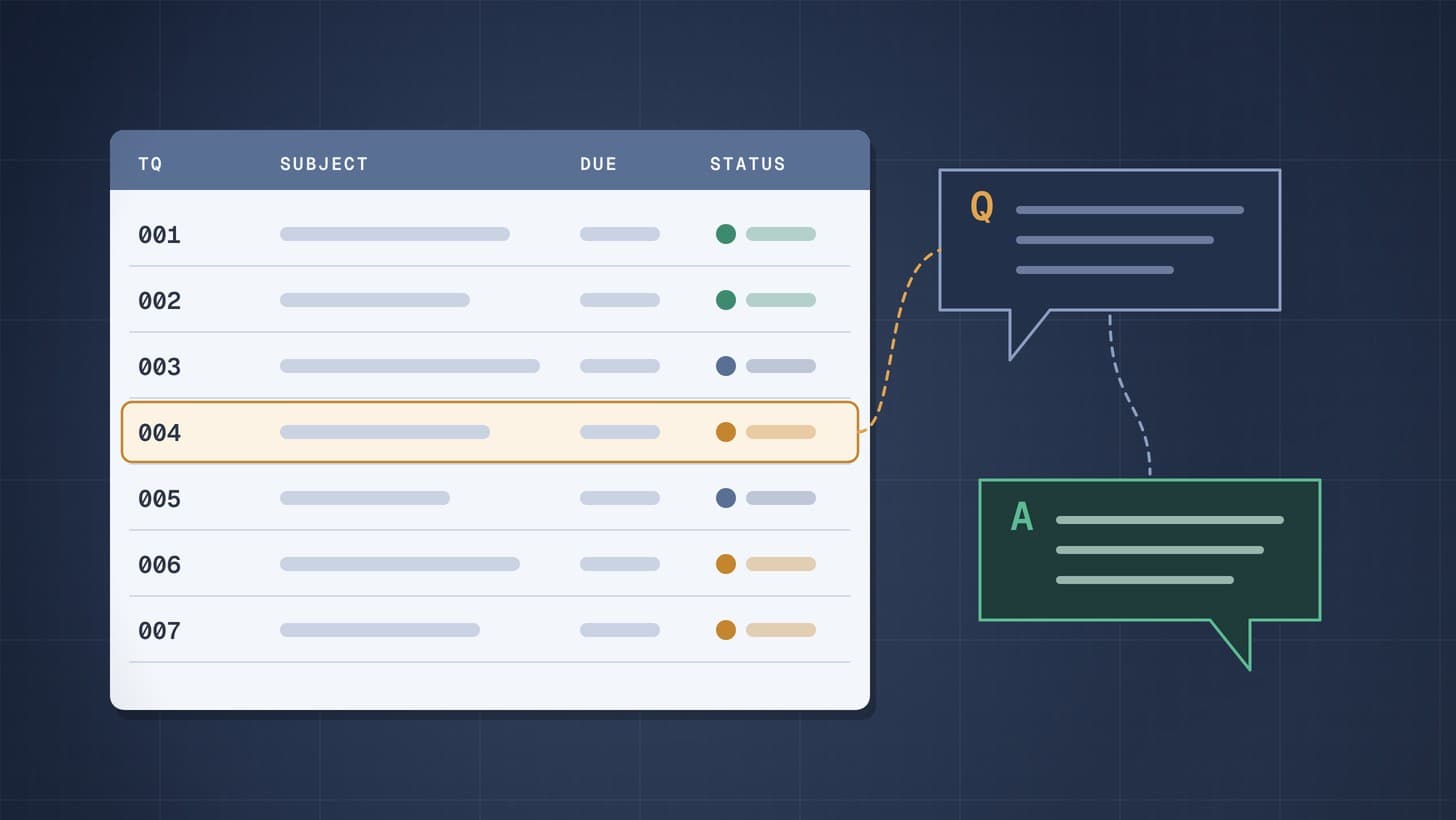
Technical Query (TQ) Template: Raising and Closing Questions with Bidders
What a technical query is, when to raise one instead of a clarification or deviation, what a good TQ contains, and a register template you can use today.
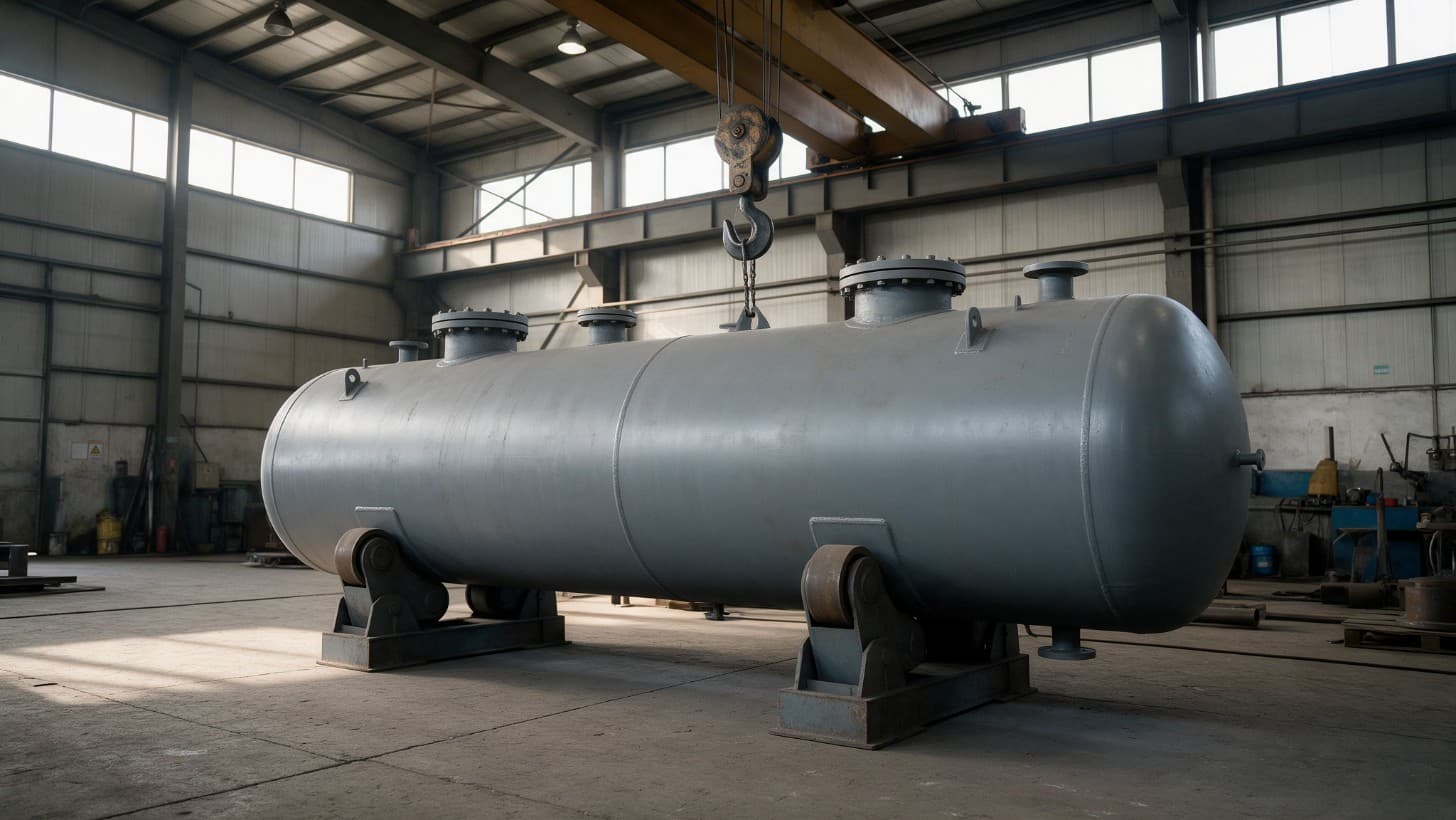
Pressure Vessel and Process Datasheets for Quotations
The difference between a process and a mechanical datasheet for vessels, the fields a fabricator needs to quote, and the omissions that cause requotes.
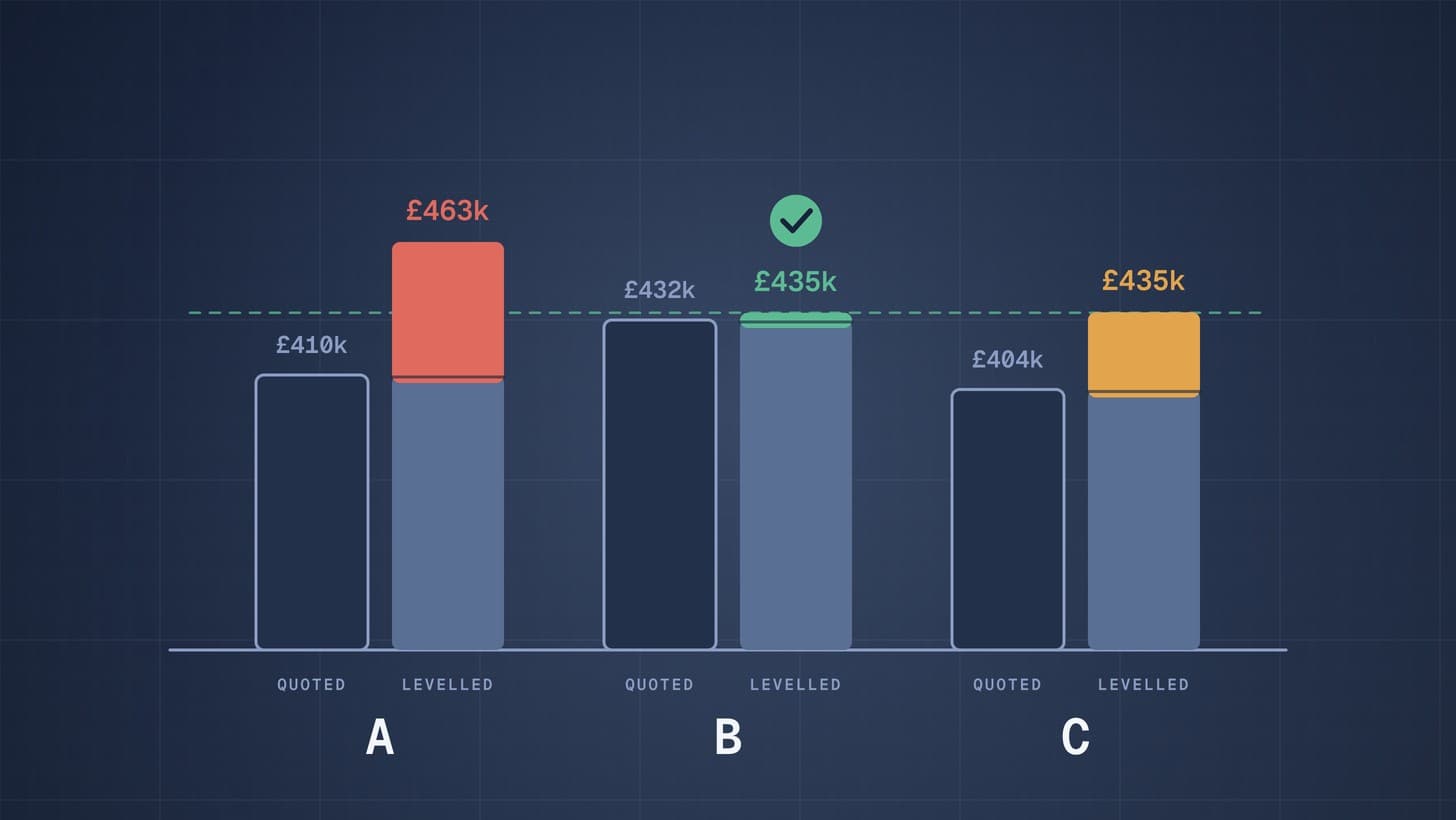
Commercial Bid Evaluation: Levelling Price, Terms and Exclusions
How to level technically accepted equipment bids onto one basis: exclusions, options, delivery, payment terms, currency, warranty and lifetime costs, with a worked table.

RFQ Template for Process Equipment (Free Excel and Word Layout)
An RFQ template built for engineered equipment rather than office goods, laid out as tables you can copy into Excel or Word, with an illustrative filled example.
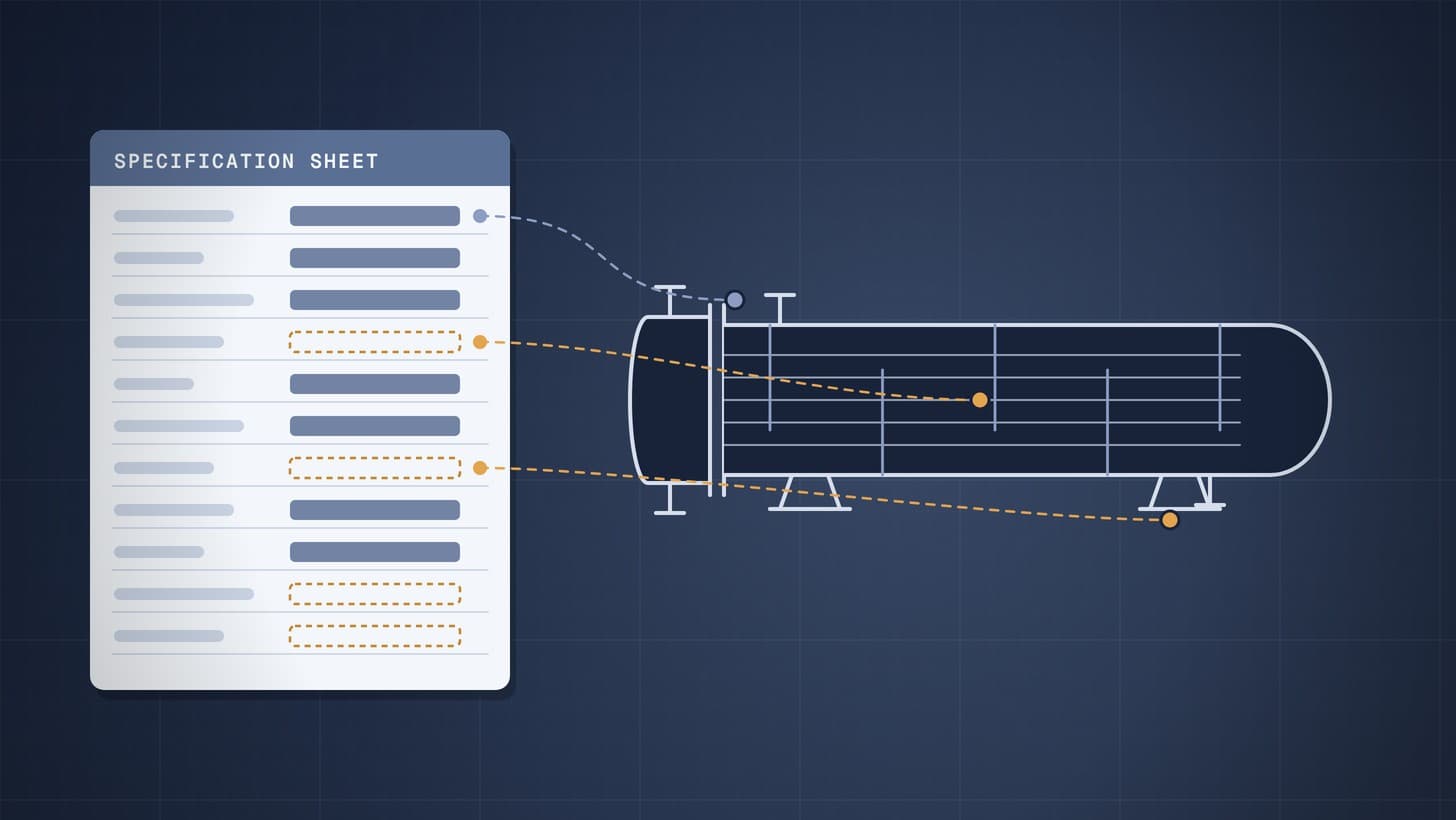
Heat Exchanger Datasheet Explained Line by Line (TEMA)
What each line of the TEMA shell and tube specification sheet means, which lines the buyer must fill, and which the thermal designer returns with the quote.
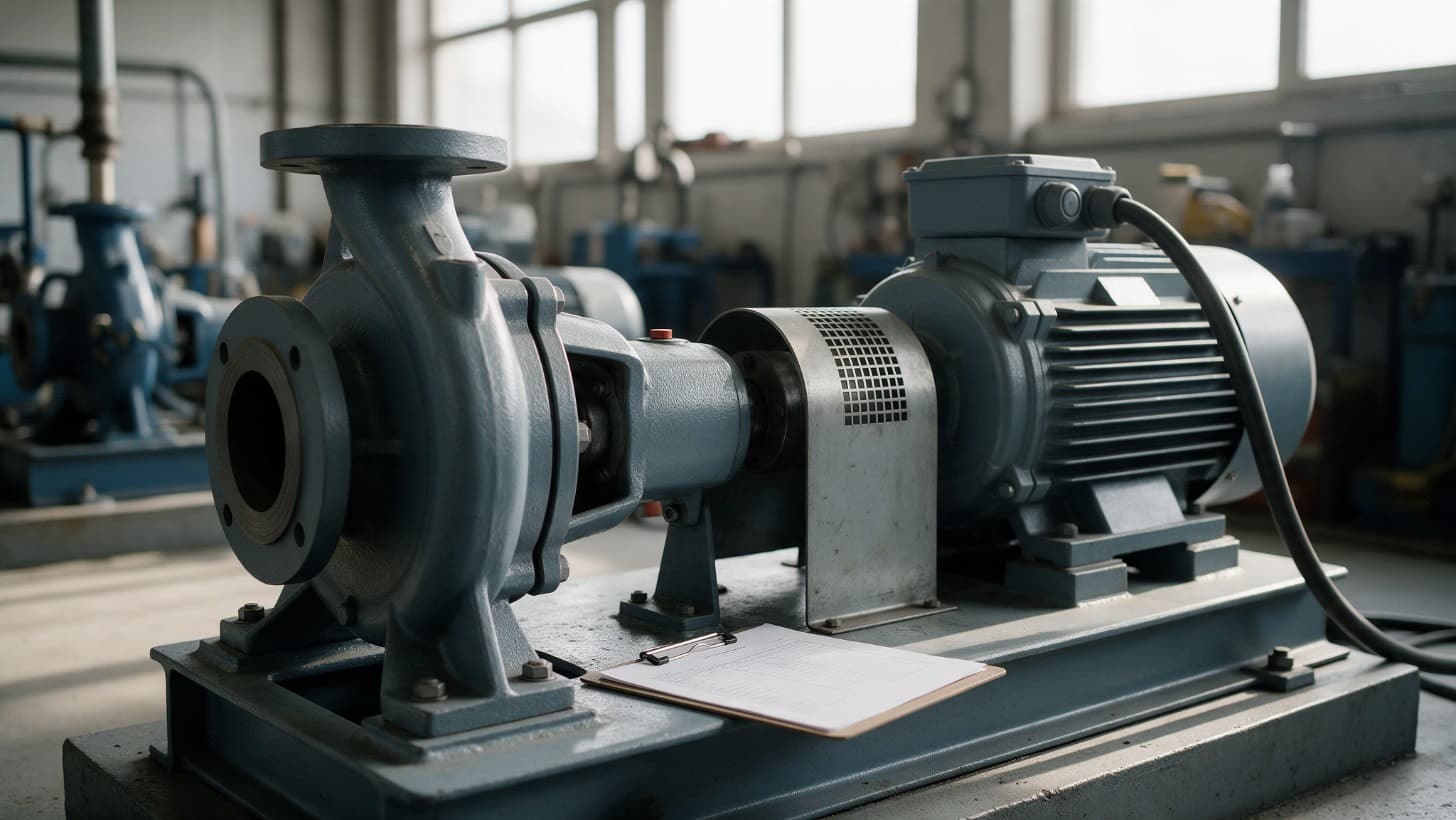
How to Fill In a Centrifugal Pump Datasheet for an RFQ (API 610)
A field by field guide to the buyer's side of an API 610 pump datasheet: liquid, flows, pressures, NPSH, scope, and what to check when bids come back.
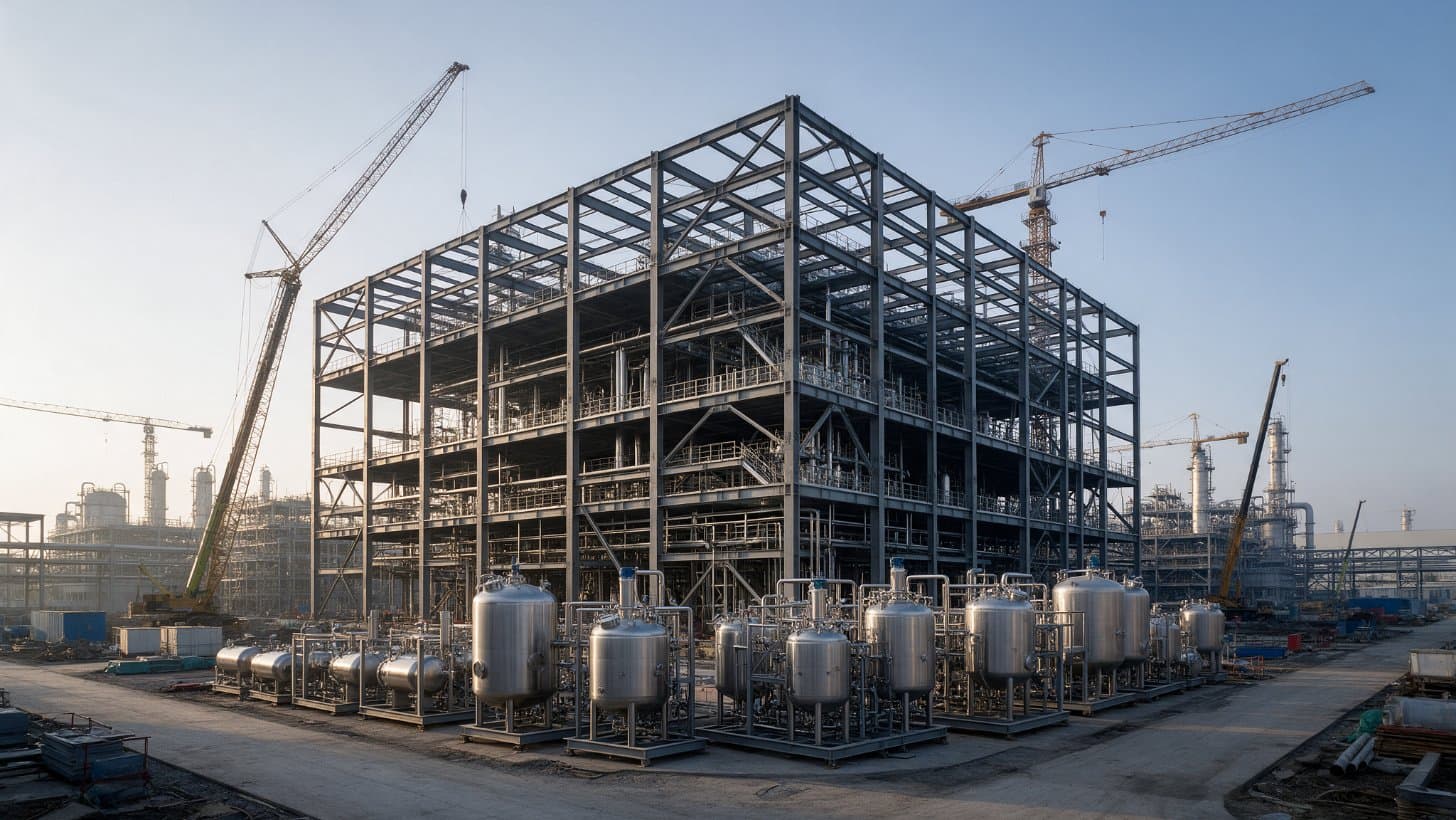
Where to Find Pharma and Chemical Plant Projects Before They Go to Tender: the 2027 Pipeline
Twenty pharma and chemical plant projects checked against owner or government announcements, the buying timeline on each, and where to watch for the next ones for free.
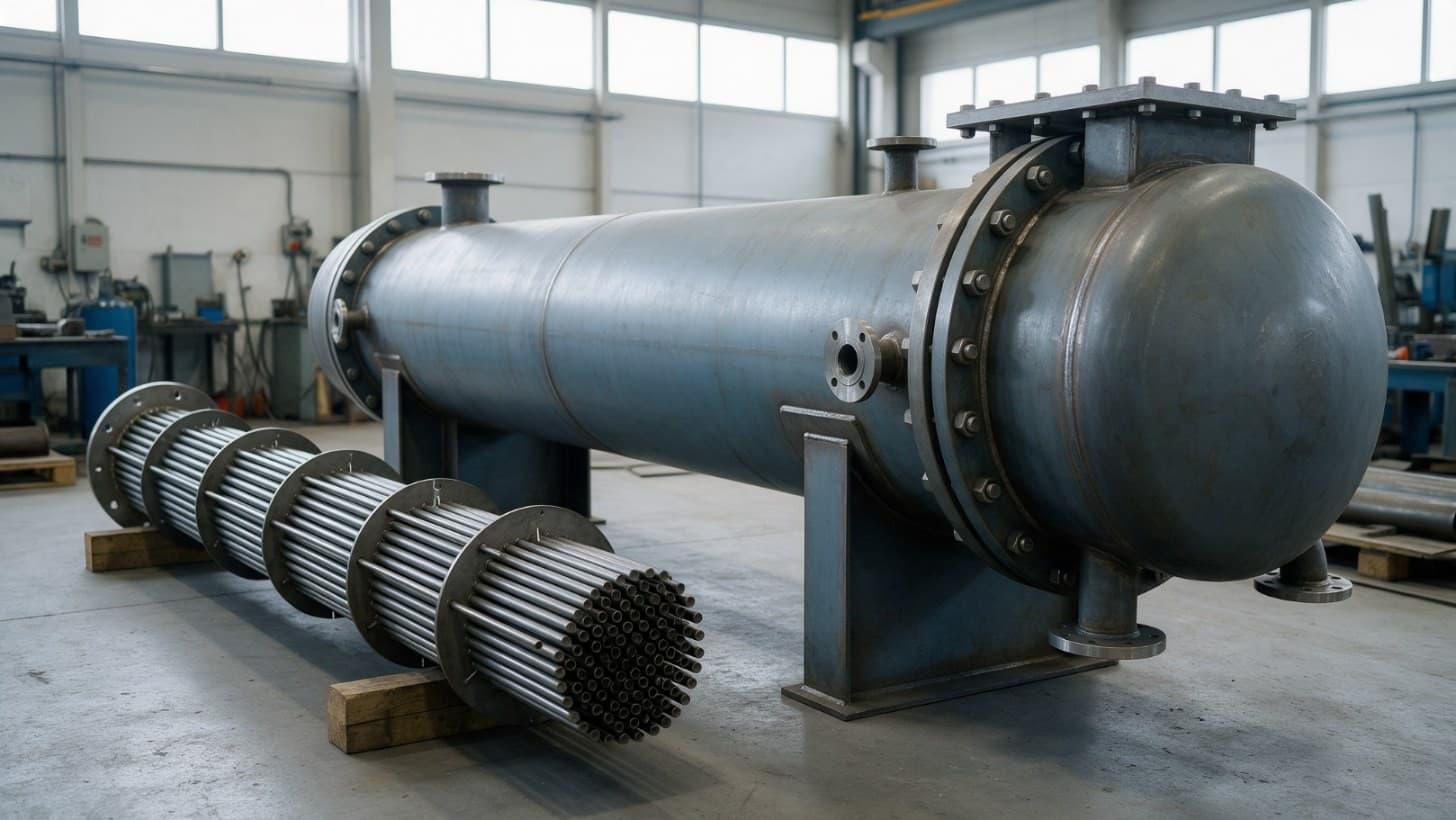
TEMA Heat Exchanger Types: How to Read AES, BEM and AEU
How to decode the three letter TEMA type, what AES, BEM, AEU and other common types mean for cleaning, expansion, leaks and cost, and how to compare bids that differ.
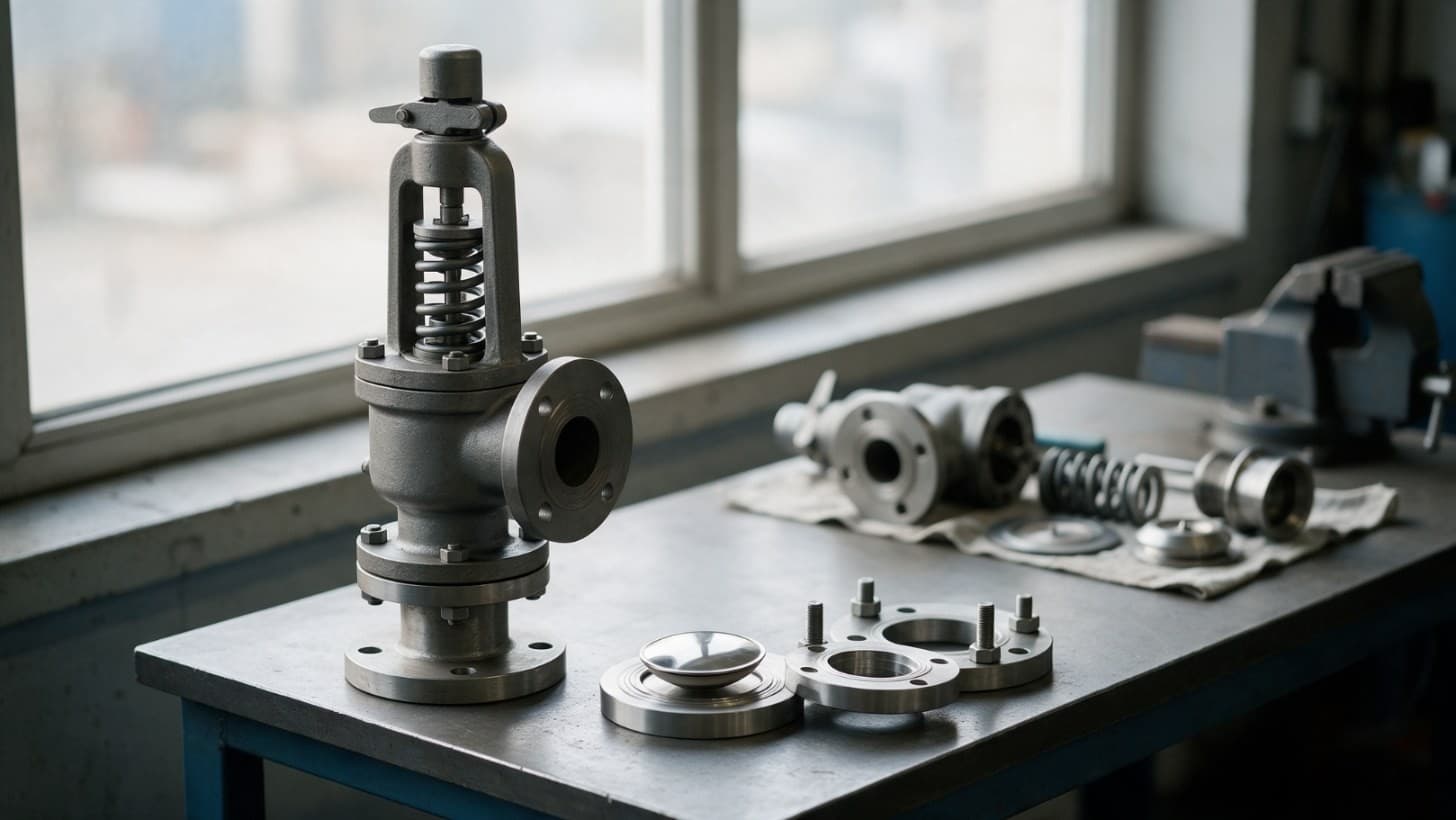
Safety Valve vs Relief Valve vs Bursting Disc: How to Choose
How safety valves, relief valves and bursting discs differ, when to fit a disc under a valve, the pressure terms that matter, GB duties and what to put in the RFQ.
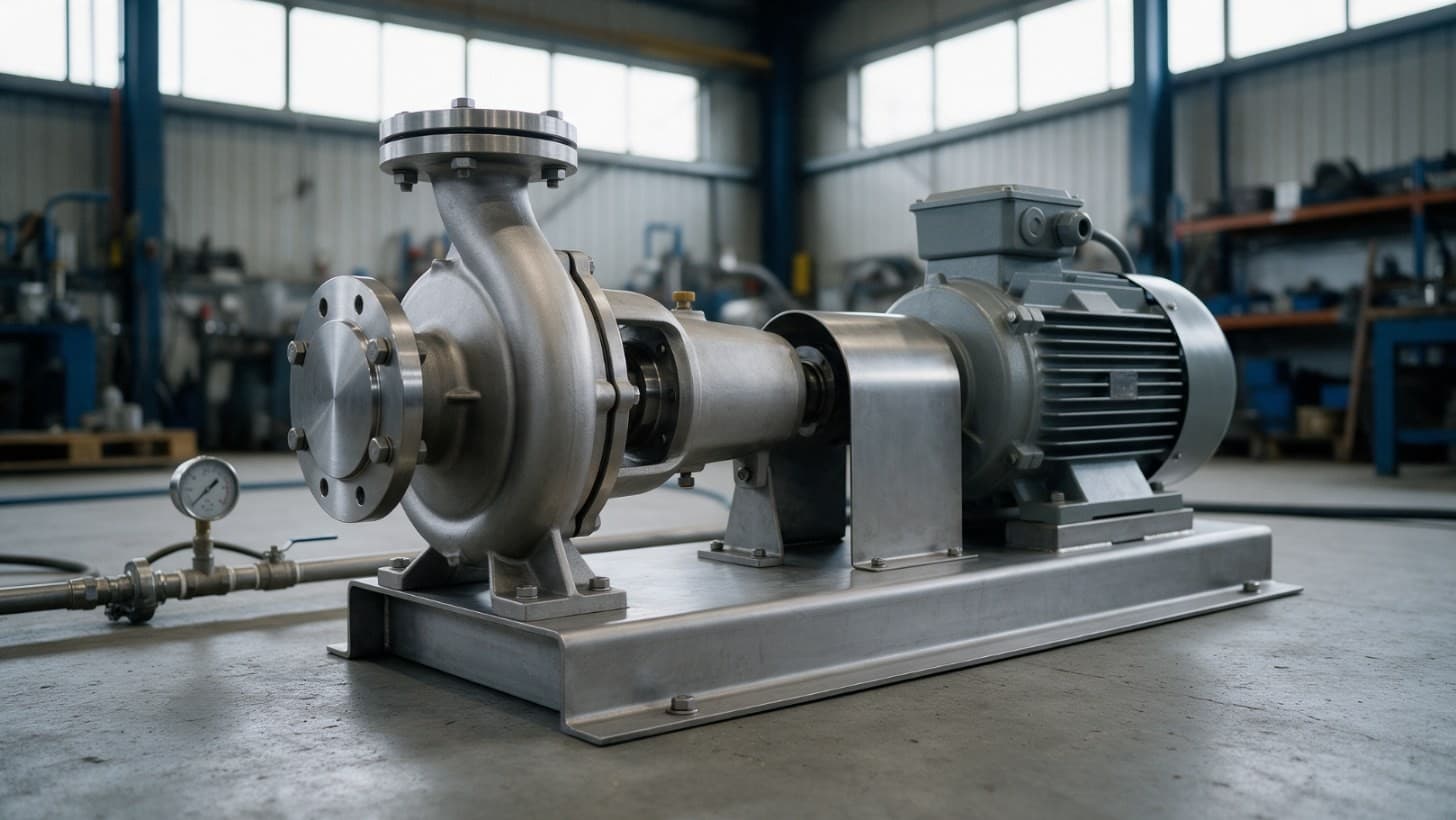
Quotation Comparison Sheet: Layout and Worked Pump Example
How to build a quotation comparison sheet for process equipment that levels scope, Incoterms, currency, payment terms and energy before ranking, with a worked pump example.
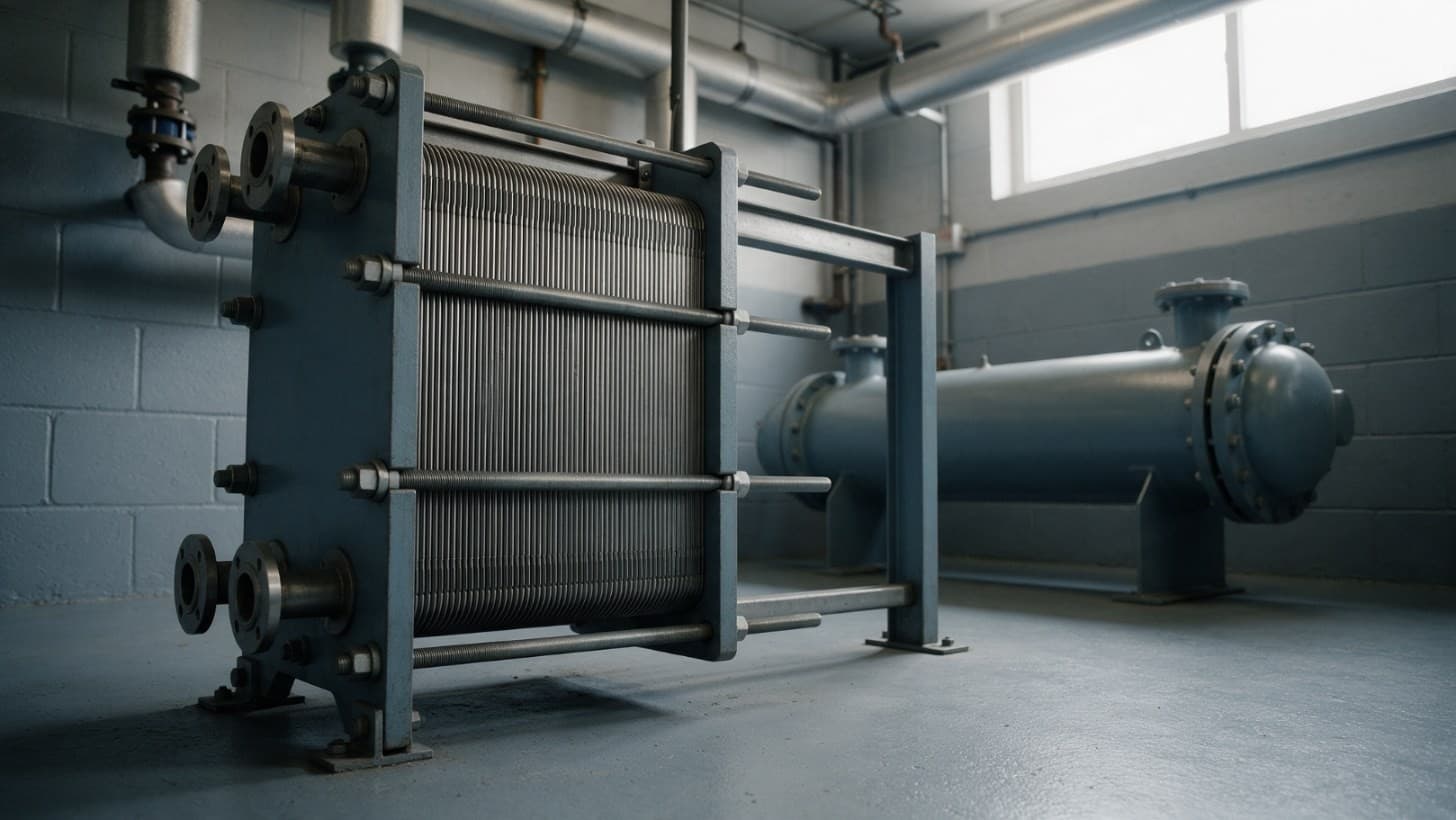
Plate vs Shell and Tube Heat Exchanger: A Buyer's Comparison
When a plate heat exchanger beats shell and tube, and when it does not: limits by type, close approach, fouling, gaskets, UK rules, the RFQ datasheet and a worked bid example.
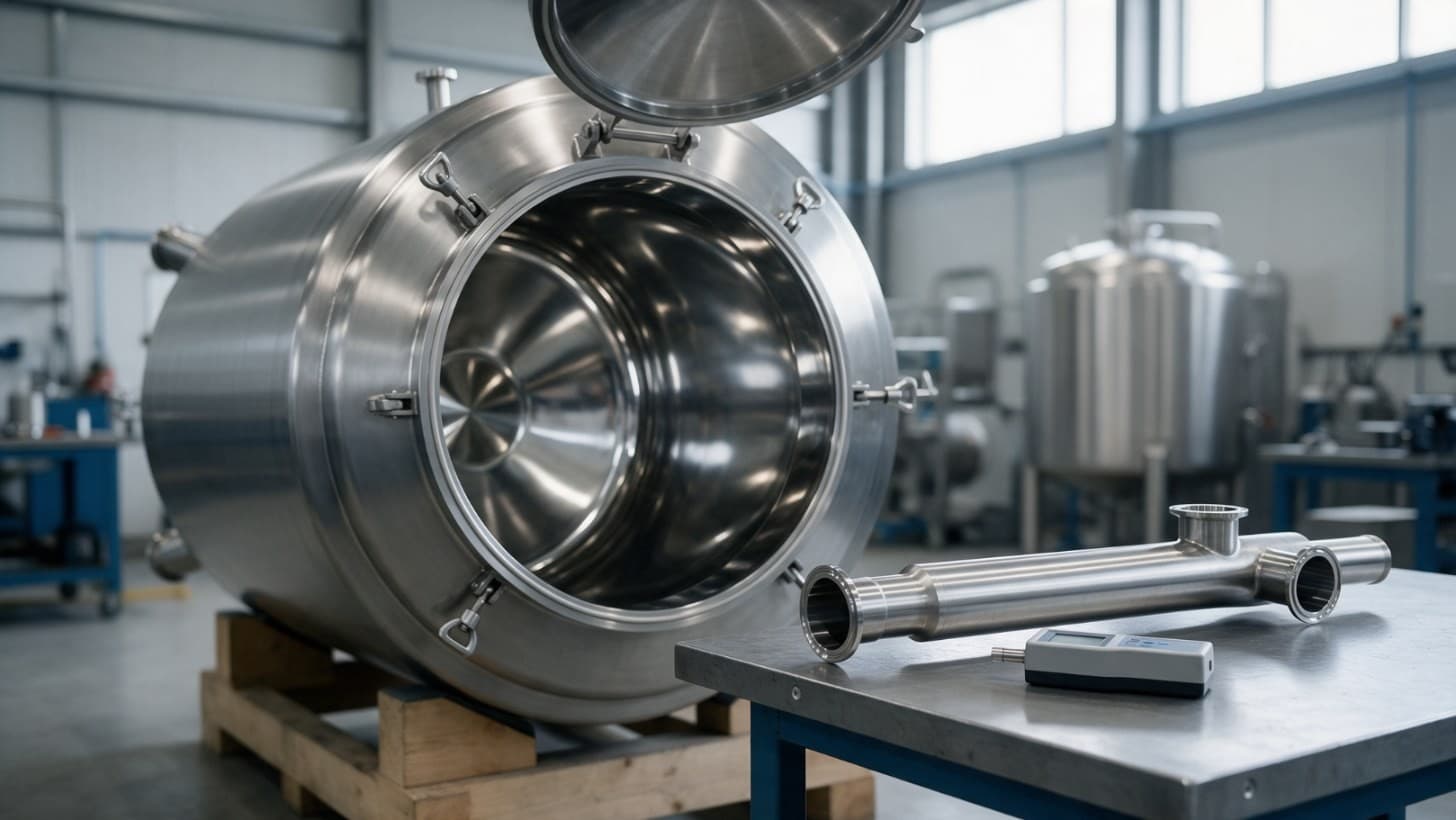
Passivation vs Electropolishing: Surface Finish for Hygienic Equipment
What passivation and electropolishing each do to stainless steel, how Ra and ASME BPE finishes are specified, how to test them and what to write on the purchase order.
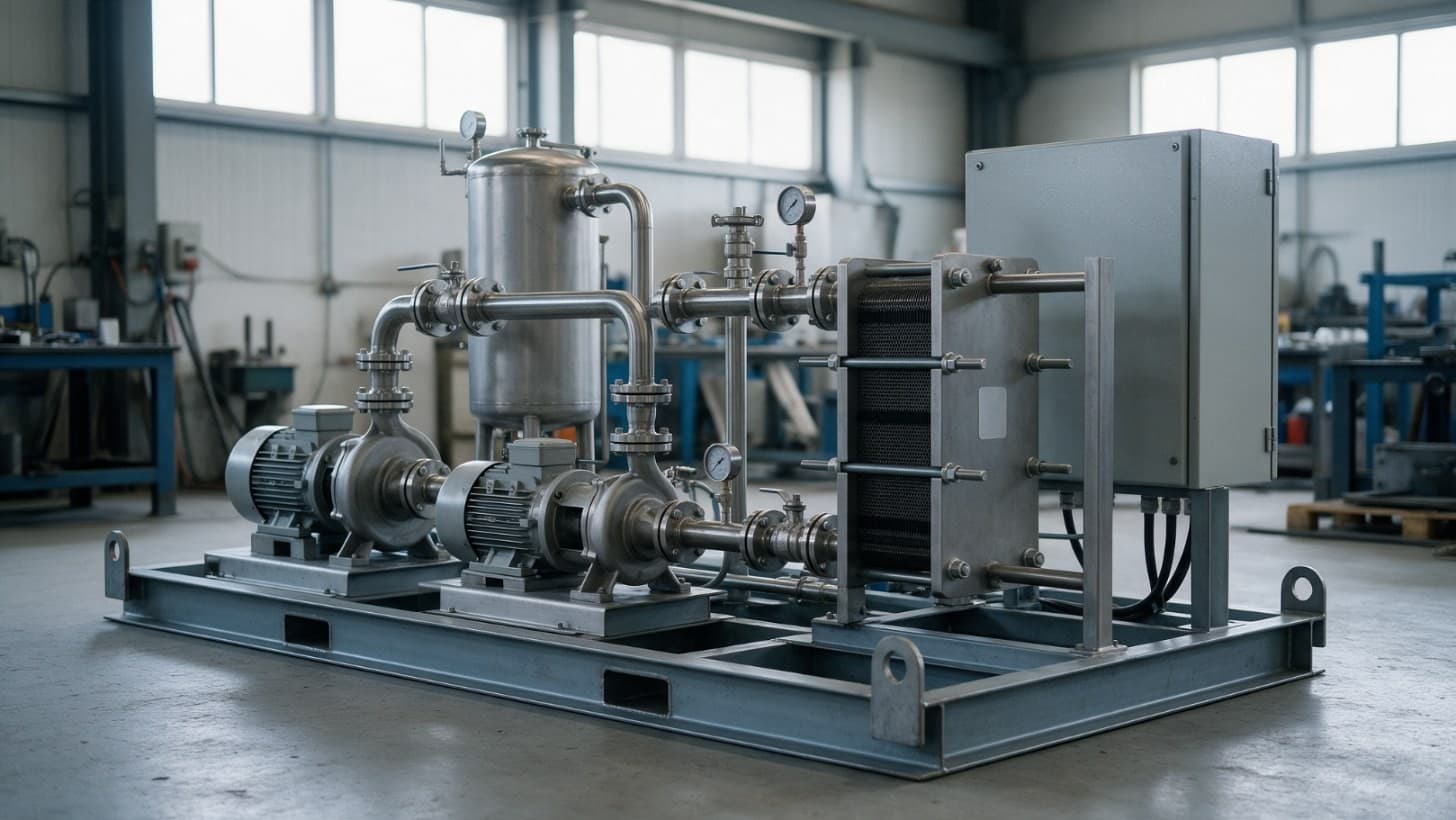
Modular Process Skids: A Buyer's Guide to Scope, Testing and Cost
When a modular process skid beats stick built, how to set battery limits, which UK rules apply, FAT and road limits, and how to compare skid bids like for like.
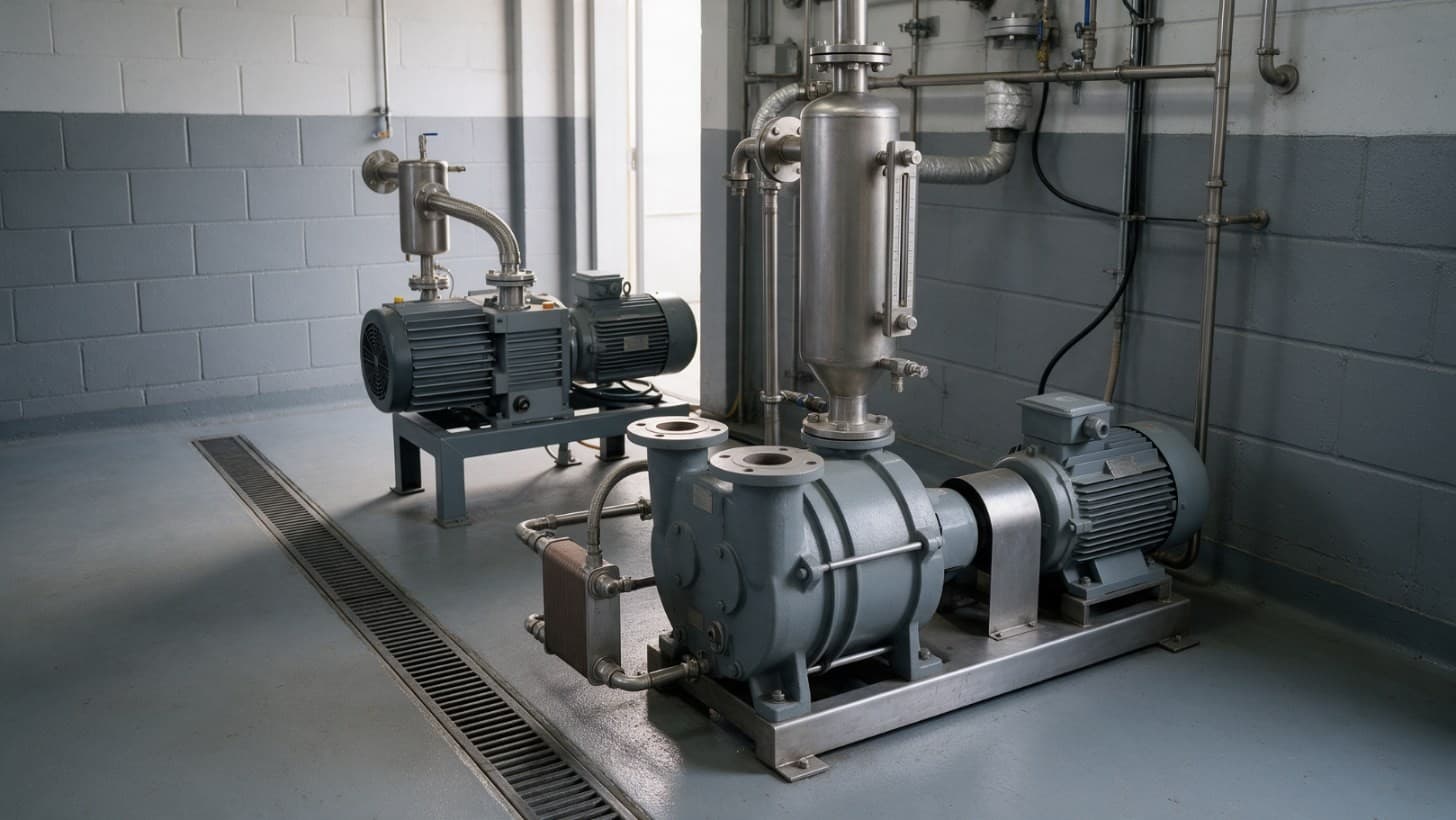
Liquid Ring vs Dry Screw Vacuum Pumps for Chemical and Pharma Plants
Liquid ring or dry screw vacuum pump? Vacuum limits, wet gas and slugs, seal water and effluent, solvent recovery, ATEX inside and outside the pump, and a ten year cost example.
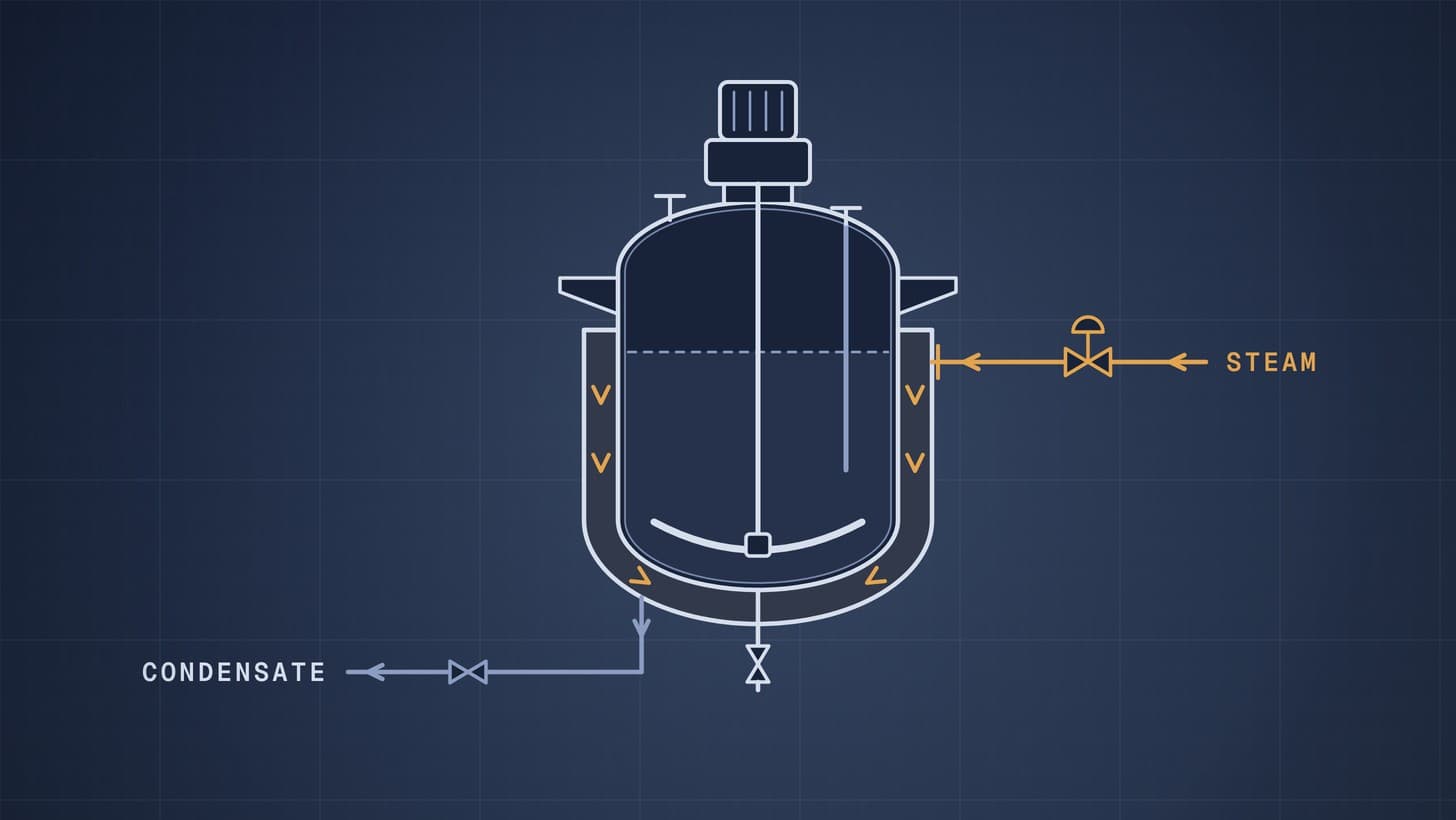
Jacketed Reactors and Vessels: Jacket Types and Glass Lined Reactors
How jacketed reactors and vessels heat and cool, conventional, dimple and half pipe jackets compared, glass lined and glass lab reactors, and what to specify.
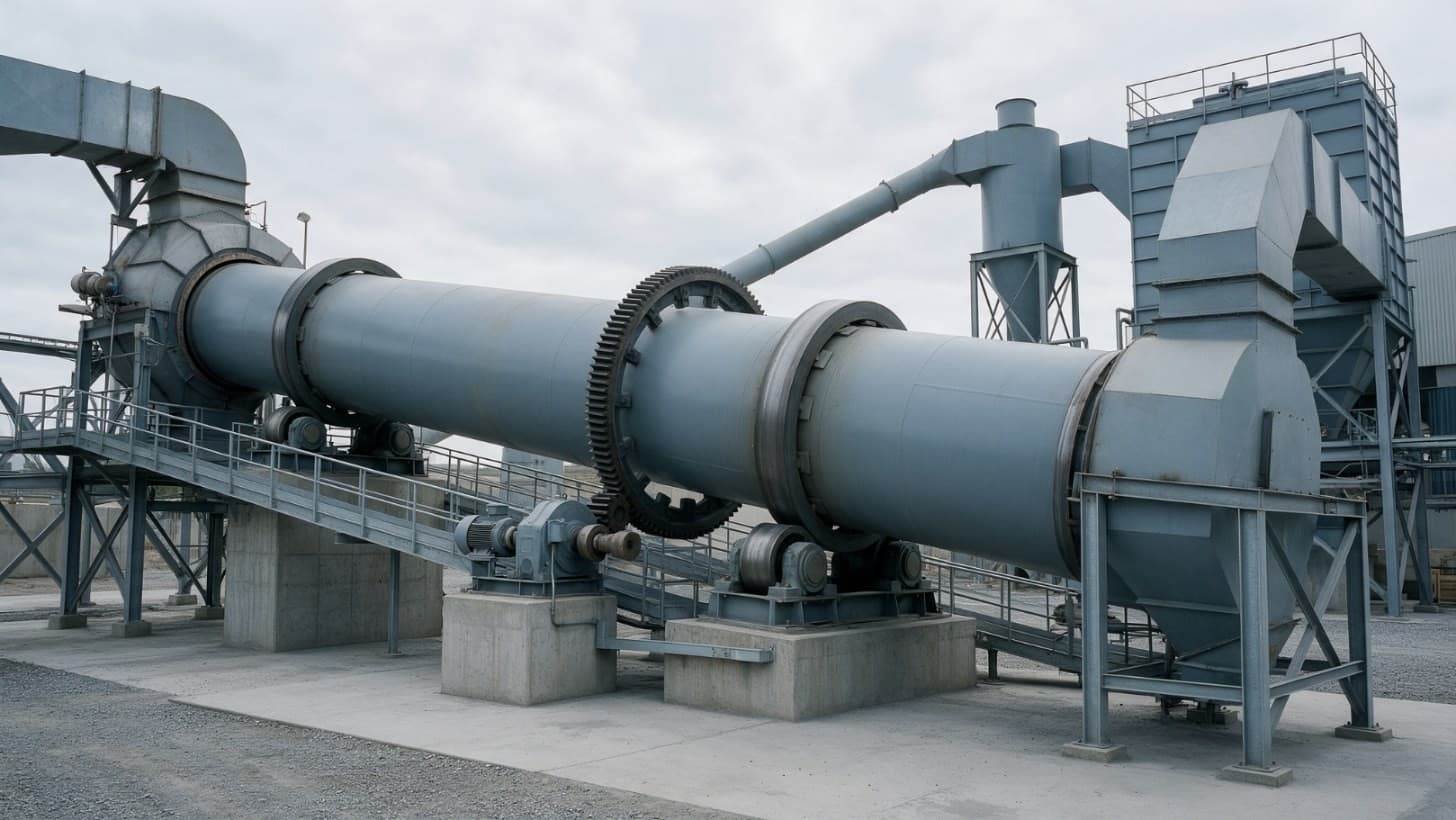
Types of Industrial Dryers: Fluid Bed, Rotary, Vacuum, Spray and More
Direct and indirect dryers compared: tray, fluid bed, rotary, flash, spray, drum, paddle, vacuum and filter dryers by feed, solvent, explosion risk and the data a vendor needs.
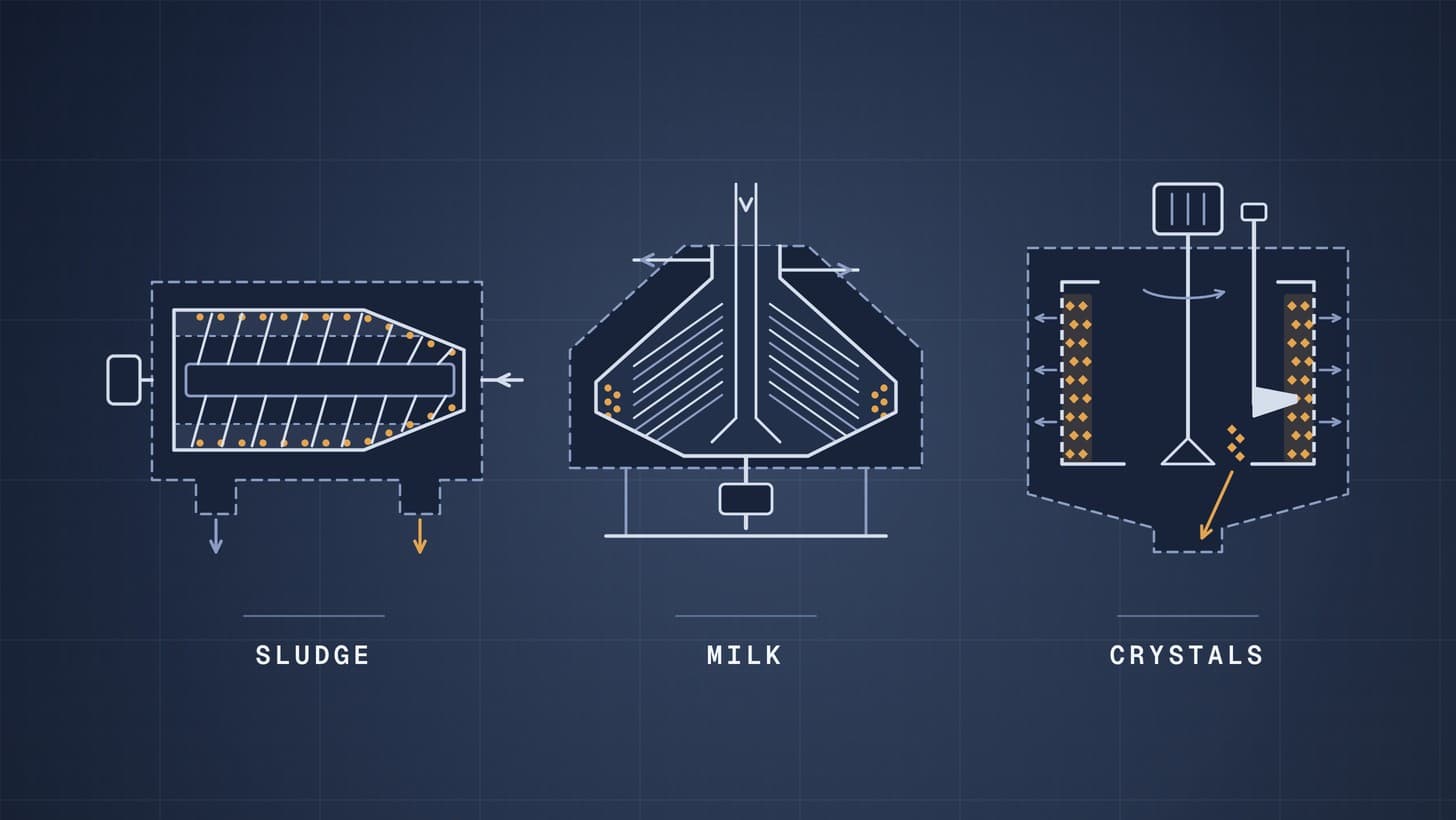
Industrial Centrifuges: Types, Uses and How to Choose One
What an industrial centrifuge is, how sedimentation and filtering types differ, where each is used, how to choose one by duty and what to send vendors with the RFQ.
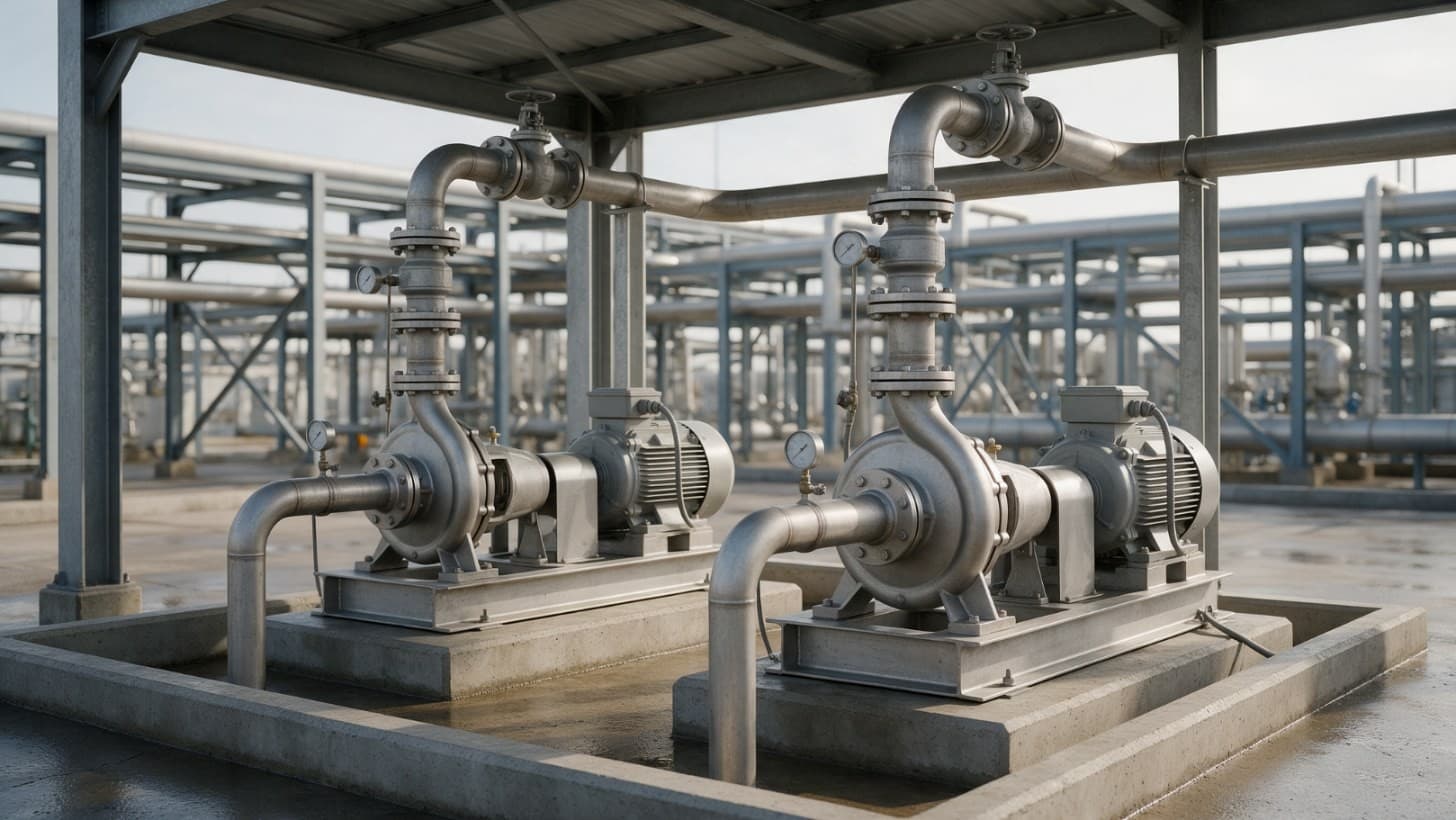
How to Read a Pump Curve and Compare Two Bidders' Curves
How to read a centrifugal pump curve: head, efficiency, BEP, power, NPSHr and the system curve, then how to compare two bids for one duty, with a worked energy cost example.
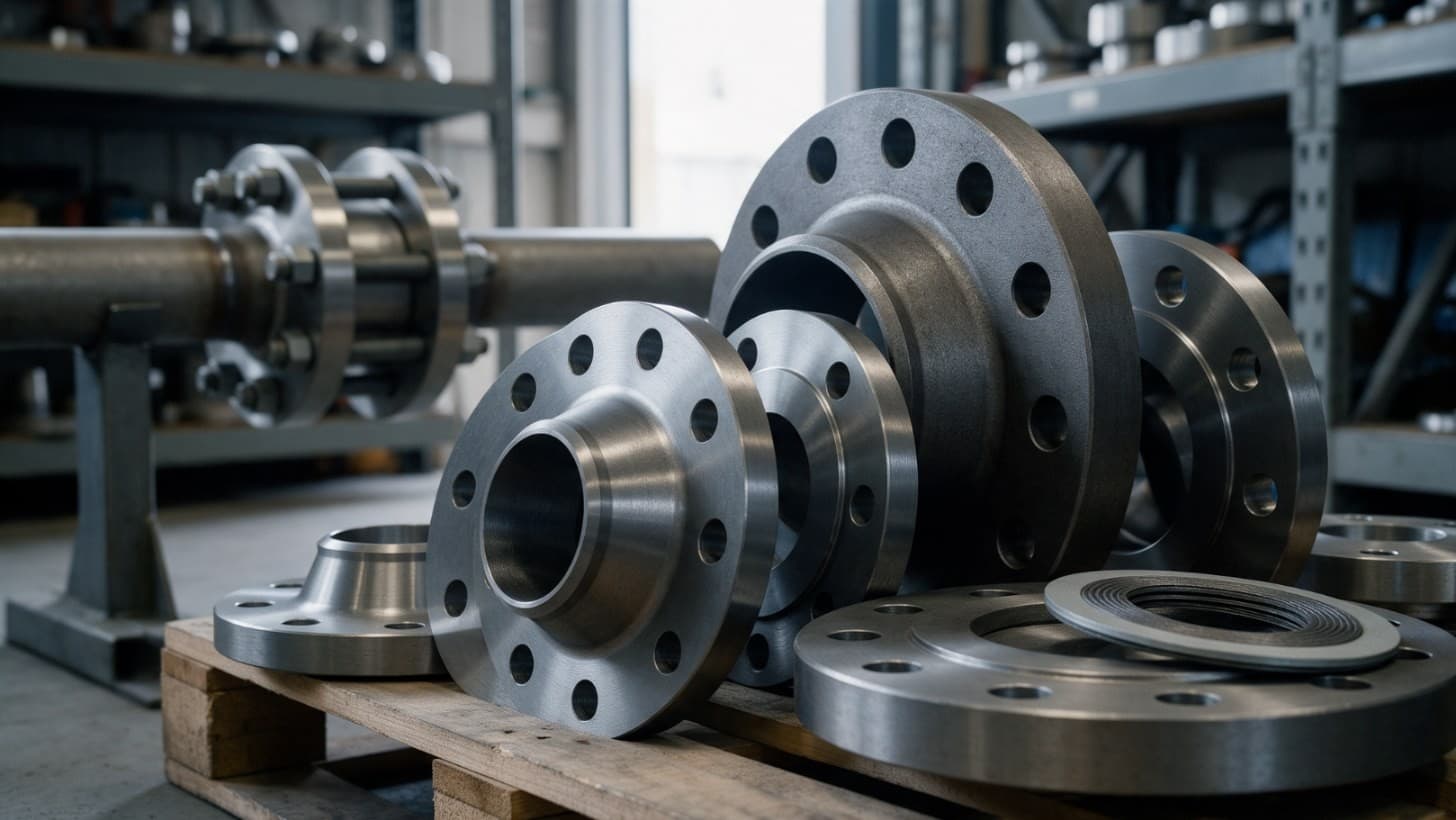
Flange Types and Ratings: PN vs ASME Class for UK Process Plant
Flange types and faces, what PN and ASME Class ratings mean at temperature, why PN 16 and Class 150 flanges are not interchangeable, and how to specify flanges in an RFQ.
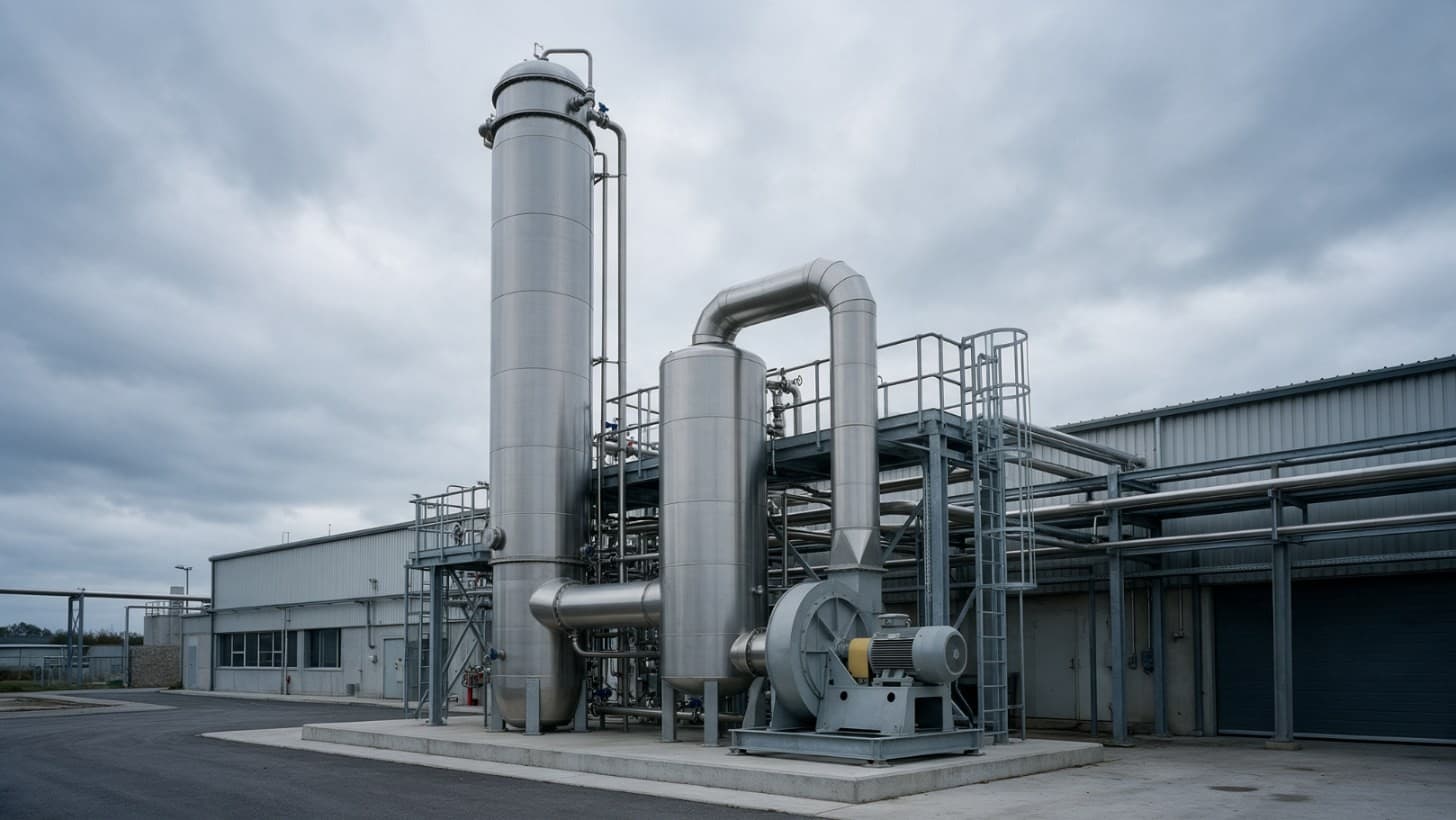
Evaporator Types: Falling Film, Forced Circulation, Wiped Film, MVR
Falling film, forced circulation, plate, wiped film and short path evaporators compared, with steam use for multiple effects, TVR and MVR, RFQ data and a worked example.
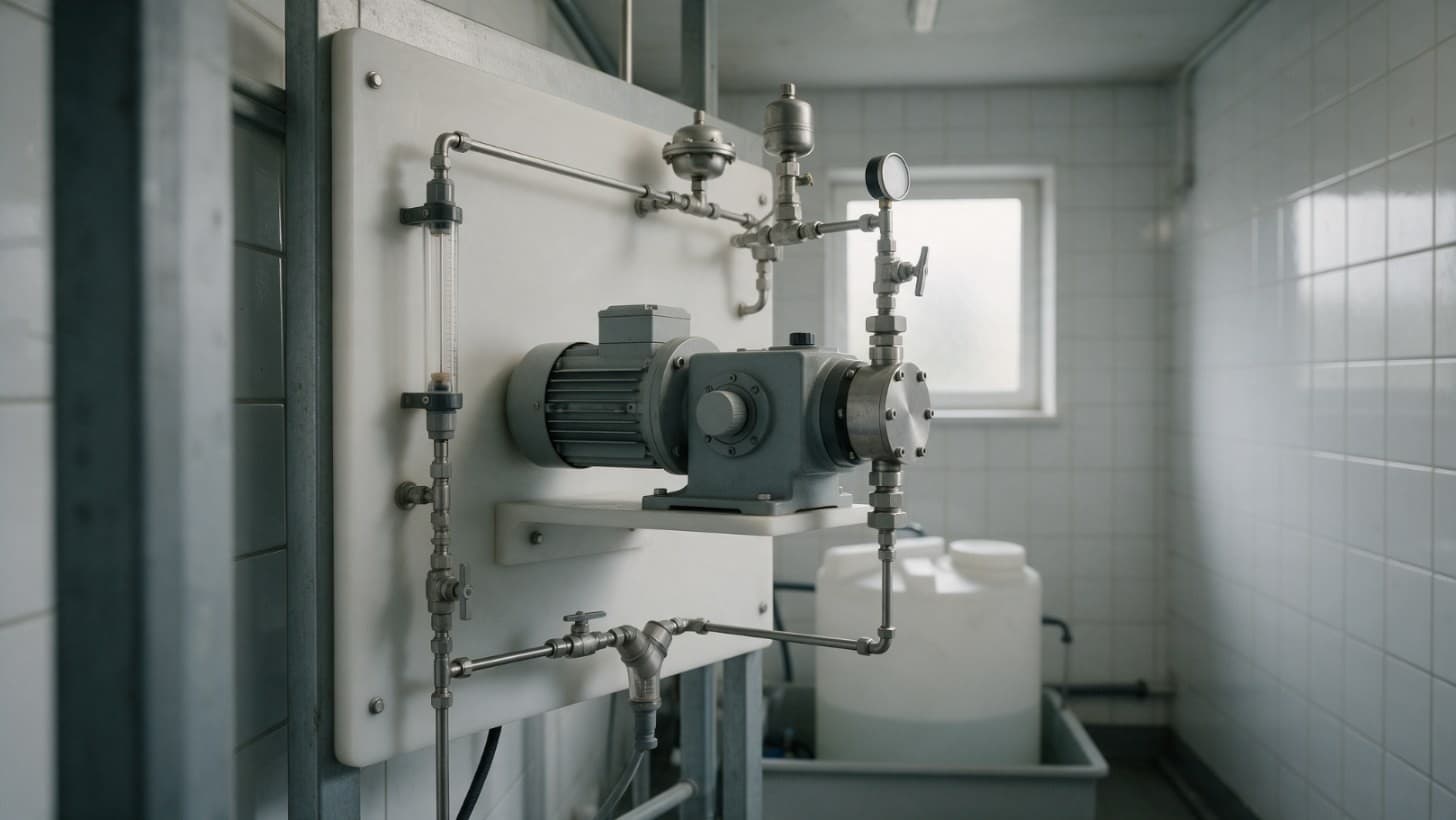
Dosing Pump vs Metering Pump: Accuracy, Turndown, How to Specify
Dosing pump and metering pump mean the same thing in practice. What counts is accuracy and turndown: API 675 figures, five designs, accessories and an RFQ datasheet.
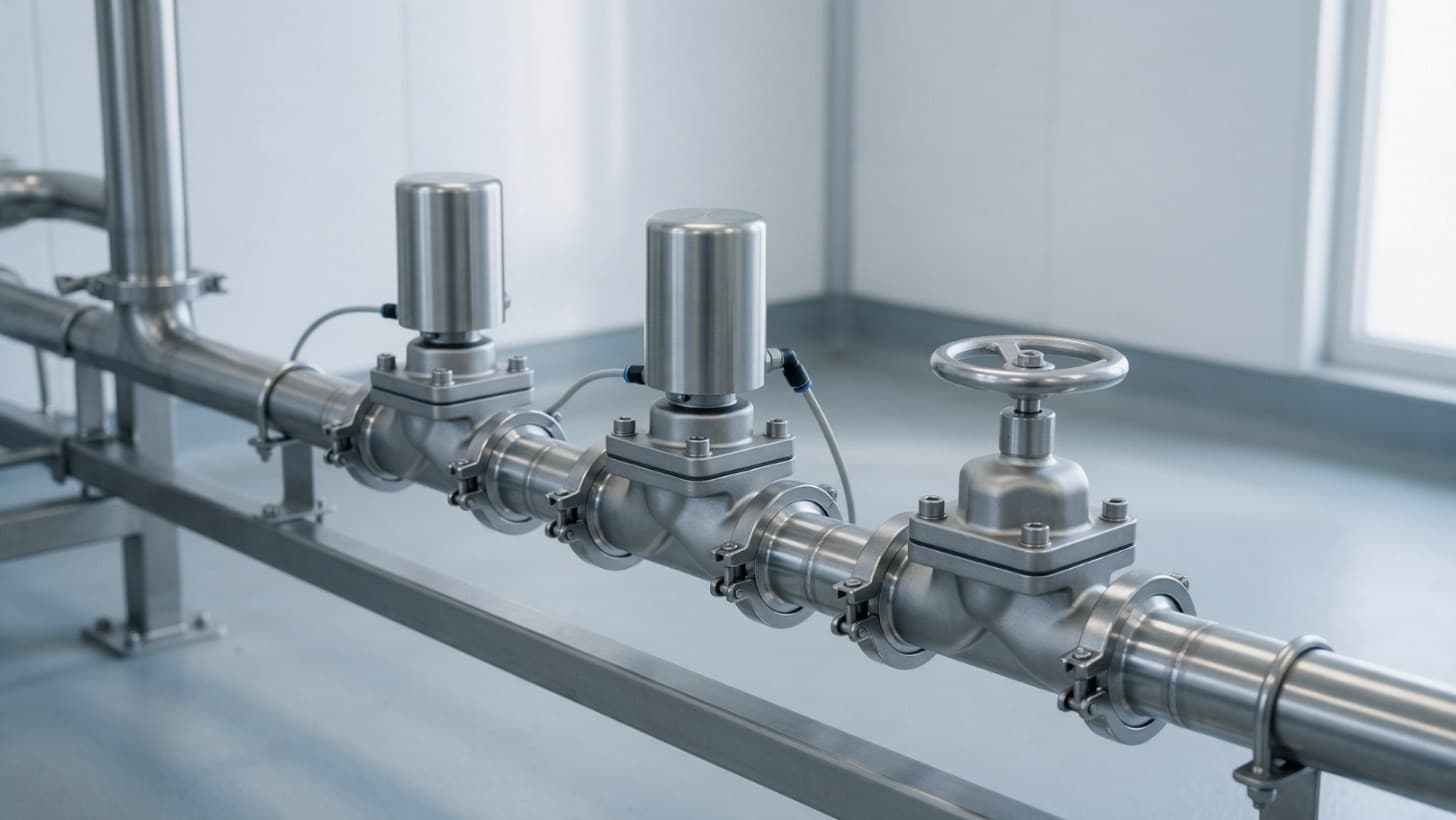
Diaphragm Valves for Hygienic and Pharma Service: What to Specify
How a diaphragm valve works, weir or straight through, EPDM and PTFE steam limits, drain angles, zero static valves and the datasheet to send with your RFQ.
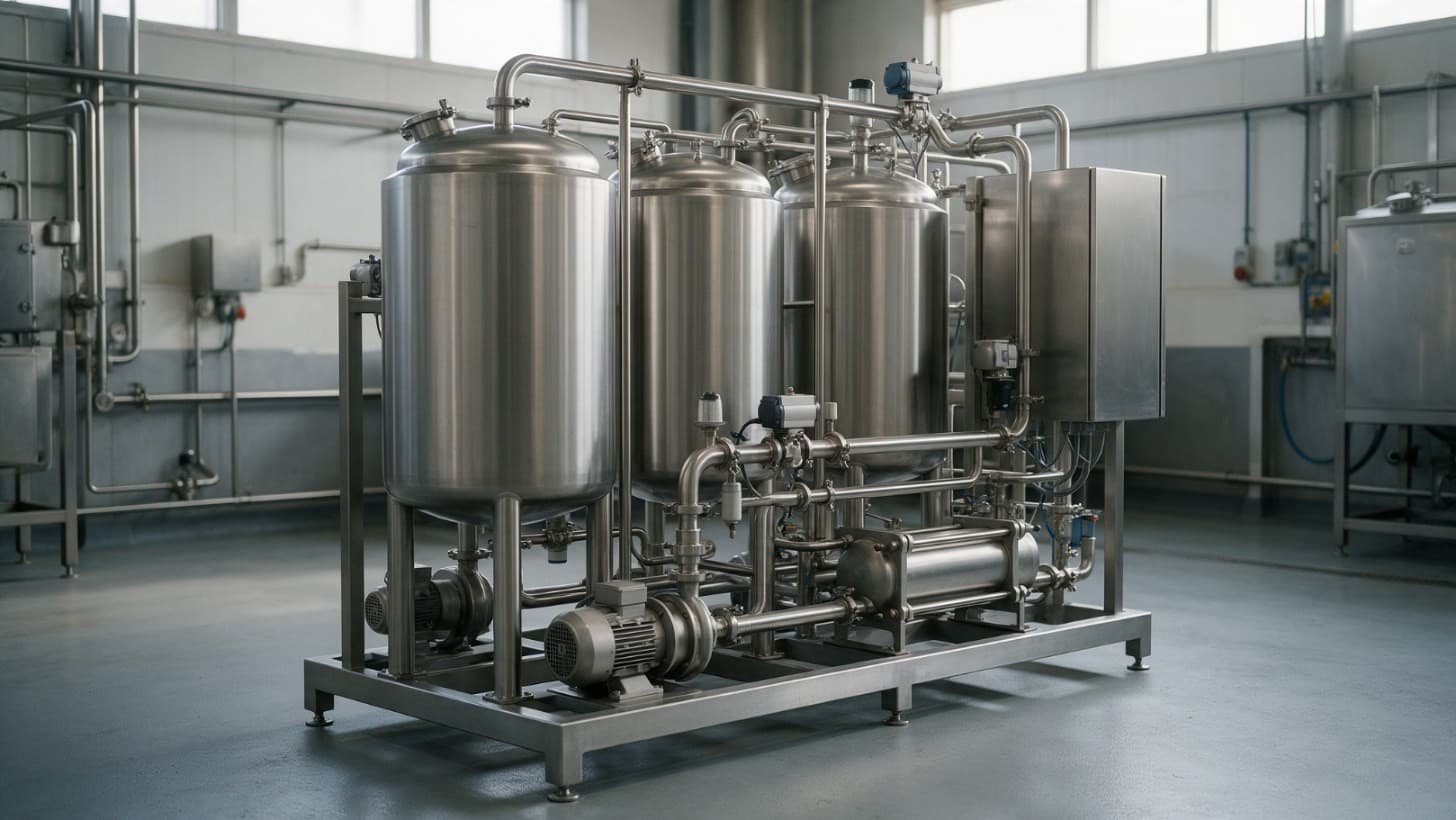
CIP Skid Design: What to Specify Before You Ask for Quotes
How a clean in place system works, the design choices that set its price and performance, and a CIP skid checklist to put in your RFQ so quotes compare like for like.
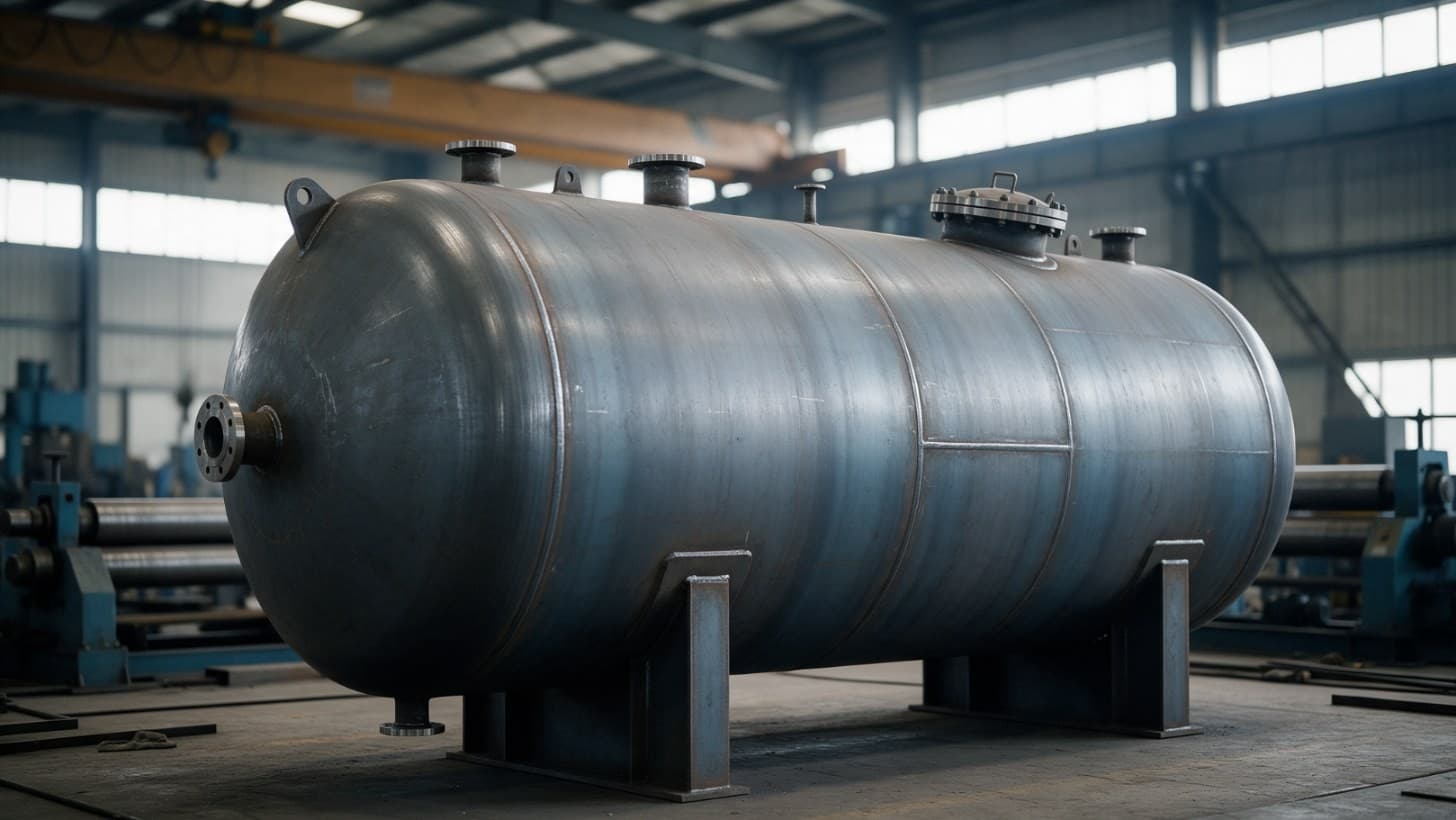
ASME VIII vs PD 5500 vs EN 13445: Choosing a Pressure Vessel Code
How the three main pressure vessel codes differ for a project in Great Britain: legal status under PESR, extra work for ASME vessels, vendor pool and a worked bid comparison.
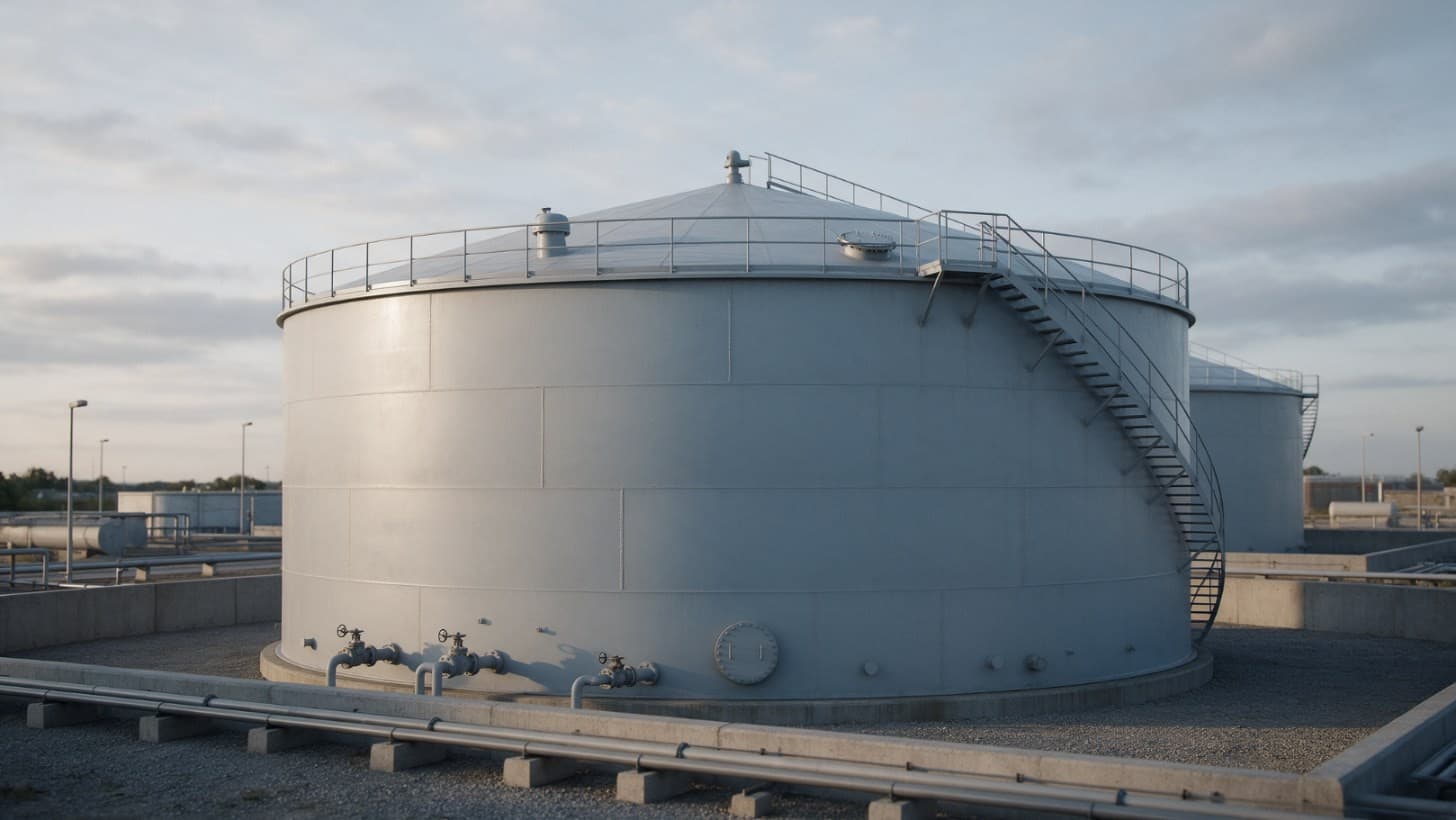
API 650 Storage Tanks: What Buyers Must Specify
What API 650 covers, when API 620 or BS EN 14015 fits better, roof types and venting, the data sheet choices that drive tank cost, and a worked two bid example.
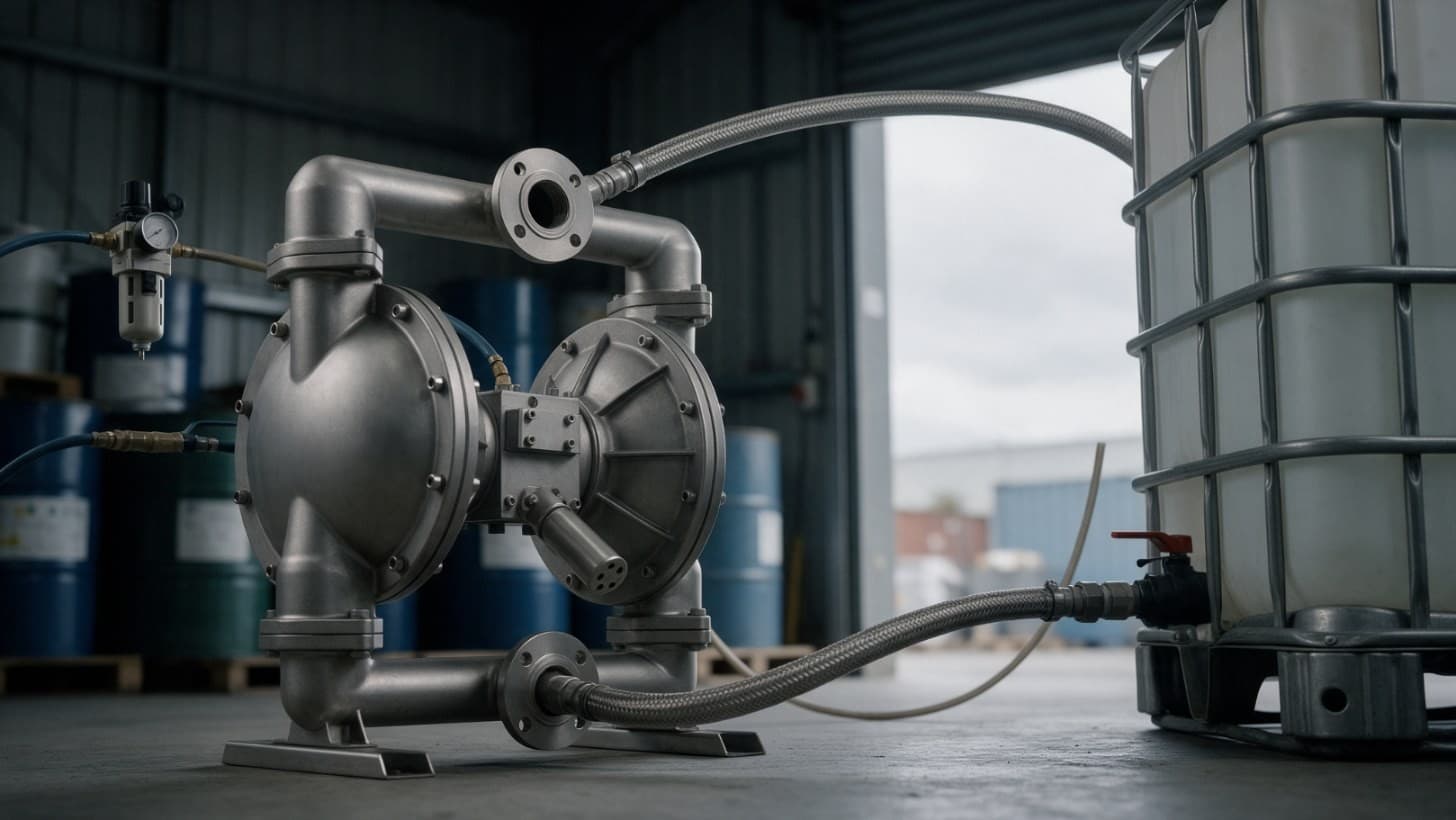
Air Operated Diaphragm Pumps (AODD): How to Size and Specify One
How an AODD pump works, how to size one from its curve and air consumption, body and diaphragm materials, ATEX and hygienic options, and the RFQ datasheet.
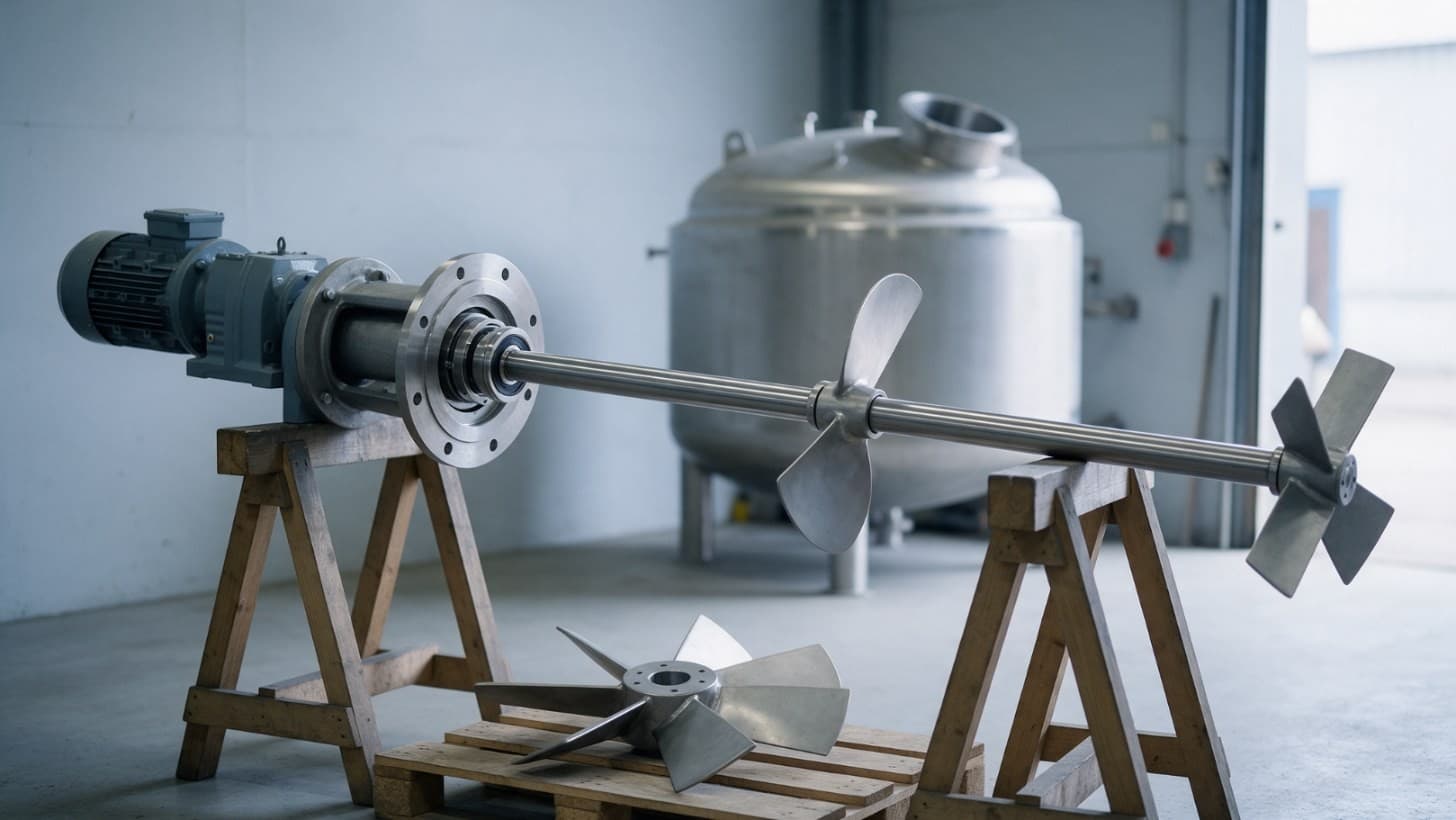
Agitator and Impeller Types: How to Specify a Tank Agitator
Axial, radial and close clearance impellers matched to duty and viscosity, with baffles, seals, the power equation and what to put on an agitator datasheet.
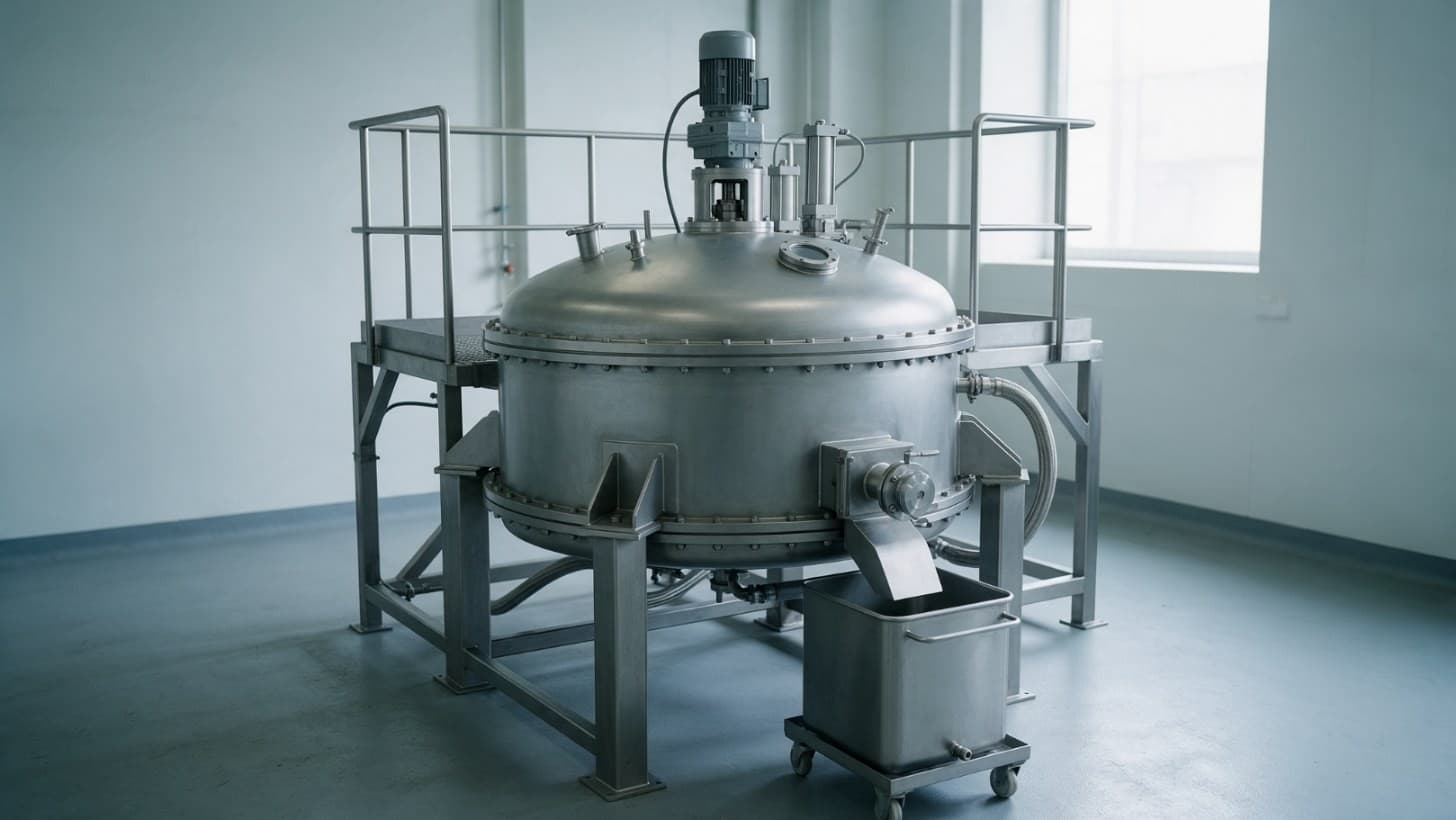
Agitated Nutsche Filter Dryer (ANFD): A Buyer's Guide
What an agitated nutsche filter dryer does, how to size it by cake volume and filter area, materials, pressure, OEB containment, and what the URS, RFQ and FAT must cover.
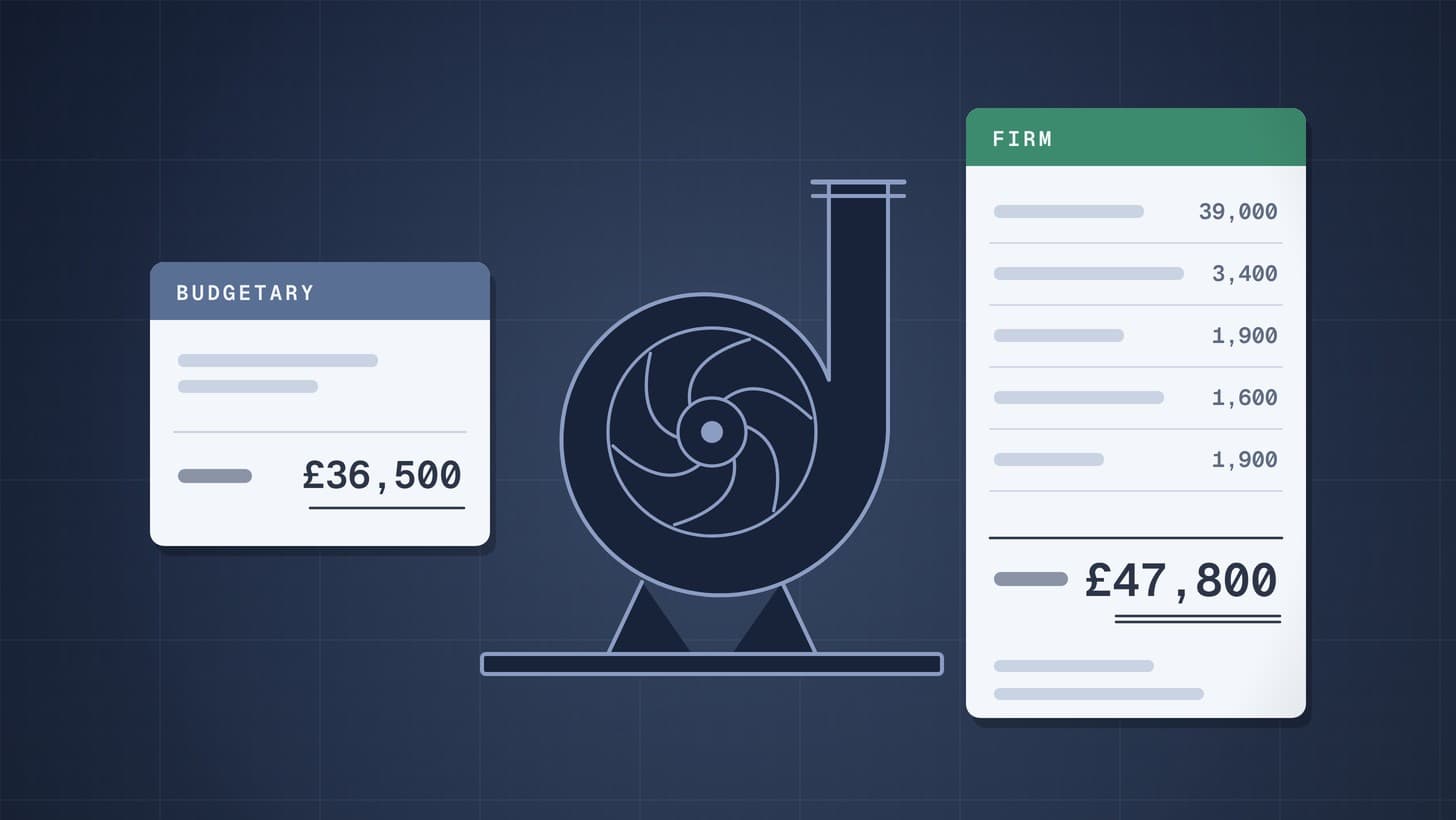
Budgetary Quote: Meaning, Example and How It Differs from a Firm Quote
A budgetary quote is a supplier's planning price, not meant to be accepted as an order. What it means, how it differs from a firm quote, how to ask for one and a worked example.
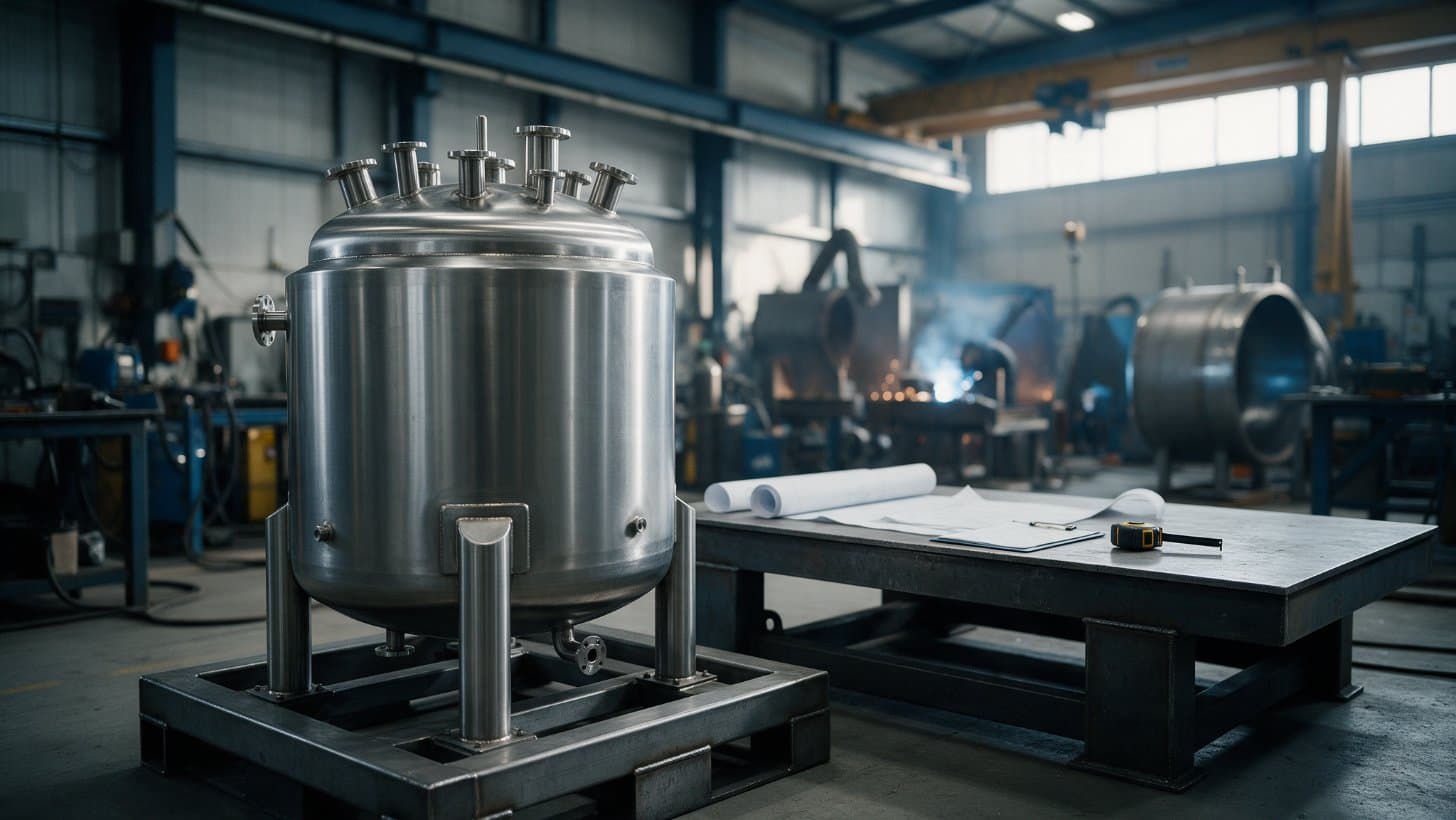
How Industrial Suppliers Win More RFQs and Contracts: Response Guide and Template
How to decide whether to bid, read and clarify the RFQ, structure a six part response for engineered equipment, and follow up. With a template and worked scoring example.
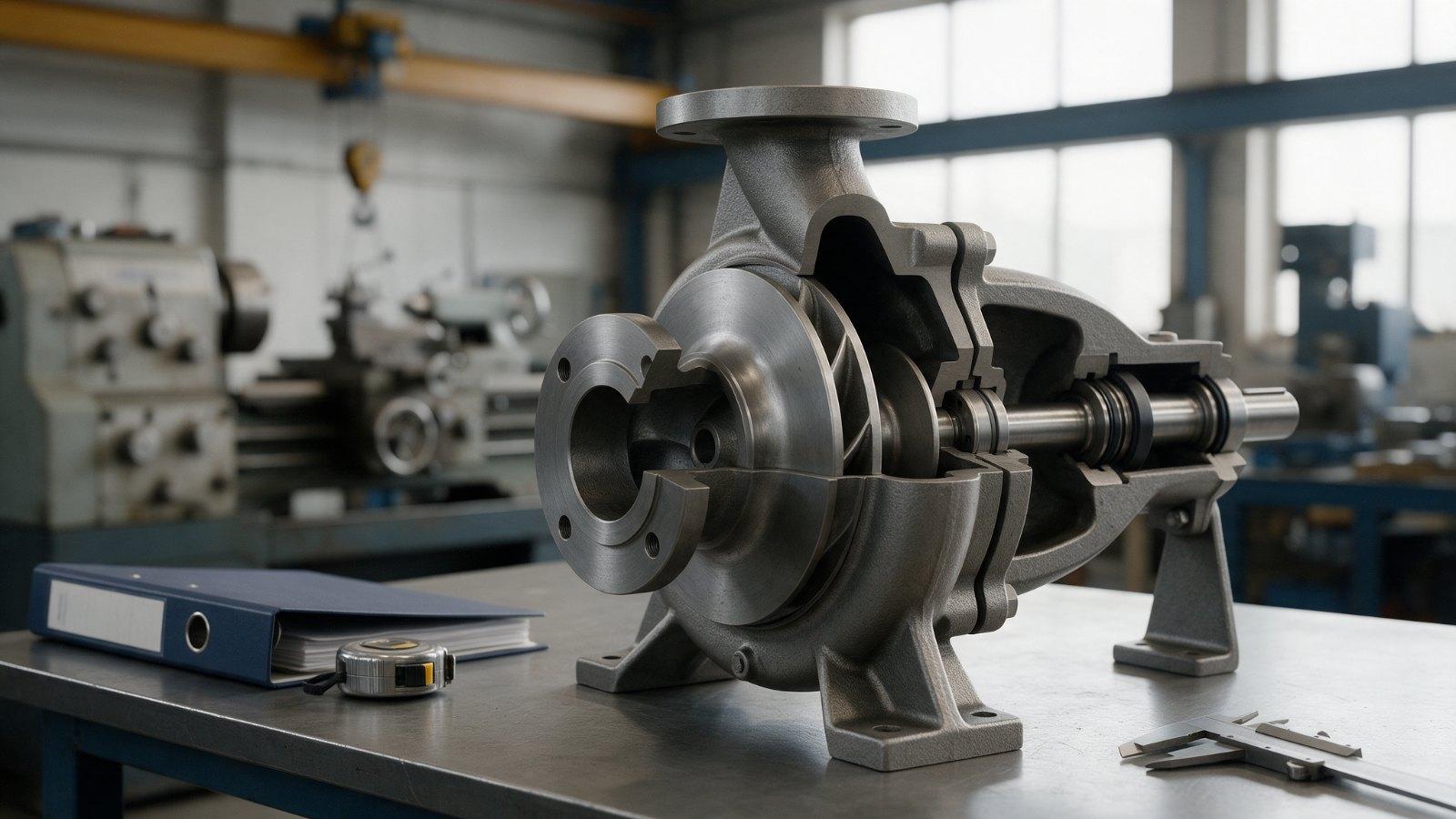
RFQ Best Practice for Industrial Procurement Teams
Write RFQs that reduce supplier confusion, improve bid quality, and make evaluation faster: with clearer scope, comparable responses, and stronger evaluation logic.