
Third Party Inspection for Process Equipment: When to Use It and How to Scope It
What a third party inspector does at your supplier's works, how it differs from a notified body or code inspector, how to pick an accredited agency, and how to scope and price the assignment.
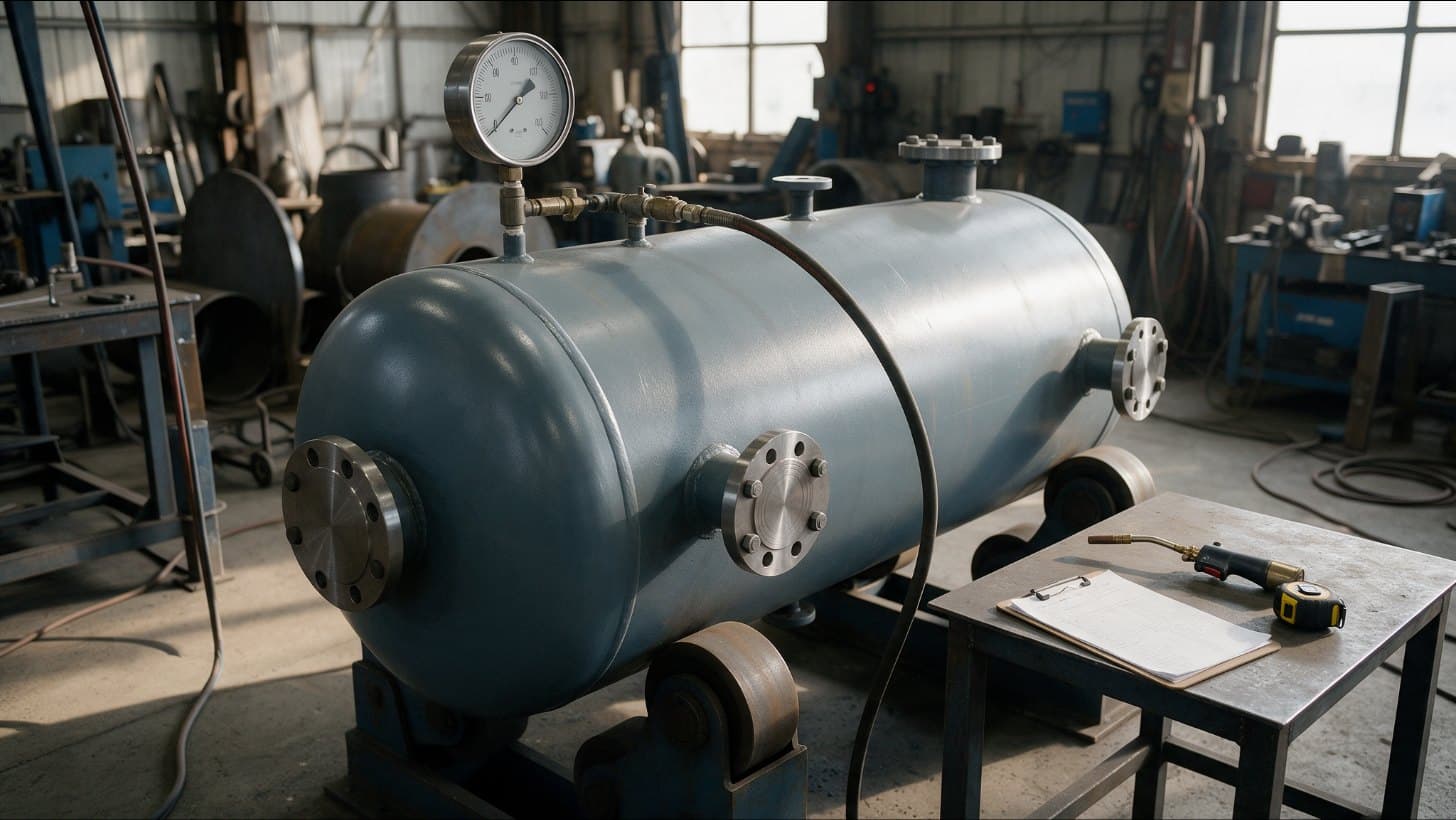
Third party inspection means hiring an independent inspection company to act as your eyes at the supplier's works. The inspector attends the hold and witness points in your inspection and test plan, checks materials and documents, witnesses tests such as pressure tests and performance tests, carries out a final inspection, and reports back; if you authorise it, the inspector also issues the release note that lets the equipment ship. It is worth paying for when the equipment is critical, the supplier is far away or new to you, or you simply do not have engineers free to travel.
It is not the same as the inspection done by a notified body or an ASME Authorized Inspector. Those inspectors check compliance with the law or with a code. Yours checks compliance with your order.
Why this matters now
When equipment comes from suppliers in other countries, a buyer cannot be at every factory acceptance test in person. Applus+, for example, offers scopes that run from a single final inspection to an intensive regime that starts at the pre production meeting and covers raw materials, every hold point, witnessing of all tests, document review and a final release inspection, with the level set by the client to suit the equipment and order [1].
The quality of that work depends on the agency. ISO/IEC 17020 is the international standard against which inspection bodies are accredited. UKAS describes type A bodies as independent of the parties involved in the inspection, and notes that types B and C may have different levels of independence, while being equivalent in standing [2]. Accredia, Italy's accreditation body, describes type B bodies as first or second party bodies that are separate and identifiable from a parent organisation that designs, makes or uses the item, and type C as identifiable but not necessarily separate [3]. For buyer's inspection at a supplier's works, a type A body is the natural choice.
Create and manage RFQs in minutes
ChemCapital handles the entire procurement cycle, from structured RFQs and supplier comparisons to formal purchase orders and delivery tracking.
Who inspects what
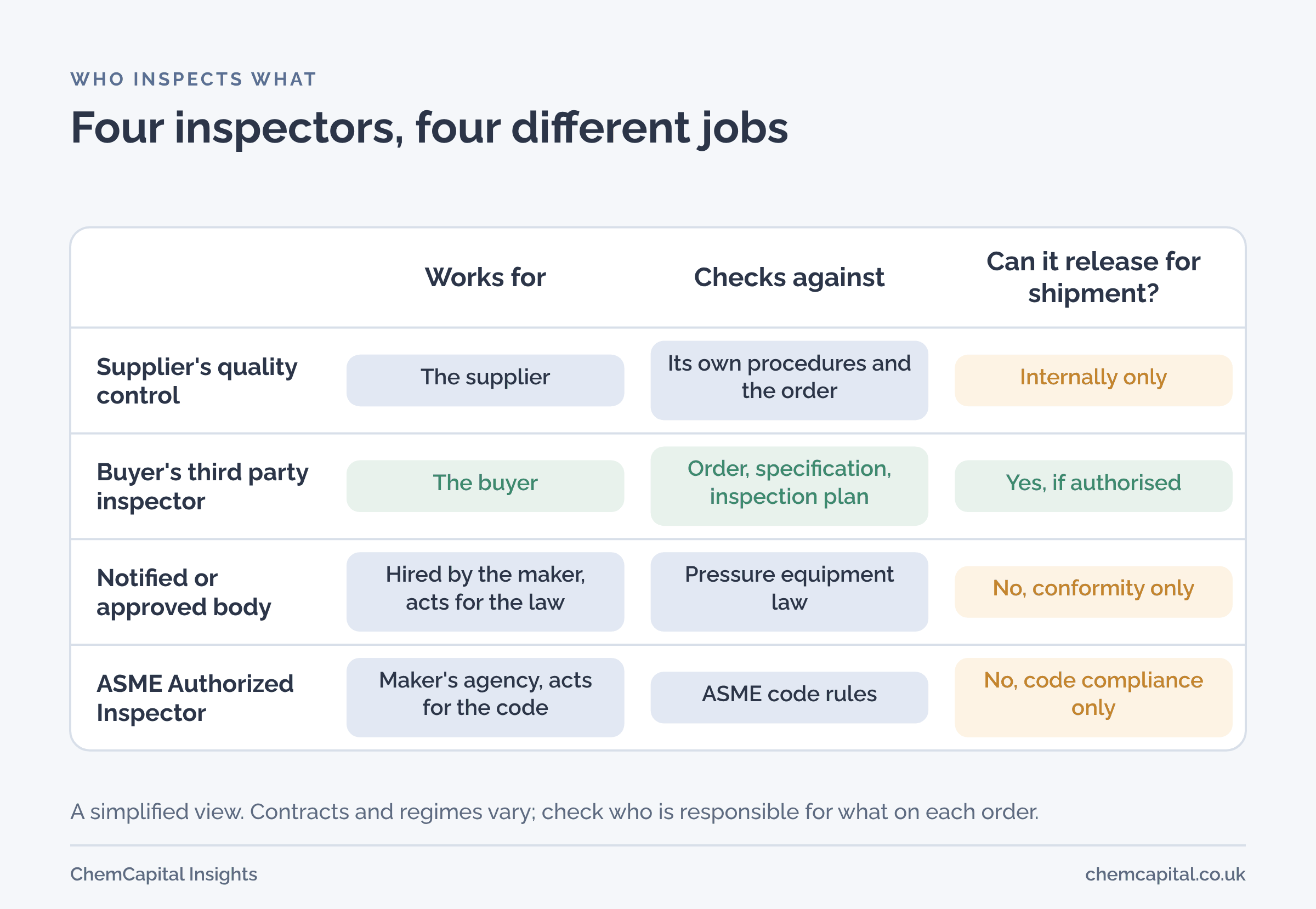
Keeping the roles apart avoids two common mistakes: assuming the notified body has checked your specification, and assuming your inspector can sign off code compliance. For pressure equipment under the European regime, notified bodies, or recognised third party organisations, approve permanent joining procedures and personnel for categories II, III and IV, with their inspector supervising the qualification tests [4]. For ASME stamped equipment, the manufacturer must have an agreement with an Authorized Inspection Agency for third party inspection under the code [5]. Neither of these replaces checks against your own datasheet, materials, finish and documents.
When to use it
| Situation | Typical inspection level |
|---|---|
| Standard catalogue items from a known supplier | Supplier's certificates and your own receiving inspection |
| Engineered items from an approved supplier, moderate criticality | Document review plus final inspection before shipment |
| Pressure equipment, critical rotating equipment, first orders from a new supplier | Kick off meeting, key witness points (materials, pressure test, performance test), final inspection and release |
| Large or high risk packages, unproven supplier, tight schedule | Frequent surveillance or a resident inspector, plus all of the above |
The levels above are a practical starting point, not a standard. Set them by asking what it would cost you if this item arrived wrong, and how hard it would be to fix on site.
How to scope the assignment
Give the agency an inspection assignment that leaves nothing to guesswork:
- The order and its documents: purchase order, datasheets, drawings, specifications and the agreed inspection and test plan, with each point marked hold, witness or review. Our guide to hold points and witness points explains the difference.
- What the inspector may decide: whether they can accept minor deviations, raise nonconformance reports, or only report; and whether they can issue the release note.
- Reporting: the format, photographs, timing (for example within 24 hours of each visit) and who receives it.
- Notice periods: how much notice the supplier must give before each inspection point, written into the purchase order as well.
- Commercial terms: day rate, travel, report writing time and cancellation charges if the supplier is not ready.
- Competence: the inspector's qualifications for the equipment type, such as welding inspection or rotating equipment experience.
Applus+, for example, says its reports are technically reviewed for completeness and correctness before issue [1]; ask for that review in your assignment too.
Practical example
In this illustrative example, a buyer orders a £420,000 heat exchanger package from a fabricator abroad that it has not used before. It hires an accredited type A inspection agency at £900 a day for four visits: a kick off meeting (one day), material and welding surveillance (one day), the hydrostatic test (one day), and final inspection with release (one and a half days). That is 4.5 days, or £4,050, plus £1,600 travel: £5,650 in all, about 1.3% of the order value.
At the material visit, the inspector finds that two nozzle forgings carry certificates for a different heat from the one stamped on the parts. The fabricator quarantines them and orders replacements before they are welded in. At the final inspection, the inspector checks the data book against the inspection and test plan, confirms the nameplate and preservation, and issues the release note. Without the material visit, the wrong forgings would have been found, at best, during the buyer's review of the data book after delivery.
Where ChemCapital fits
Third party inspection works best when everyone shares the same dates and records. ChemCapital lets buyers issue formal purchase orders in the platform, suppliers confirm with their own references and dates and post milestone updates, each order has its own message thread, and interactions and decisions are logged with timestamps and the person who made them, which keeps inspection dates, notices and outcomes with the order they belong to. See how it works.
Ready to keep inspection milestones and decisions in one record for every order? Start a free 14 day ChemCapital trial, with no credit card needed.
Frequently asked questions
What does a third party inspection agency do?
It sends inspectors to a supplier's works on the buyer's behalf to attend agreed inspection points, witness tests, review documents and carry out a final inspection, then reports back and, if authorised, issues a release note. It works to the buyer's purchase order and inspection and test plan.
Is a third party inspector the same as a notified body?
No. A notified body assesses conformity with legal requirements such as the Pressure Equipment Directive, and an ASME Authorized Inspector checks compliance with the ASME code. A third party inspector hired by the buyer checks compliance with the buyer's own order and specification.
What accreditation should a third party inspection agency have?
Look for accreditation to ISO/IEC 17020 for the relevant type of inspection, from a national accreditation body such as UKAS. Type A bodies are fully independent of the item inspected.
Informational only, not procurement or legal advice. Cited names, frameworks, and statistics belong to their respective owners.
Create and manage RFQs in minutes
ChemCapital handles the entire procurement cycle, from structured RFQs and supplier comparisons to formal purchase orders and delivery tracking.
Start for freeRelated articles
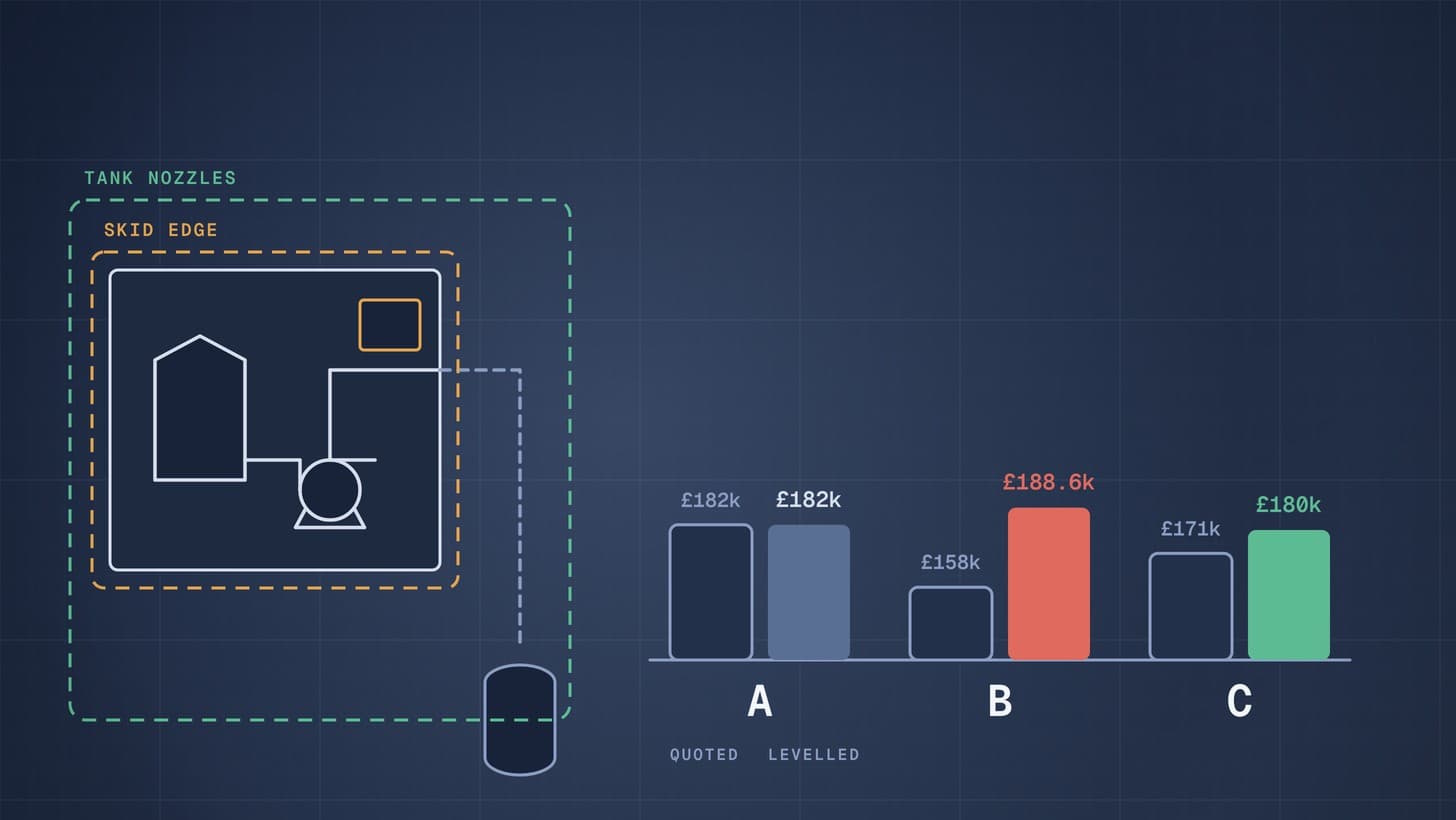
Battery Limits, Terminal Points and Scope of Supply in Equipment Quotes
What battery limits, terminal points and scope of supply mean, how gaps between them make quotes look cheaper than they are, and a terminal point schedule you can put in every RFQ.
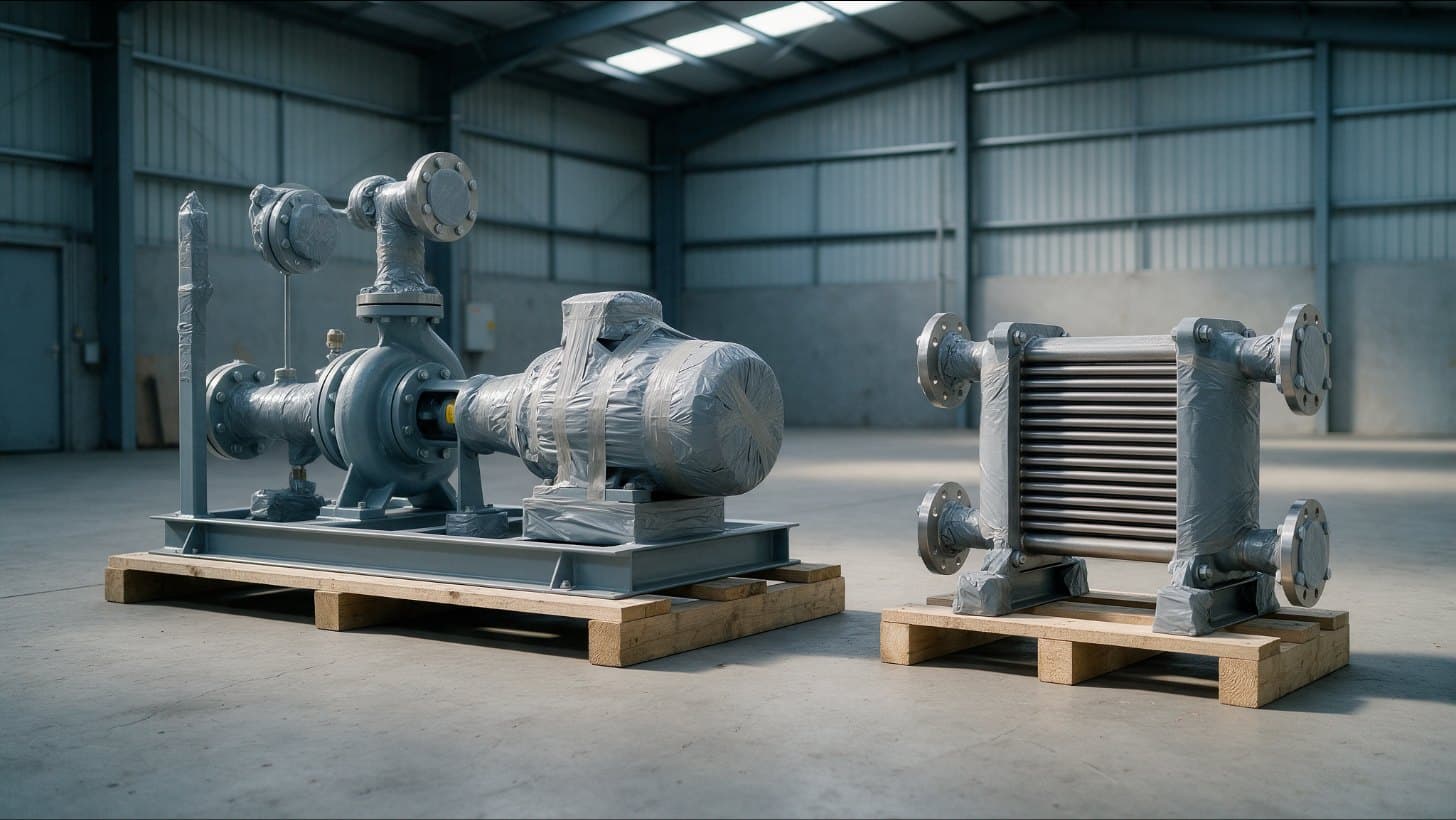
Preservation and Storage of Process Equipment Before Start Up
How to keep pumps, motors, skids and vessels in good condition between delivery and start up: what to put in the order, storage conditions, shaft rotation, insulation checks and a preservation log.
Liquidated Damages for Late Equipment Delivery: Rates, Caps and a Worked Example
How liquidated damages for late delivery work in equipment contracts: how UK courts treat them, how to set the rate and cap, what the clause must say, and a worked example with Orgalim terms.