
33 articles
Contracts & Post Award
Articles on contracts & post award for industrial procurement teams.
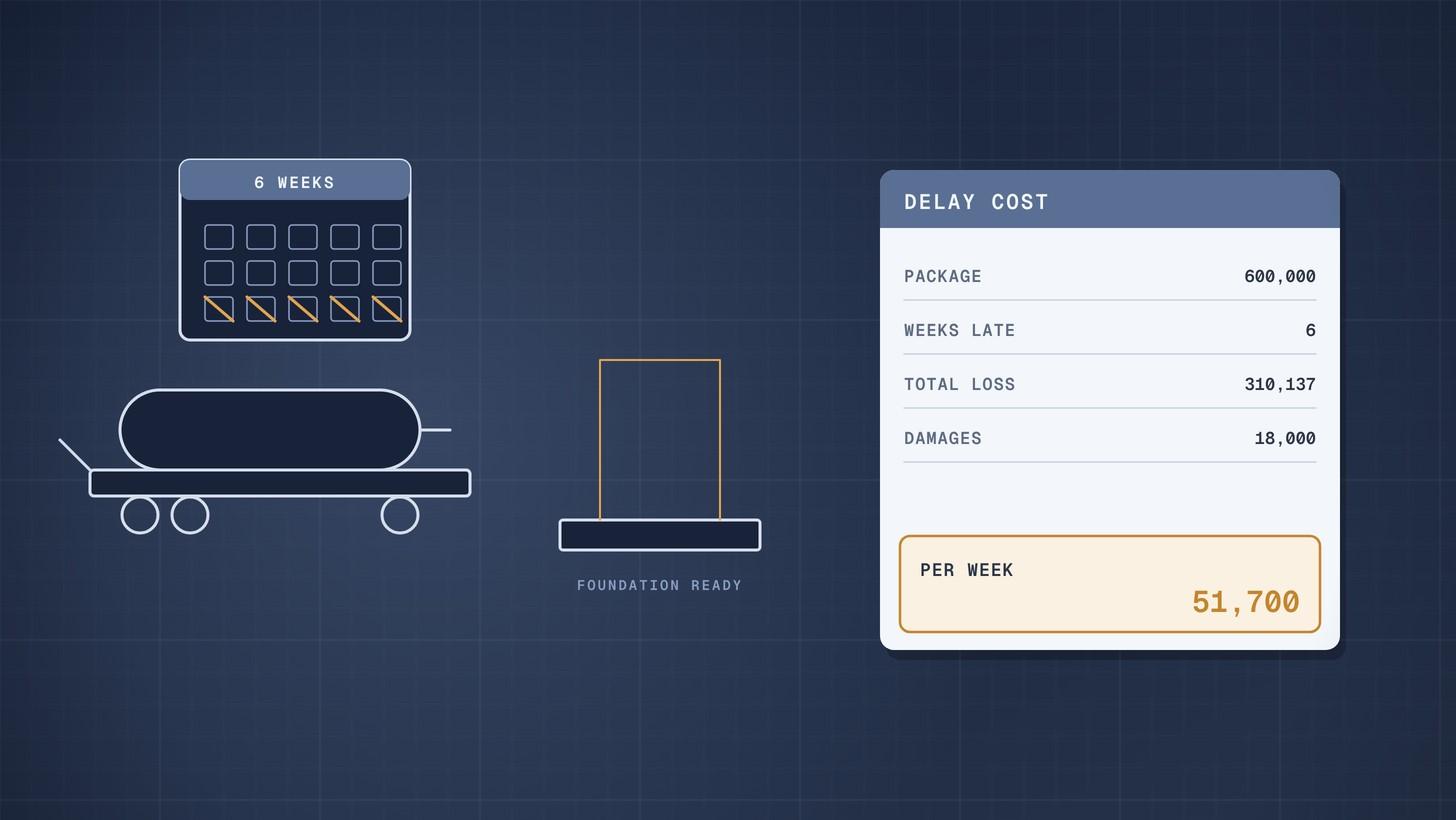
Cost of Late Equipment Delivery: Worked Example
How to calculate the weekly cost of late equipment delivery, compare it with liquidated damages and use it to set a damages rate a supplier can accept.
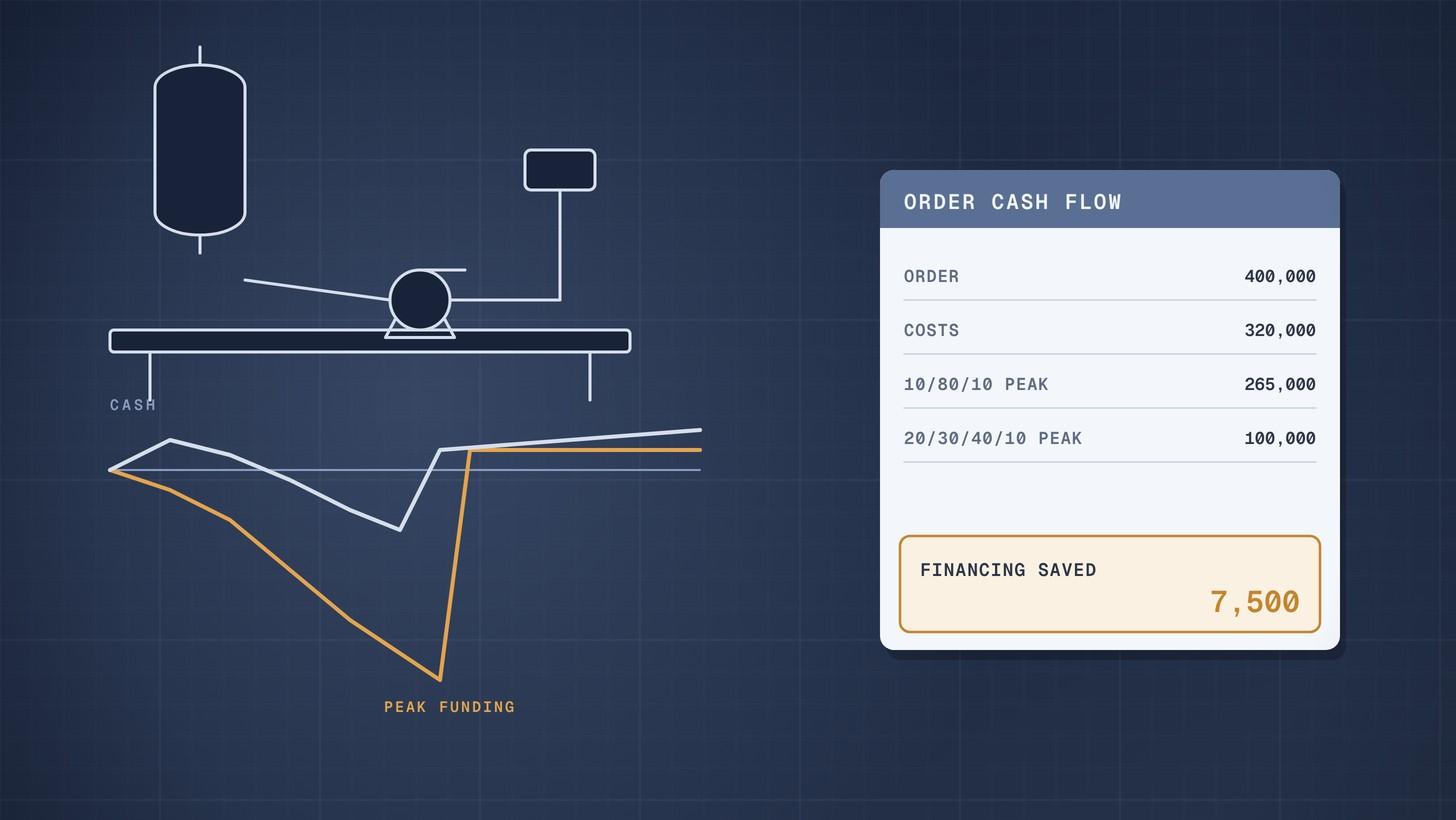
Payment Milestones and Supplier Cash Flow: Worked Example
How payment milestones, bonds and retention shape an equipment supplier's cash curve, with a worked example comparing two schedules on a £400,000 order.
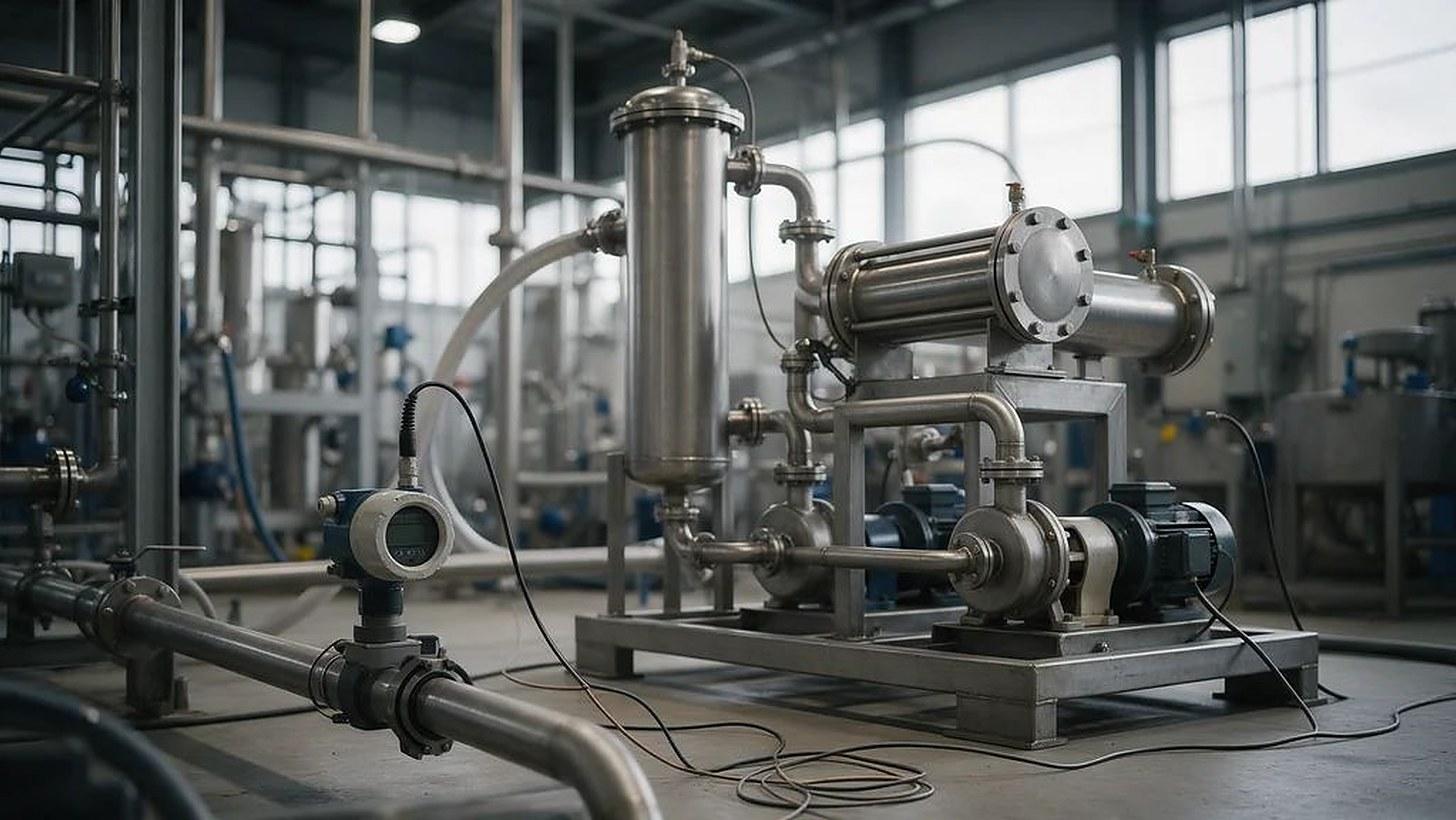
Performance Guarantees and Performance Tests for Process Packages
What a process package supplier should guarantee, how the performance test is run, and what happens when the plant falls short, with a worked example of performance liquidated damages.
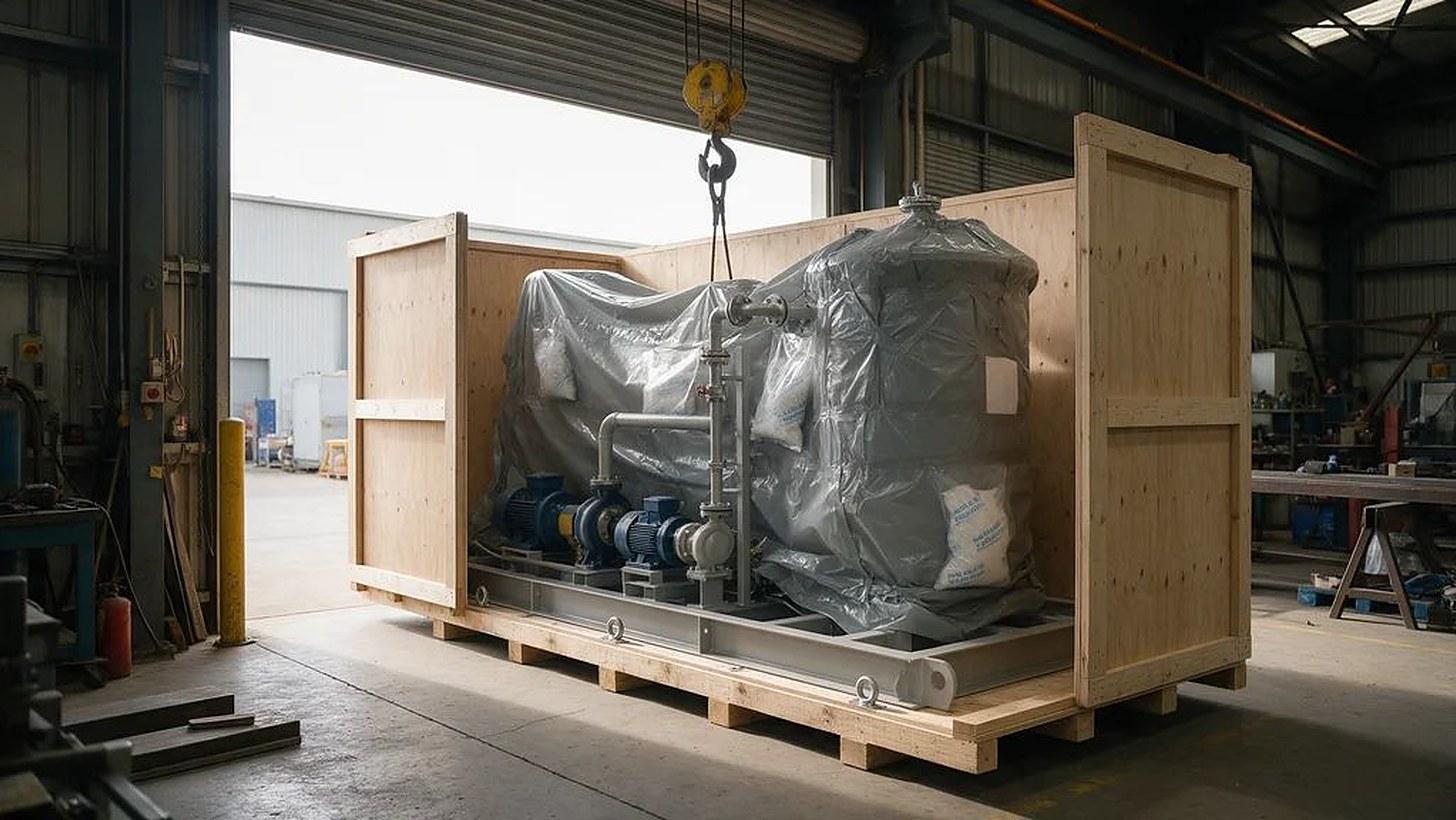
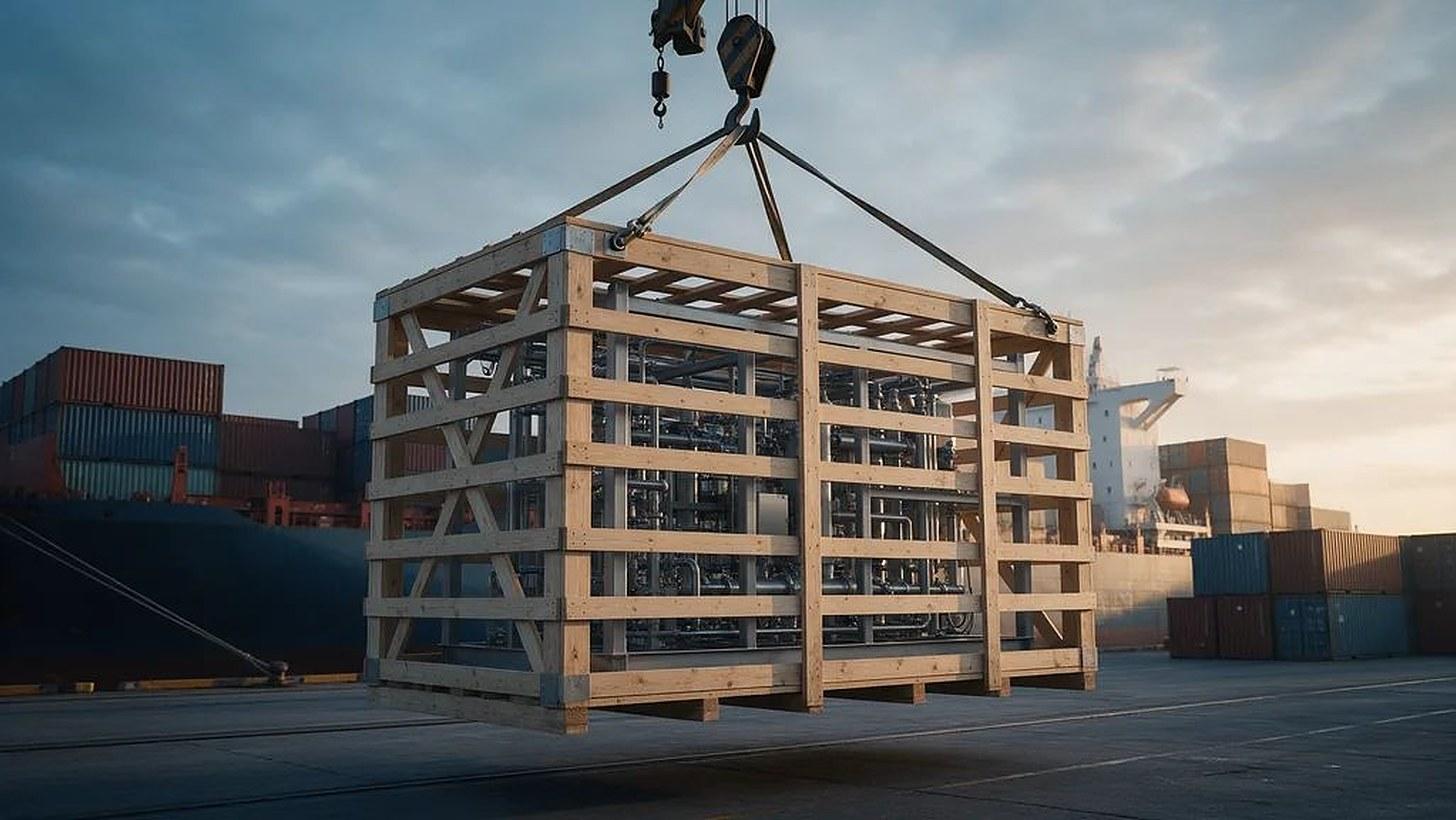
Packing and Shipping Specification for Process Equipment: Seaworthy Crates, ISPM 15 and Marking
What a packing specification for process equipment should say: packing levels, ISPM 15 wood, barrier foil and desiccant, lifting points, shipping marks and documents. With a worked crate example.
Payment Terms and Letters of Credit for Equipment Exporters
How equipment exporters secure payment: advance payments and guarantees, confirmed letters of credit under UCP 600, avoiding discrepant documents, retentions, and UK Export Finance support for bonds and working capital.
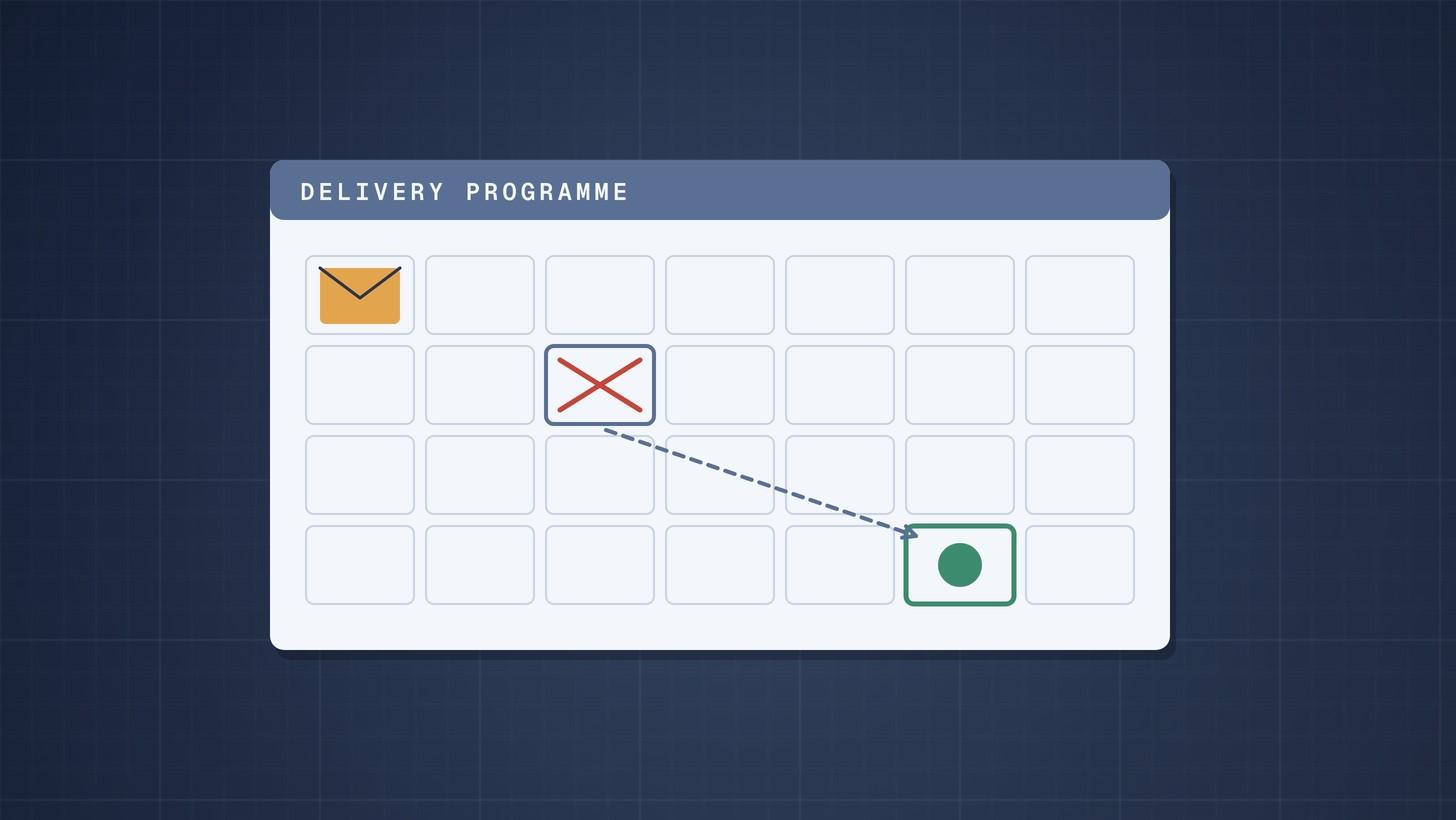
Delivery Delay Letter: How Equipment Suppliers Tell a Customer Early and Limit Liquidated Damages
How an equipment supplier should notify a customer of a late delivery: notice clauses, excusable delay, what to put in the letter, a template, and how early notice limits liquidated damages.
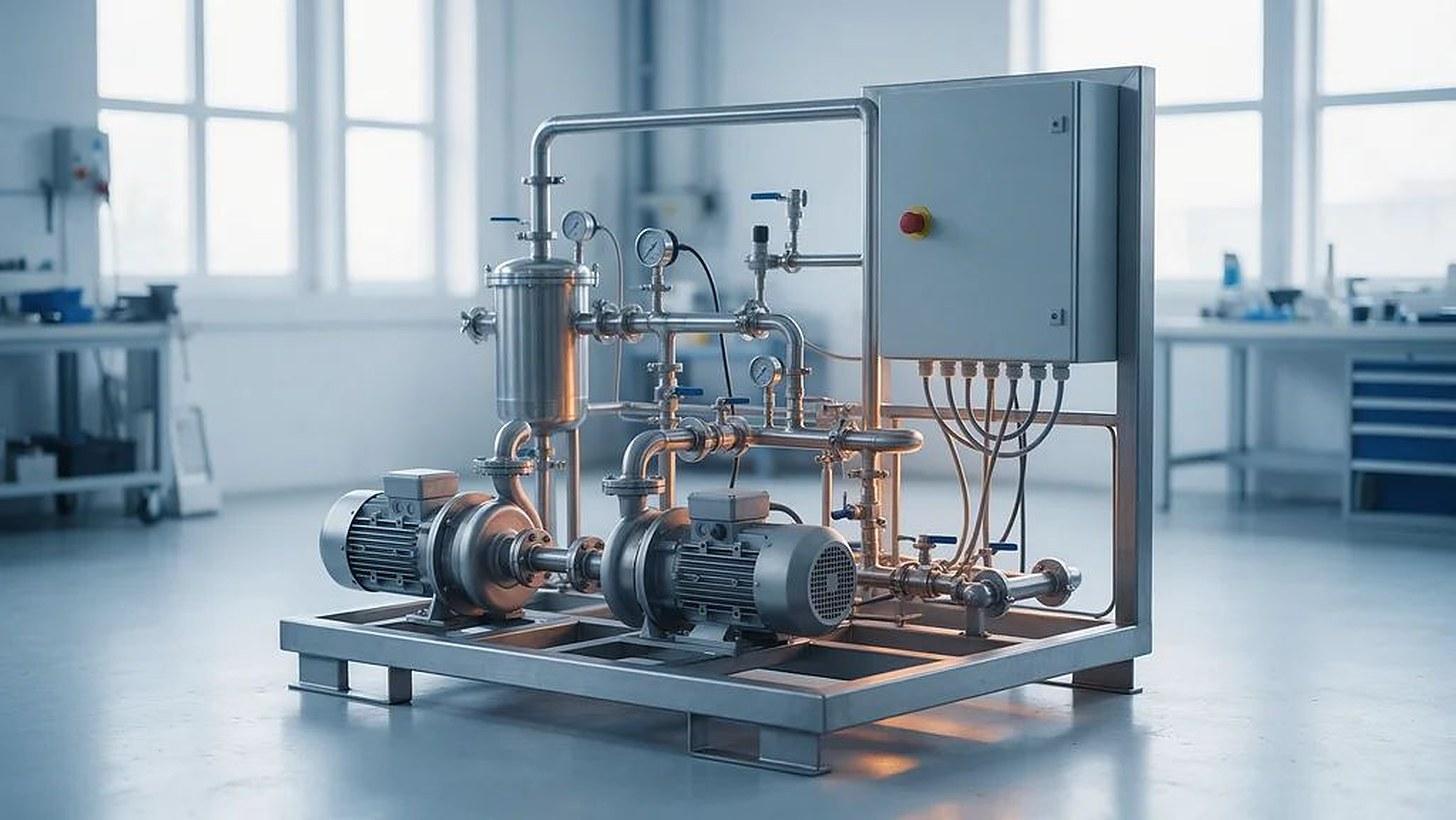
CE Marking a Process Skid: The Technical File, Step by Step
What goes in the technical file to CE mark a process skid under the Machinery Directive, how to build it for an assembly of machinery, and what changes when the Machinery Regulation applies from January 2027.
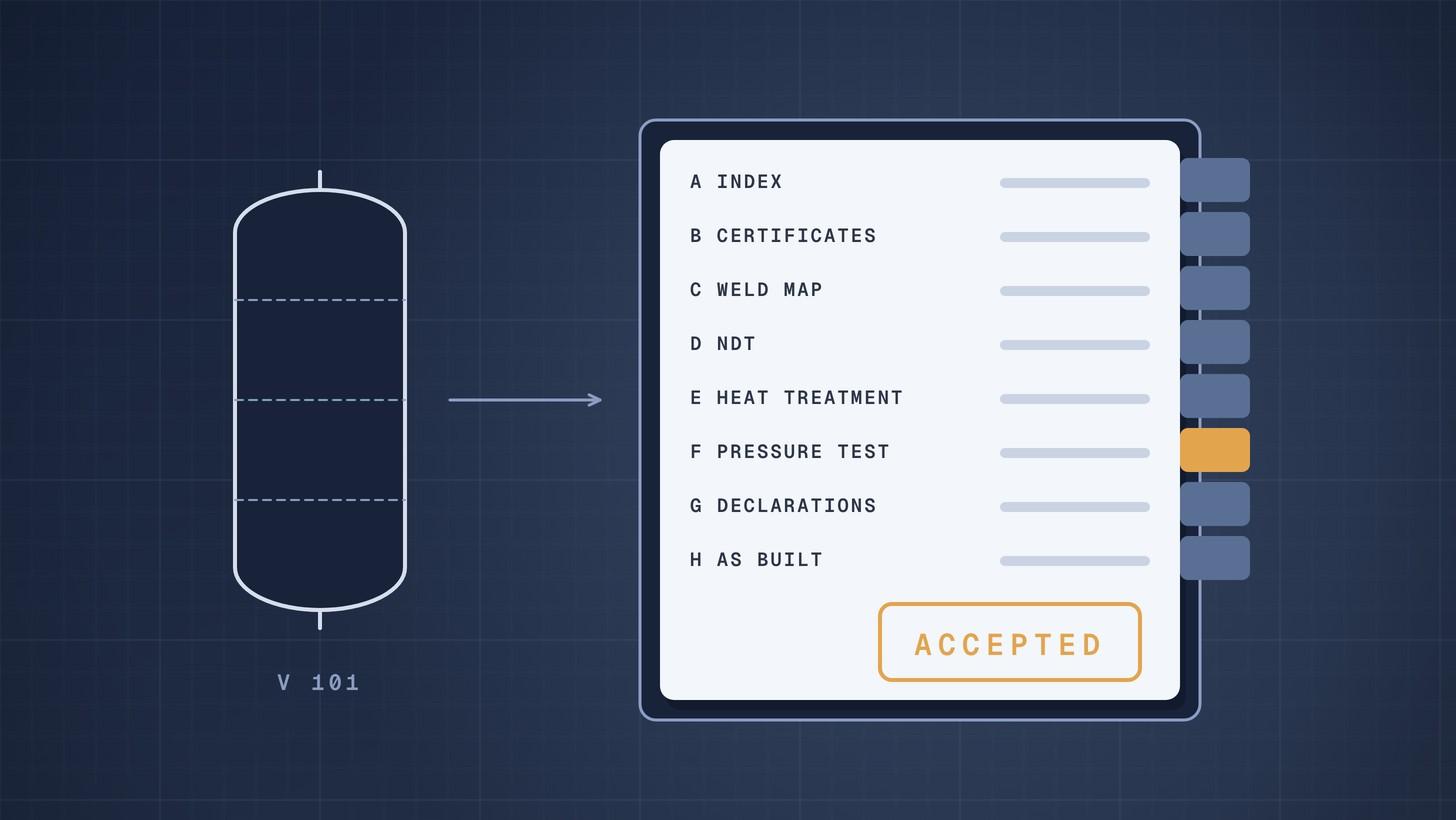
Manufacturer's Data Book for Vessels and Skids: Compile It So You Get Paid
The final payment on many equipment orders waits for the data book. Here is what it contains, how to build it during fabrication, and how to get it accepted first time.
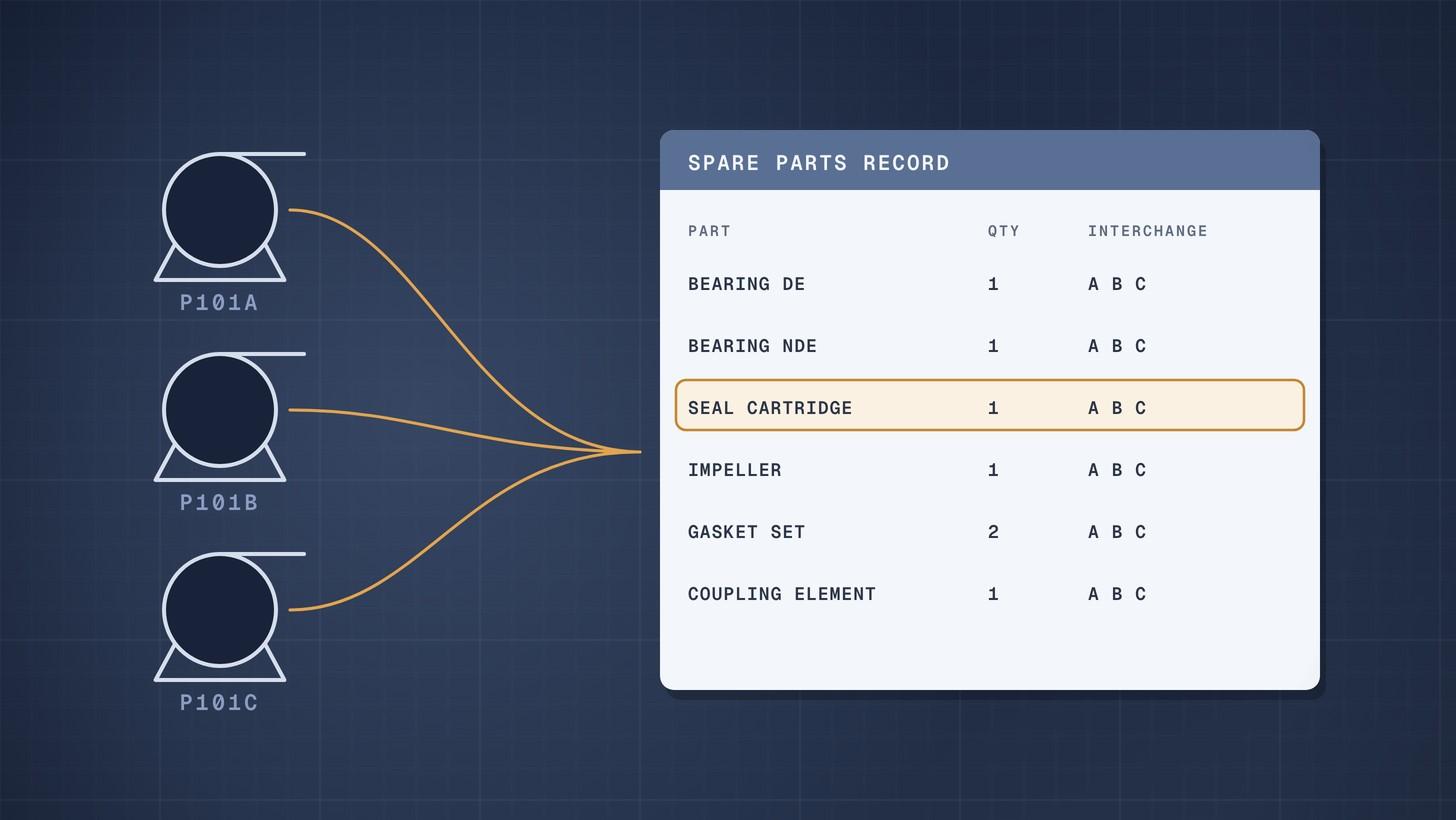
SPIR Form: The Spare Parts Interchangeability Record Explained
The SPIR is the supplier's list of every spare part for the equipment you bought, tag by tag, with interchangeability, prices and lead times. Here is how to use it.
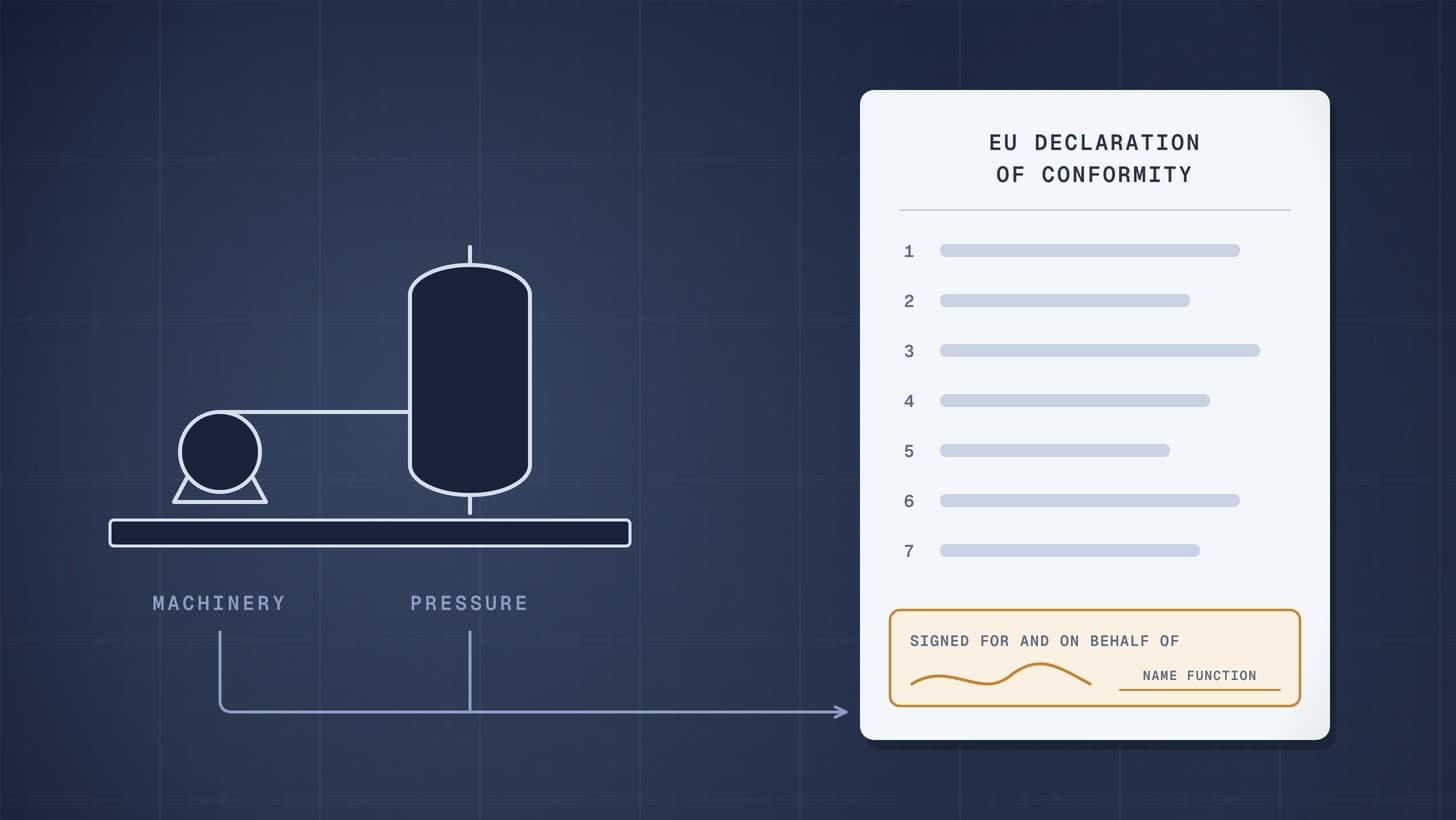
EU Declaration of Conformity for Machinery and Pressure Equipment: Contents and Template
What an EU declaration of conformity must contain under the Machinery Directive, the Machinery Regulation and the PED, who signs it, how long to keep it, and a template for a process skid.
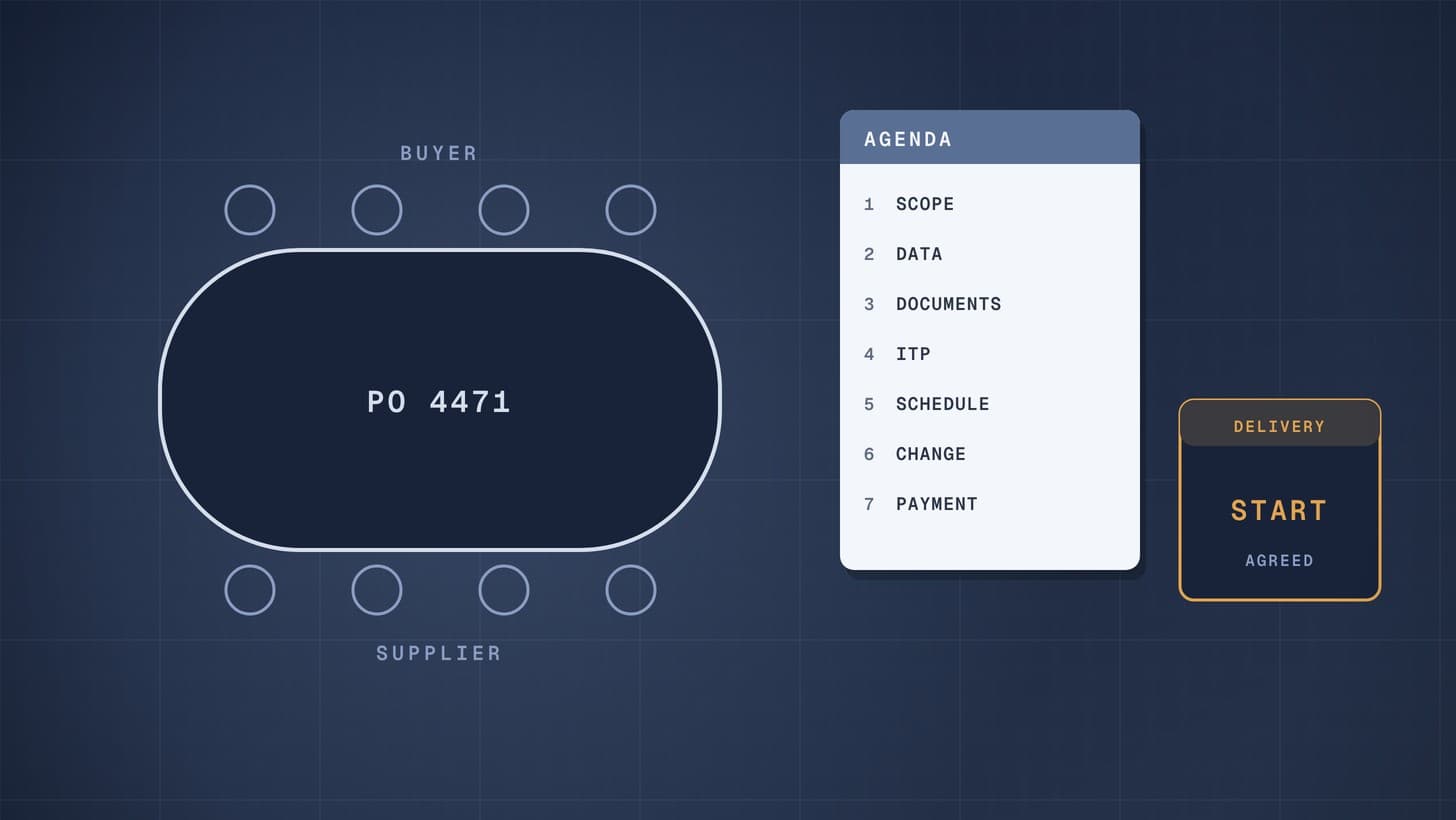
Equipment Order Kick Off Meeting: Agenda and Checklist
An agenda and checklist for the post order kick off meeting on engineered equipment: scope, data, documents, ITP and hold points, schedule, change control and payment.
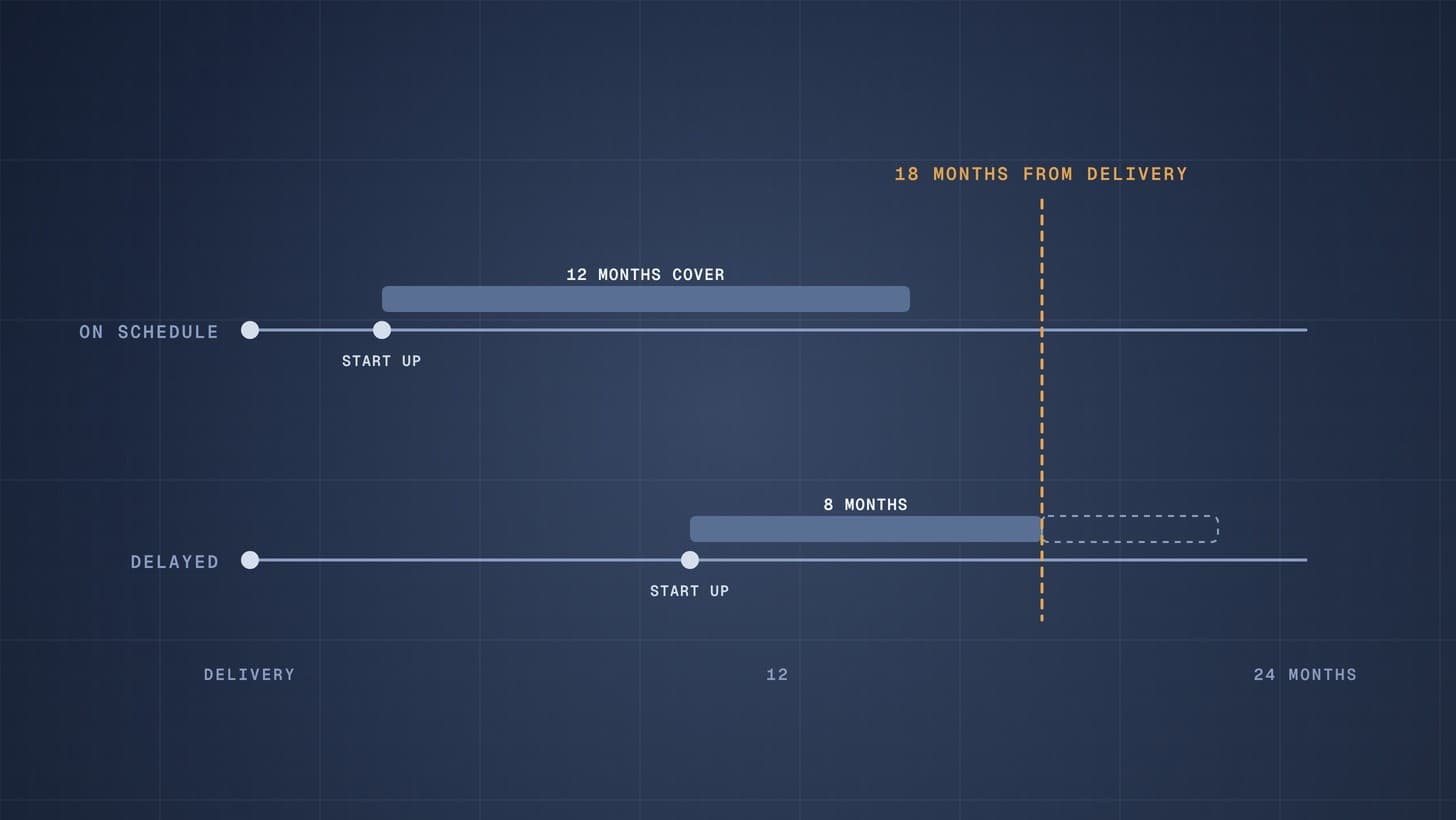
Equipment Warranty Terms: 12 Months From Start Up or 18 From Delivery
How engineered equipment warranties are structured, what counts as start, warranty on repaired parts, exclusions, process guarantees, and what UK law adds when the contract is silent.
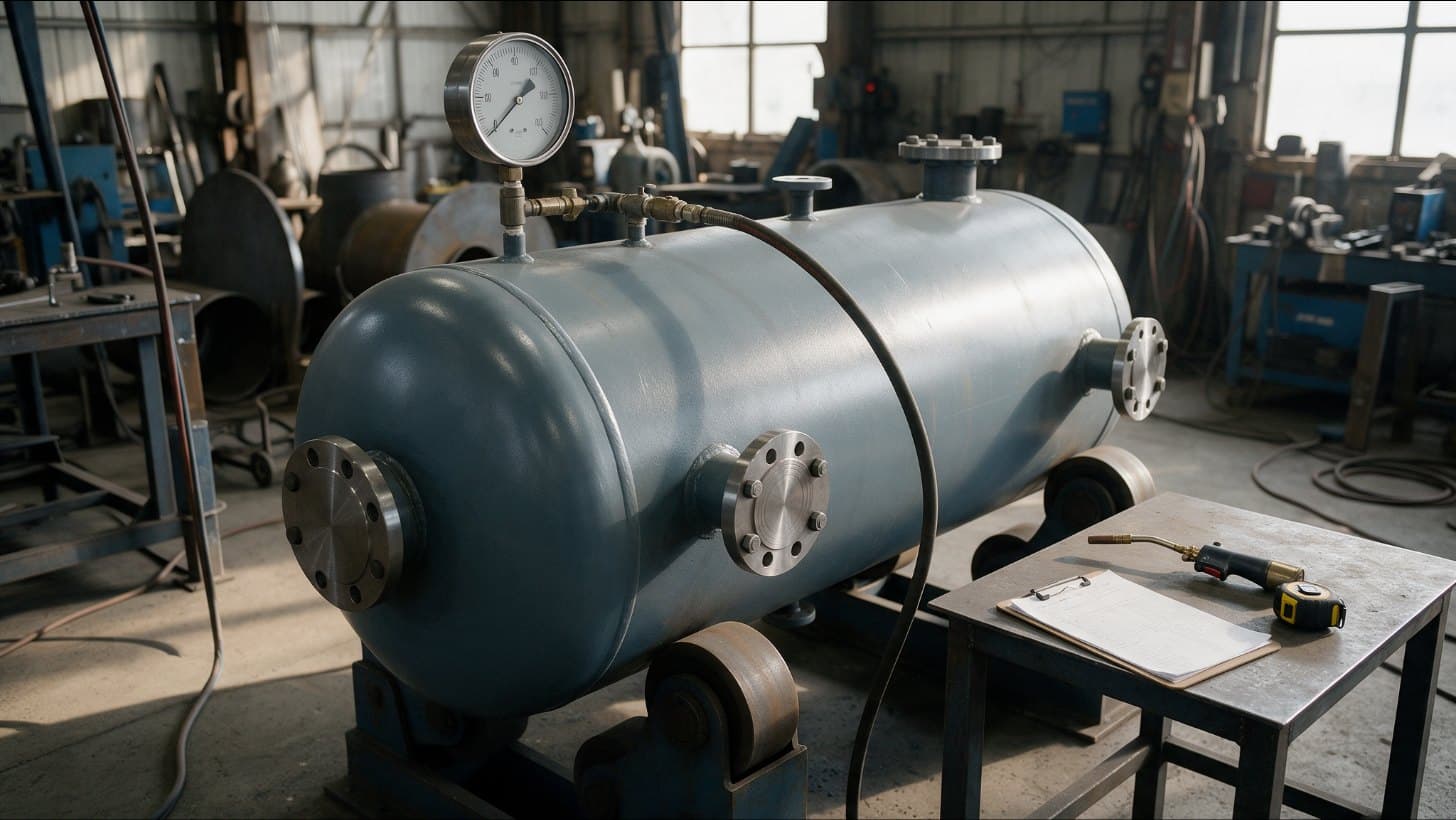
Third Party Inspection for Process Equipment: When to Use It and How to Scope It
What a third party inspector does at your supplier's works, how it differs from a notified body or code inspector, how to pick an accredited agency, and how to scope and price the assignment.
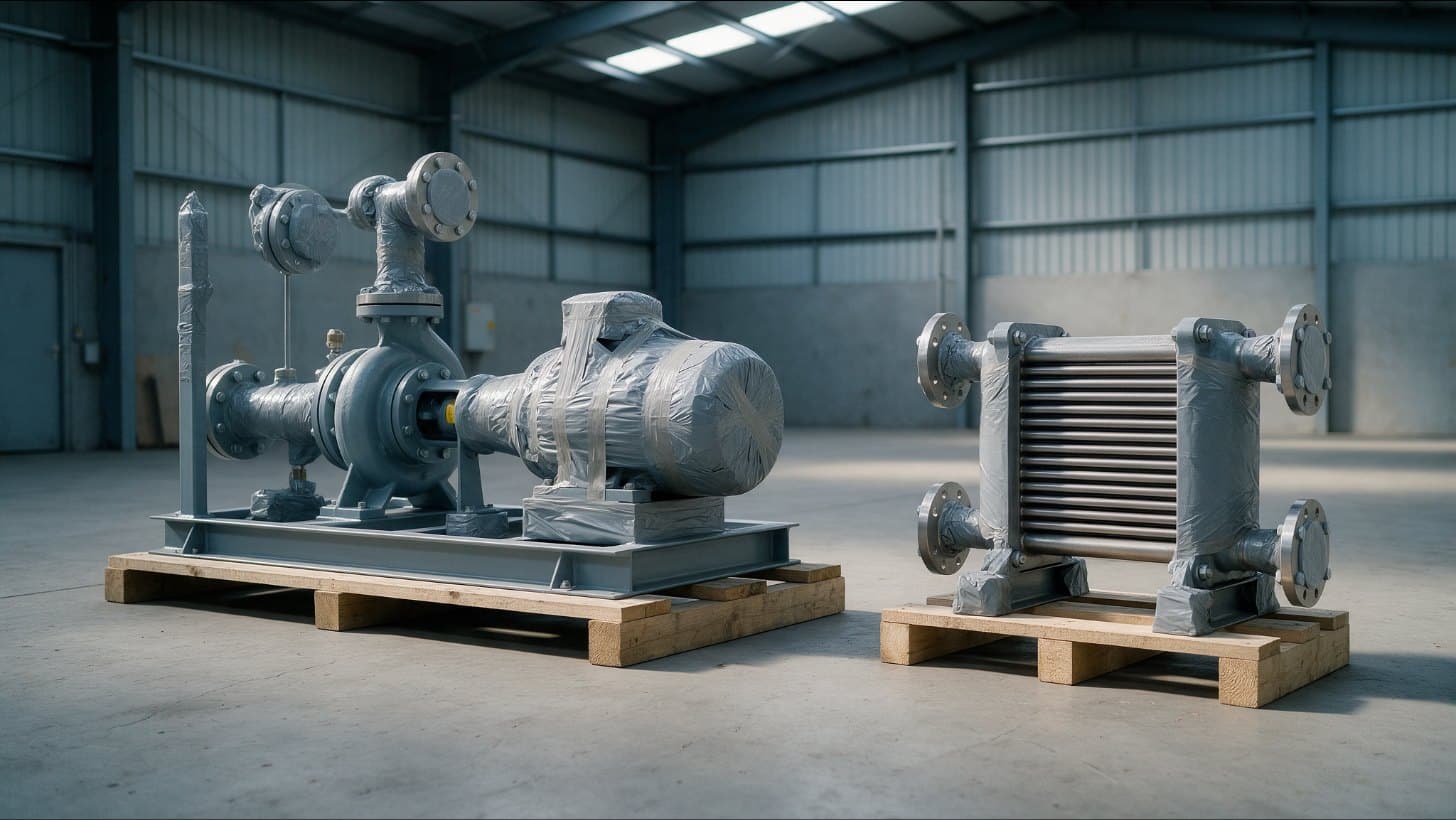
Preservation and Storage of Process Equipment Before Start Up
How to keep pumps, motors, skids and vessels in good condition between delivery and start up: what to put in the order, storage conditions, shaft rotation, insulation checks and a preservation log.
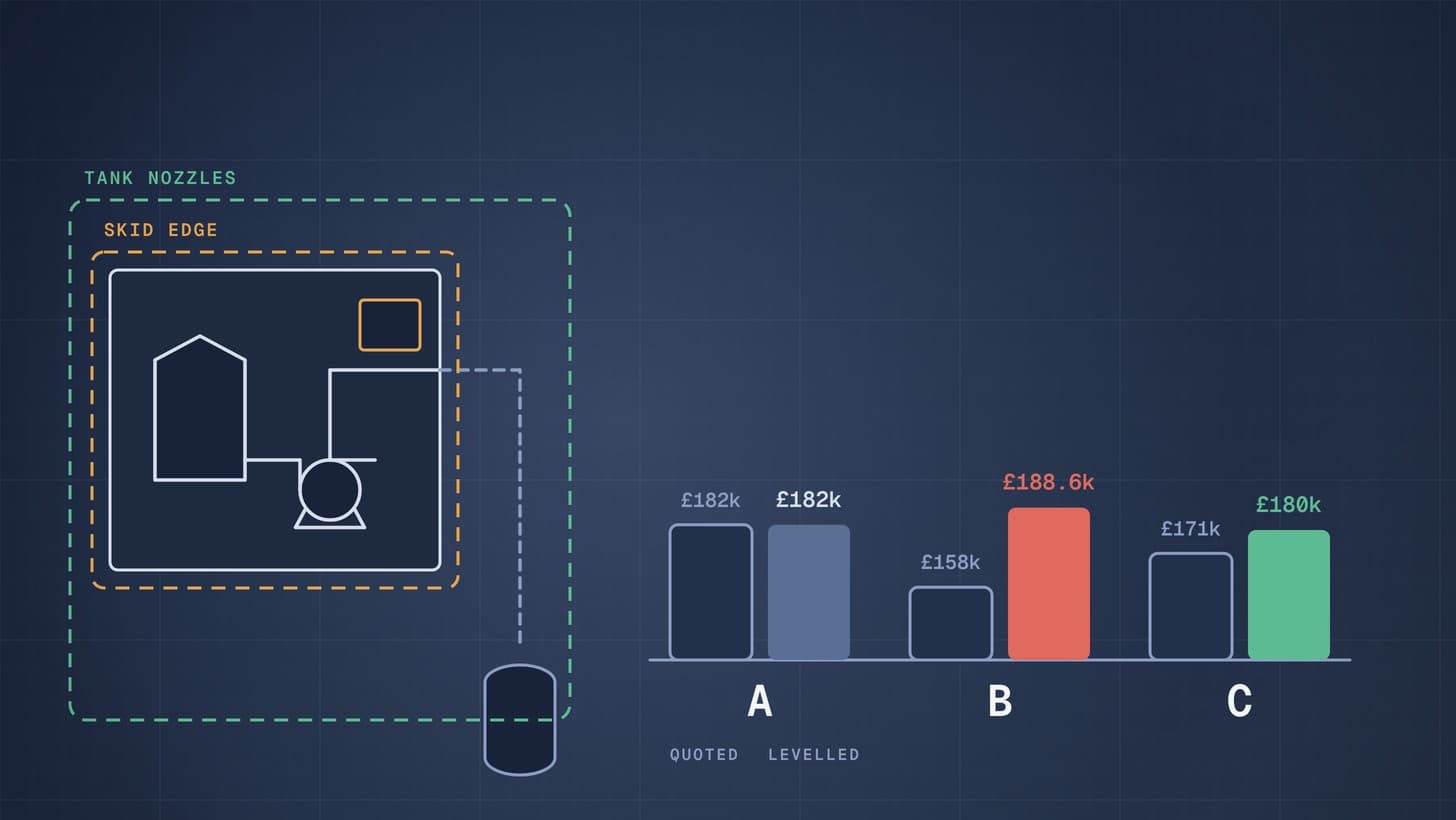
Battery Limits, Terminal Points and Scope of Supply in Equipment Quotes
What battery limits, terminal points and scope of supply mean, how gaps between them make quotes look cheaper than they are, and a terminal point schedule you can put in every RFQ.
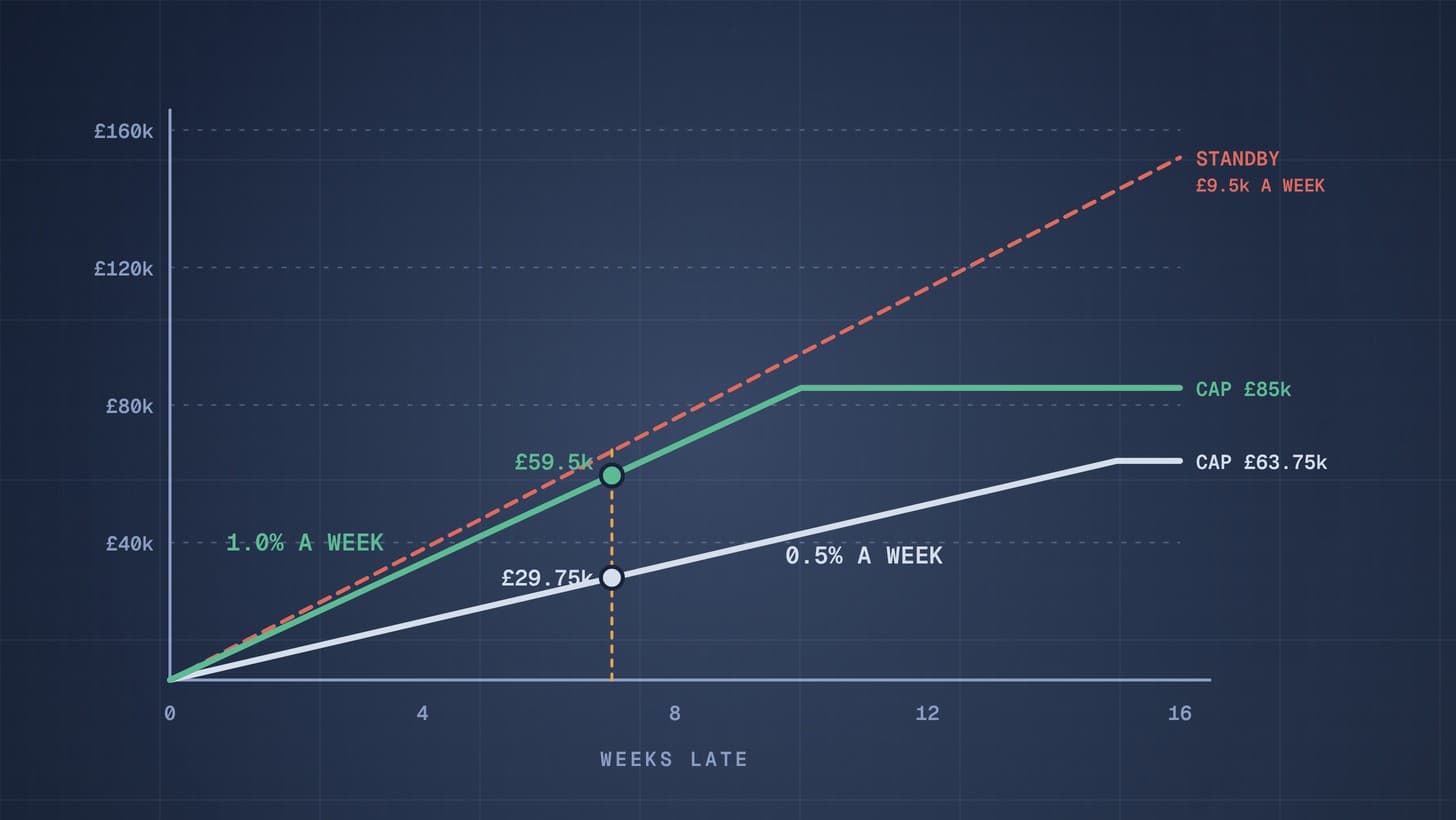
Liquidated Damages for Late Equipment Delivery: Rates, Caps and a Worked Example
How liquidated damages for late delivery work in equipment contracts: how UK courts treat them, how to set the rate and cap, what the clause must say, and a worked example with Orgalim terms.

Purchase Order Terms for Capital Equipment, Clause by Clause
The clauses that decide who pays when equipment is late, fails a test or breaks in year two, with what to check and where suppliers usually push back.
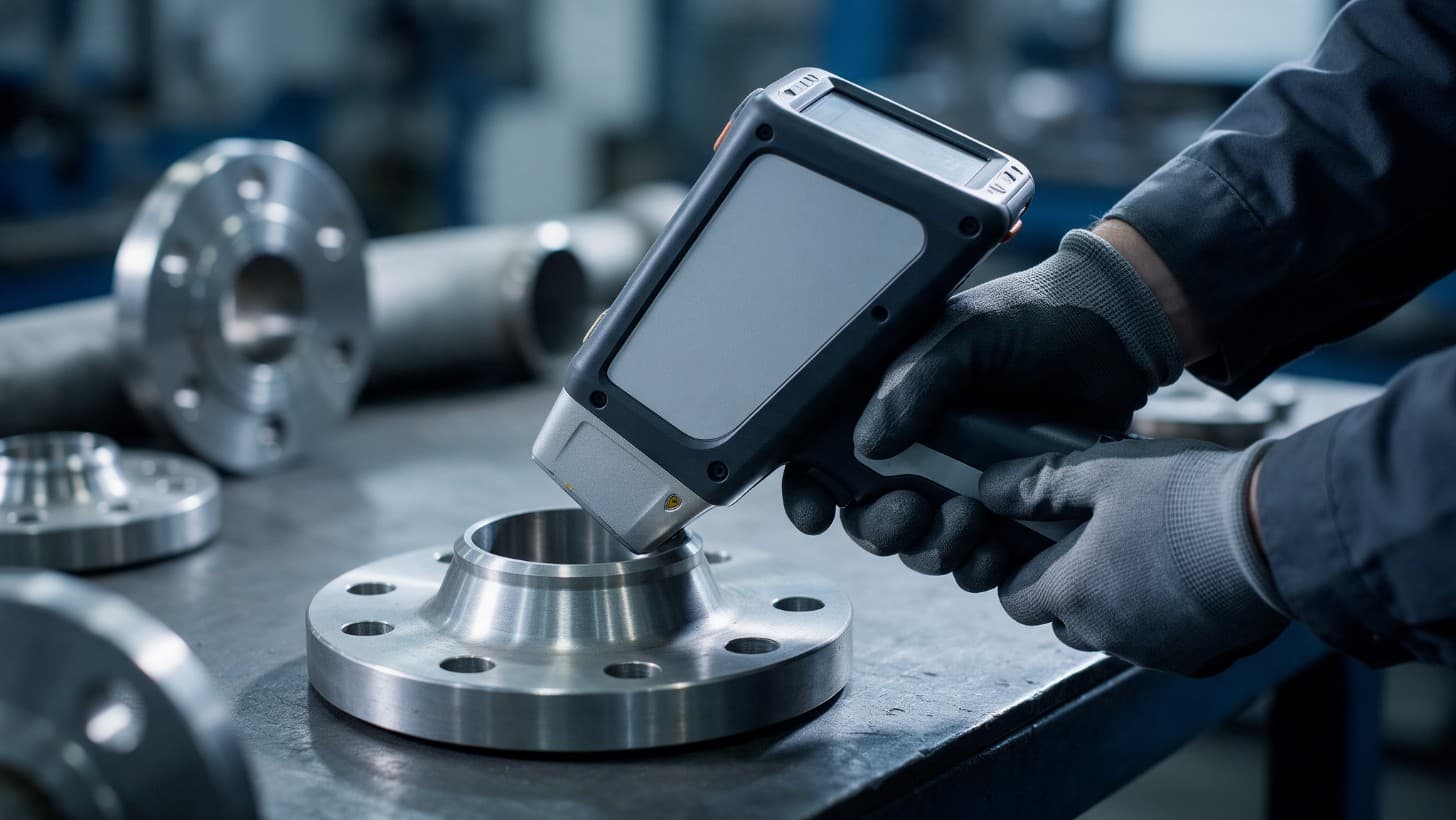
PMI Testing: When to Require It on a Purchase Order
What positive material identification can and cannot detect, when to require it, how much to test, and how to write PMI into a purchase order and inspection plan.

Change Orders and Variations on Equipment Orders
How changes happen on engineered equipment orders after award, how to request, price and approve them, and how buyers and suppliers both stay protected.

EPC vs EPCM: Who Buys the Equipment?
How EPC and EPCM contracts differ, who places equipment orders under each, where cost and schedule risk sit, and what it means for owners, suppliers and long lead items.

Vendor Document Requirement List (VDRL): What to Ask For and When
What a vendor document requirement list is, which documents to ask for at each stage from bid to data book, review codes, and how to put it in the RFQ so it gets priced.
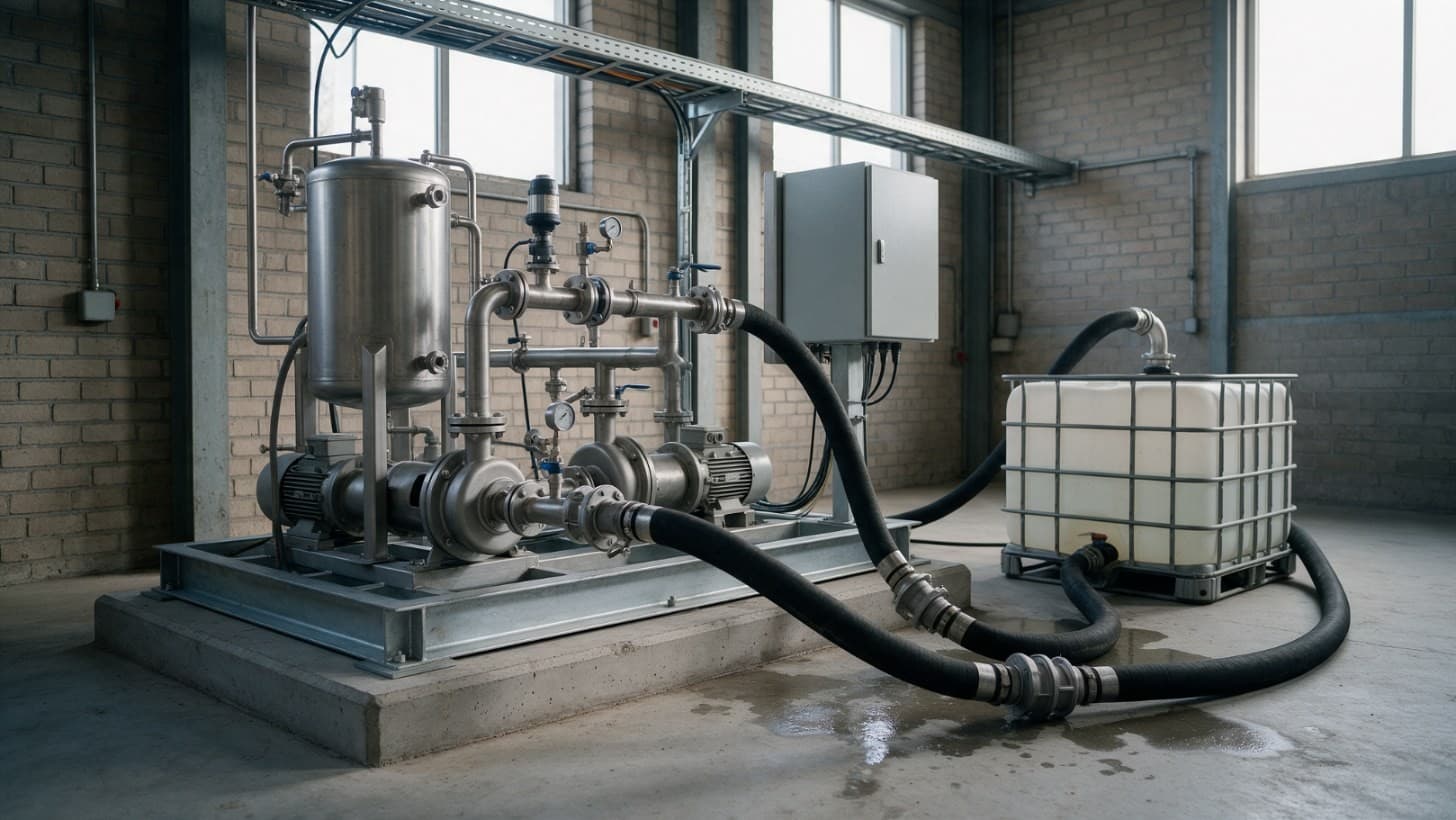
Site Acceptance Test (SAT) Checklist for Process Skids
What a site acceptance test must prove once a skid is installed, how SAT differs from FAT and commissioning, a full SAT checklist and how to handle failed tests.
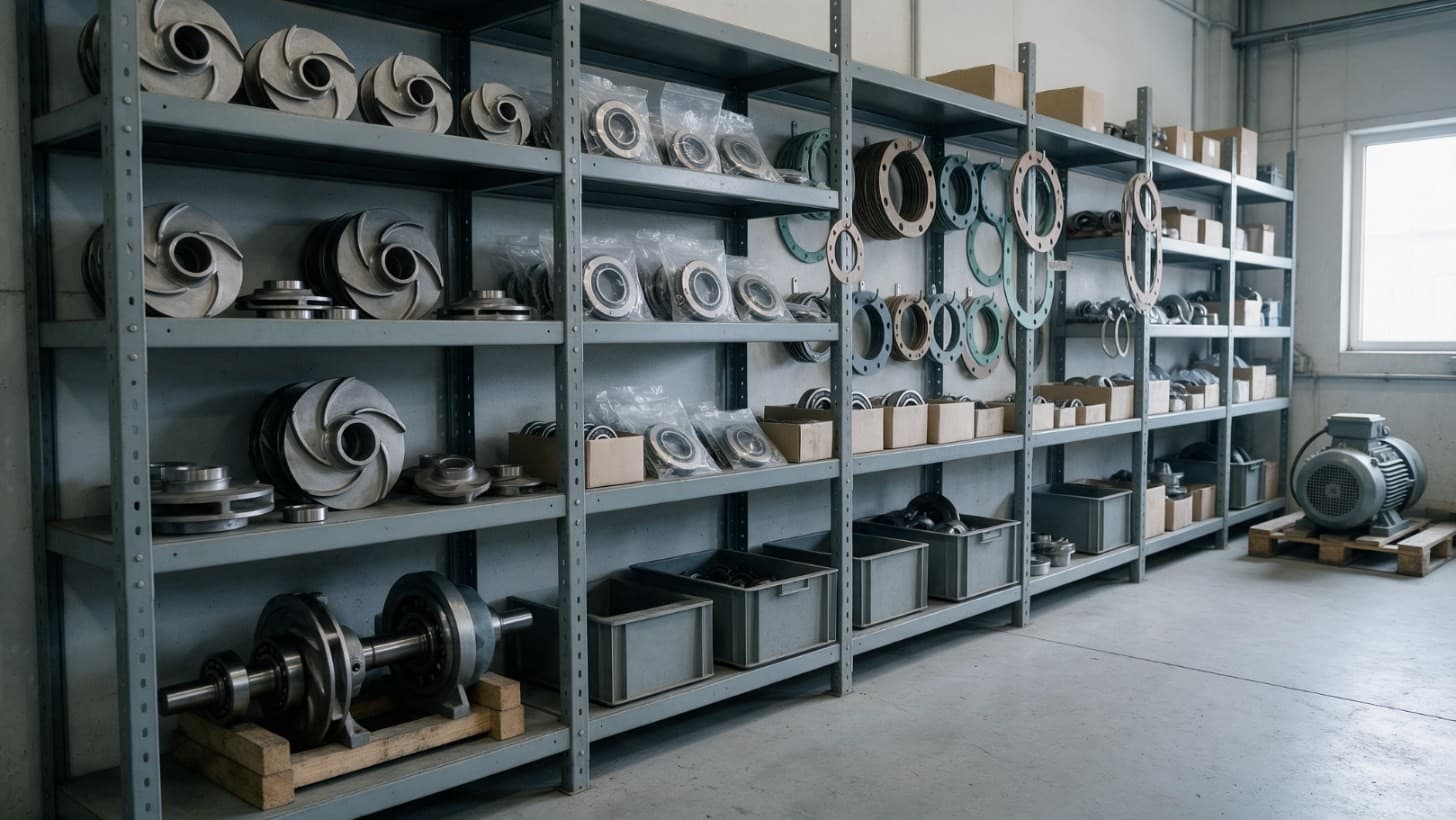
Recommended Spares List: Commissioning, Operating and Insurance Spares
What a recommended spares list should hold: commissioning, two year operating and insurance spares, criticality, what to ask in the RFQ, and a pump and vessel template.
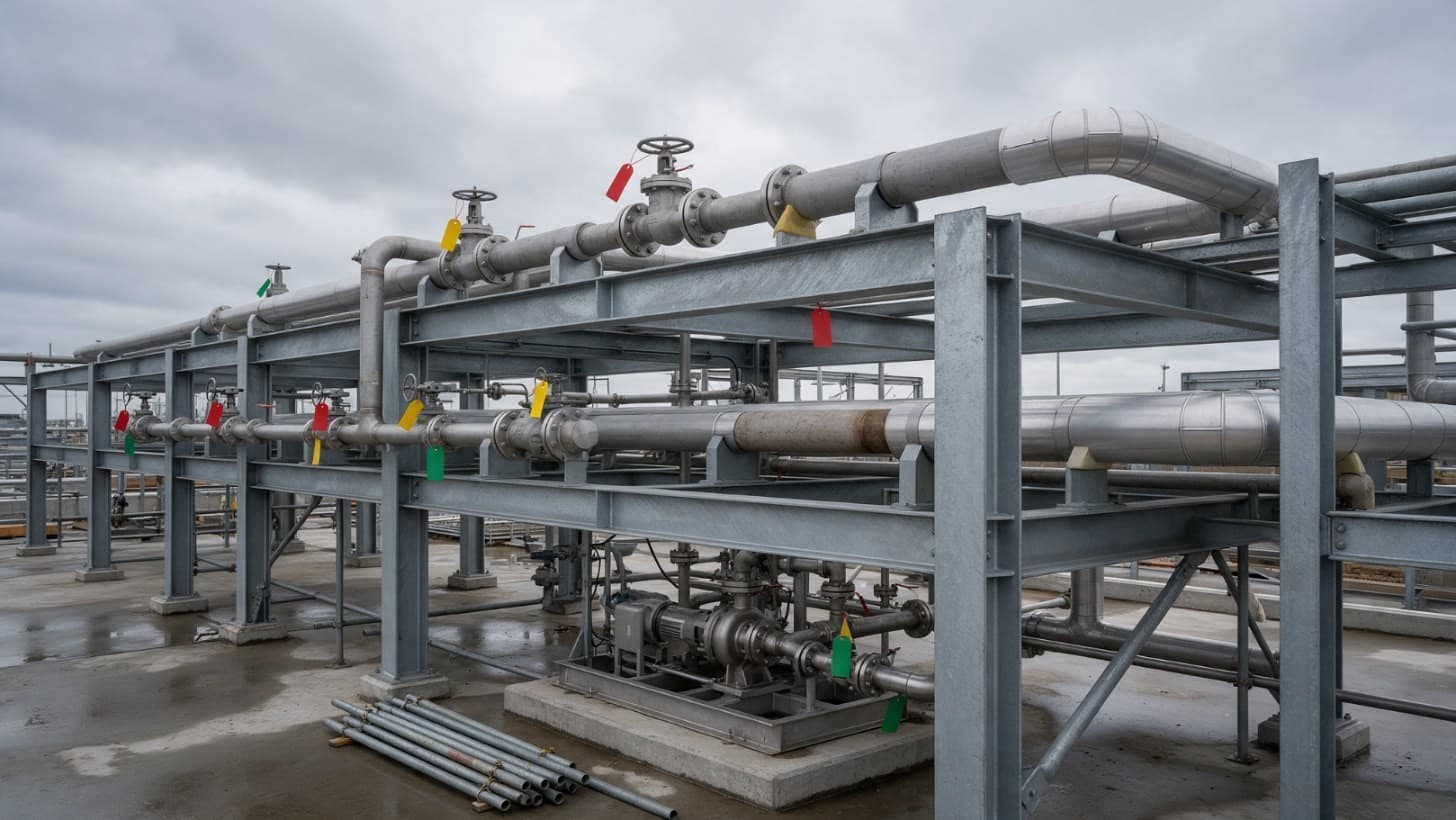
Punch List Categories and Mechanical Completion for Process Plant
What a punch list is, how category A, B and C items gate mechanical completion, start up and handover, who clears them, and a template for vendor equipment packages.
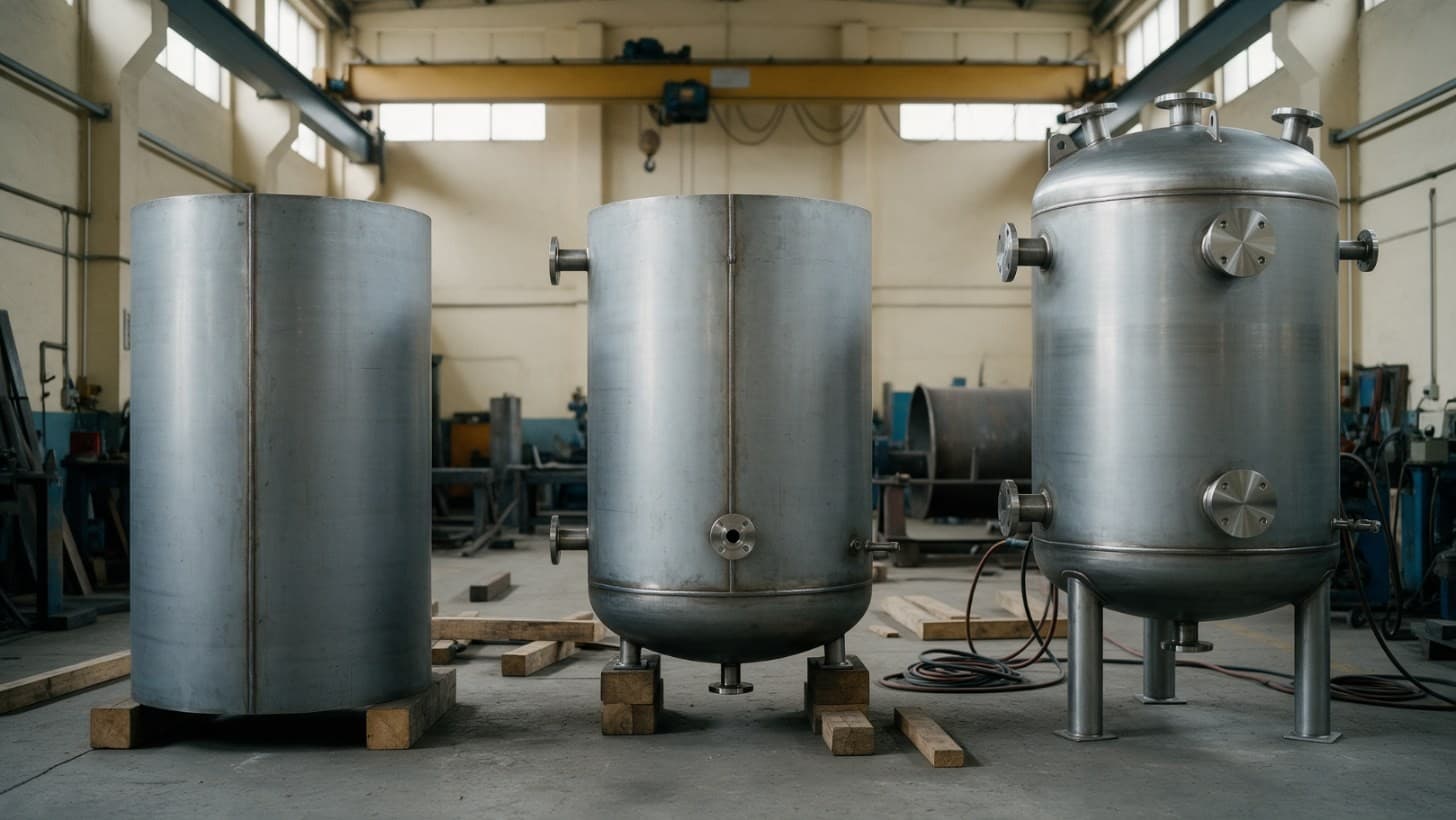
Payment Milestones, Retention and Bonds on Process Equipment Orders
How to tie payment milestones to evidence on process equipment orders, when to hold retention, and what advance payment guarantees, bonds and PCGs secure.
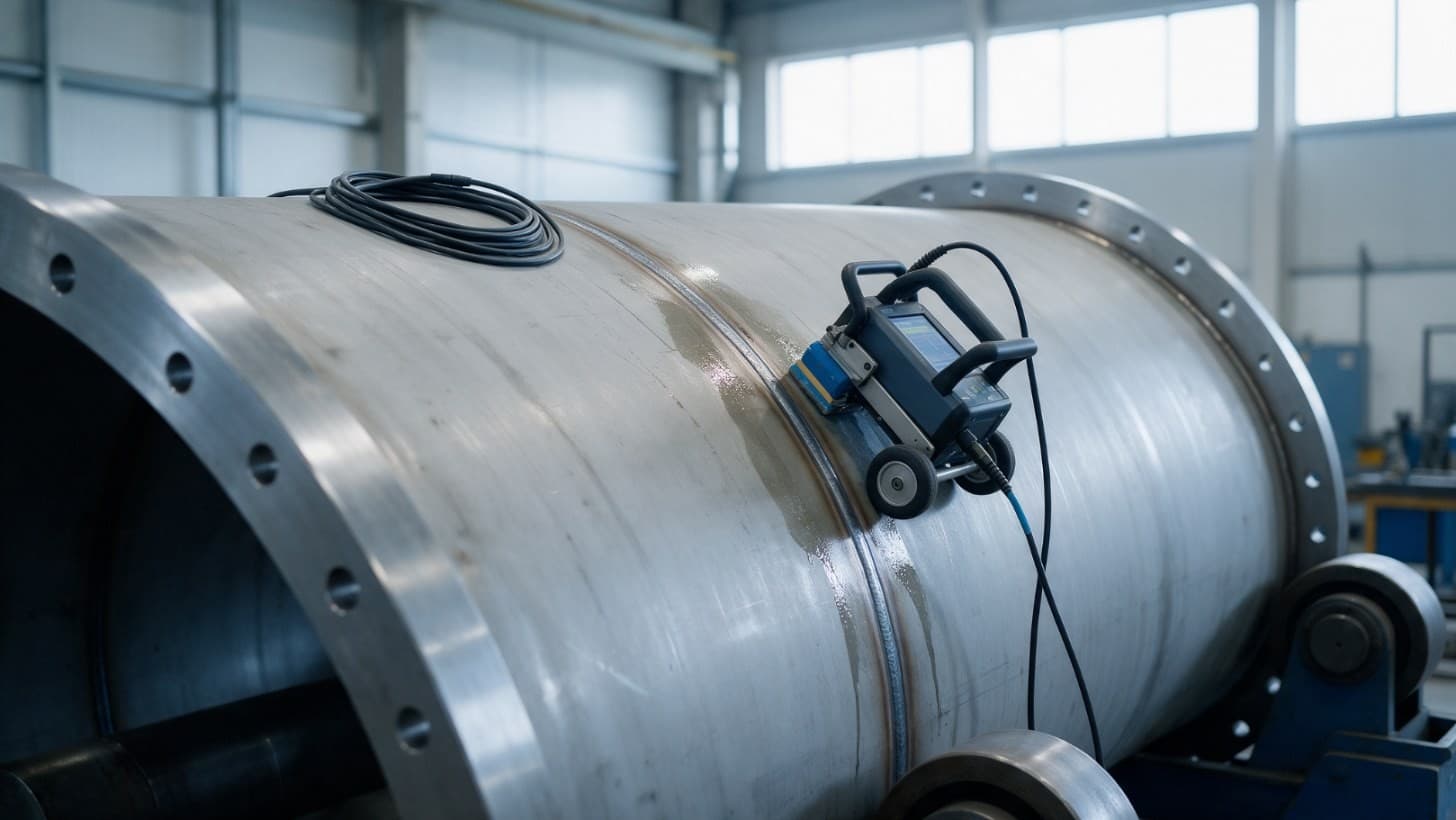
NDT Methods Compared: RT, UT, MT, PT and What to Specify
Compare VT, PT, MT, RT and UT for welded process equipment: what each finds, where each fails, radiography on site, and how to specify NDT extent in an RFQ.
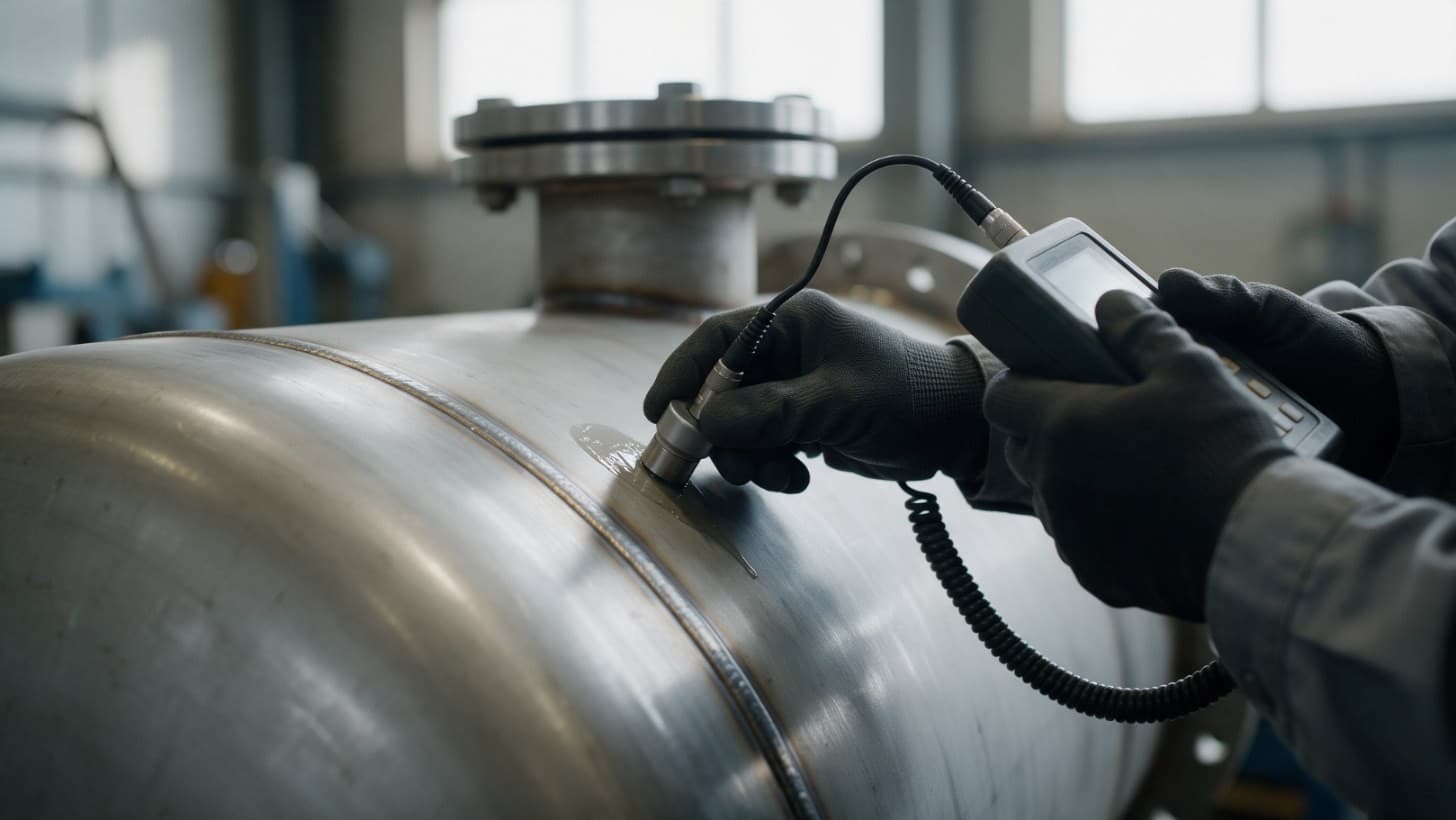
Inspection and Test Plan (ITP) Template for Pressure Vessels and Skids
What an inspection and test plan is, who writes and approves it, its columns, a complete ITP for a pressure vessel, a short one for a pump skid, and how it ties to payment.

Incoterms for Process Equipment: EXW, FCA, DAP and DDP into the UK
Which Incoterms rule suits a skid or vessel shipped into the UK: who loads, who clears customs, where risk passes and who pays import VAT, with a levelled quote example.
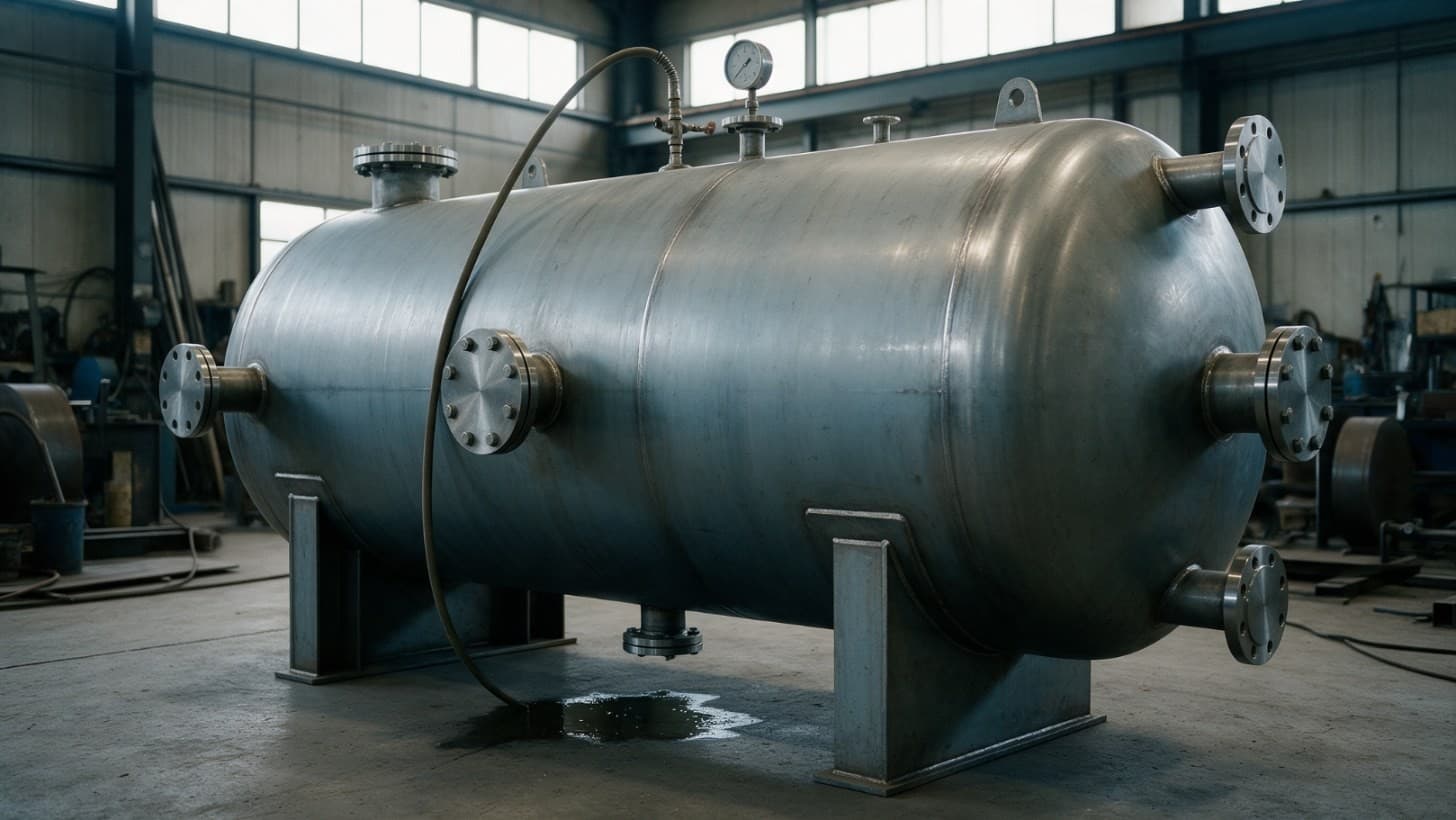
Hydrostatic Test Pressure: How Each Code Sets It, with Examples
Hydrostatic test pressure is a code multiple of design pressure, corrected for temperature. How ASME VIII, EN 13445, PD 5500 and B31.3 set it, with a worked example.
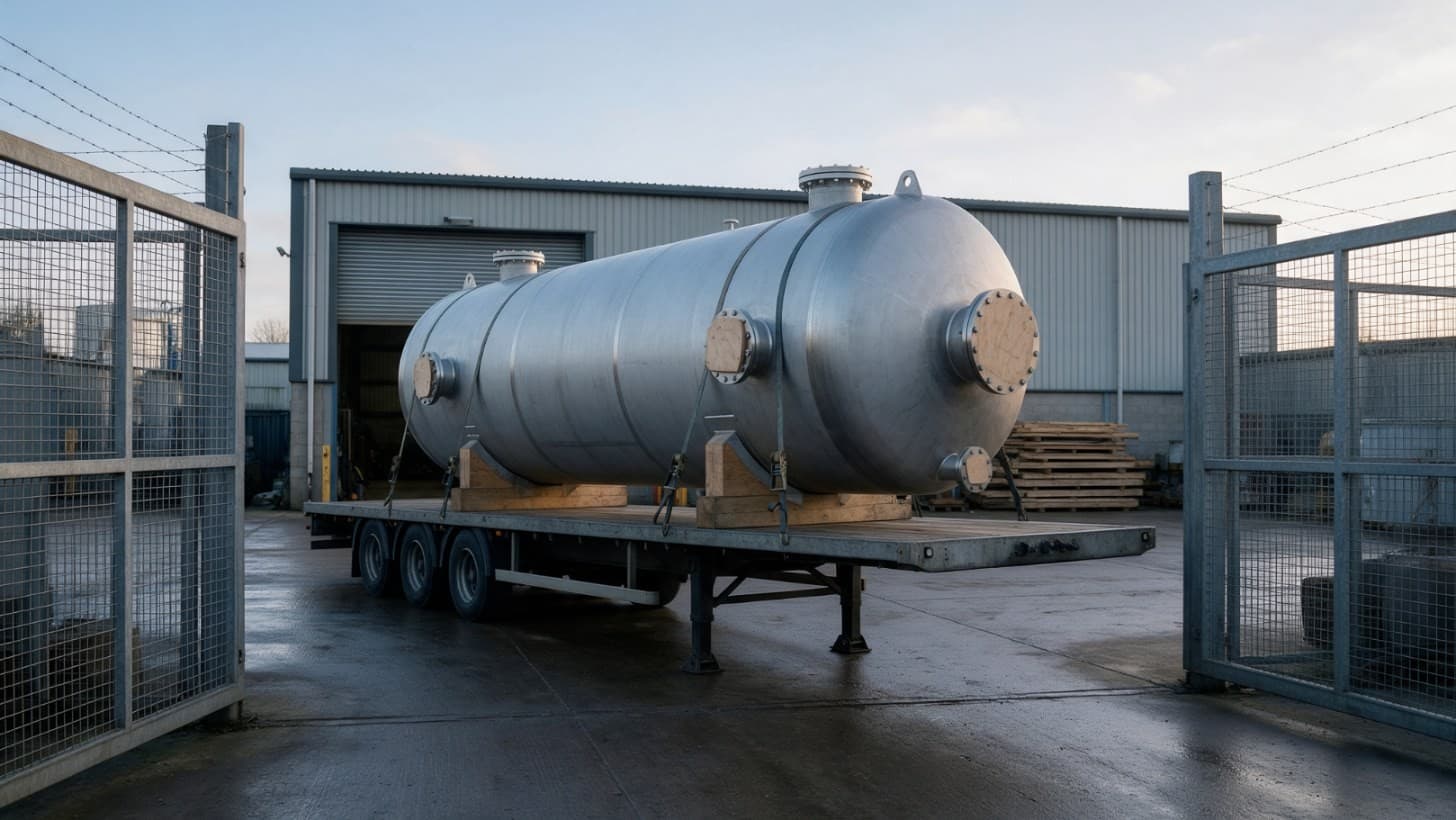
Expediting Equipment Orders: Guide and Weekly Report Template
Expediting keeps an equipment order on its delivery date. Desk and field expediting, the evidence for each milestone, red flags, escalation and a weekly report template.

EN 10204 3.1 vs 3.2: How to Check a Mill Test Certificate
What EN 10204 2.1, 2.2, 3.1 and 3.2 certificates mean, who validates each, when to ask for 3.2, and a line by line check of an illustrative 316L plate certificate.
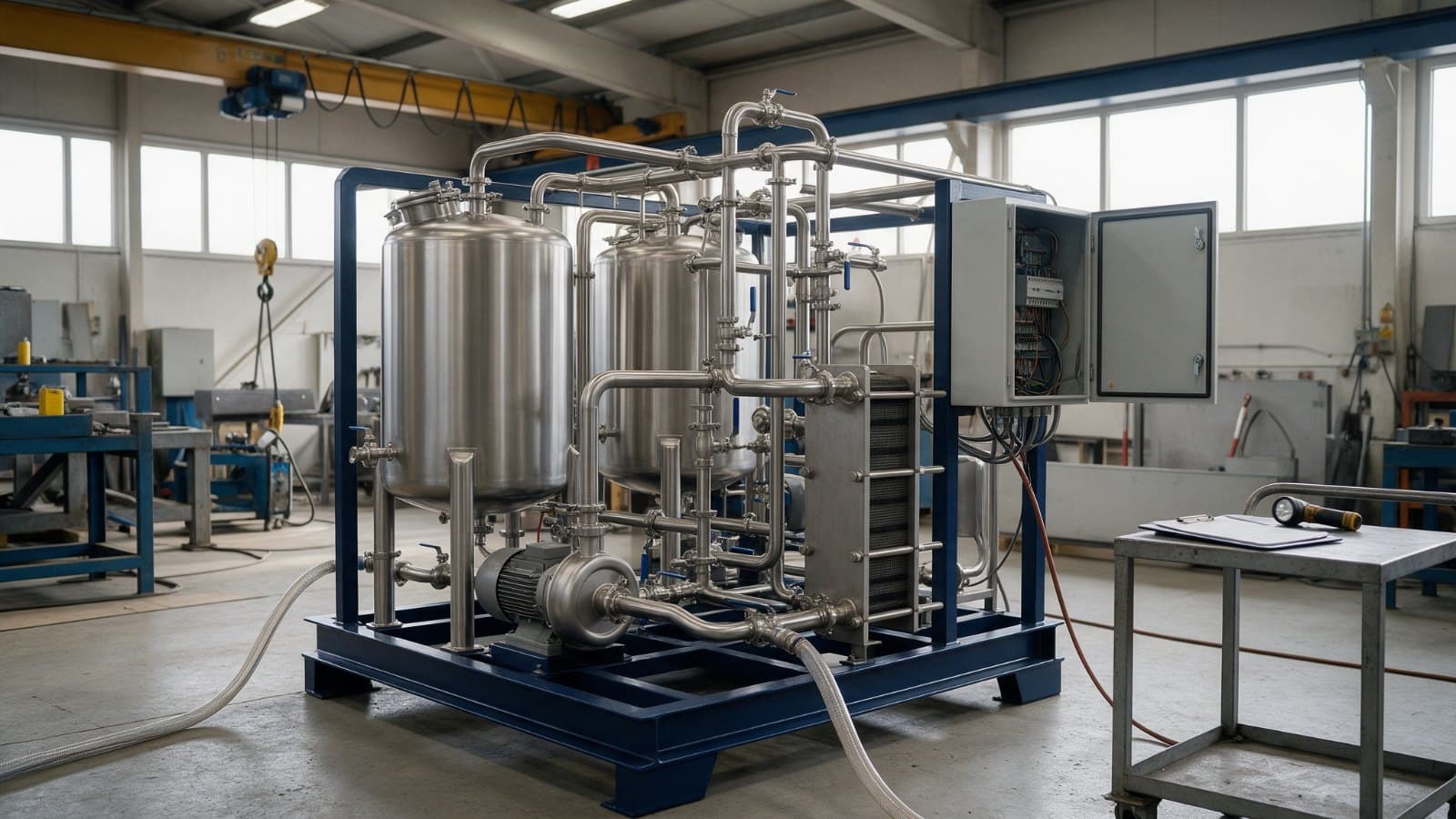
Factory Acceptance Test (FAT) Checklist for Process Skids
A practical factory acceptance test checklist for process skids: what to agree first, what to check, why FATs slip and how FAT and SAT fit together.
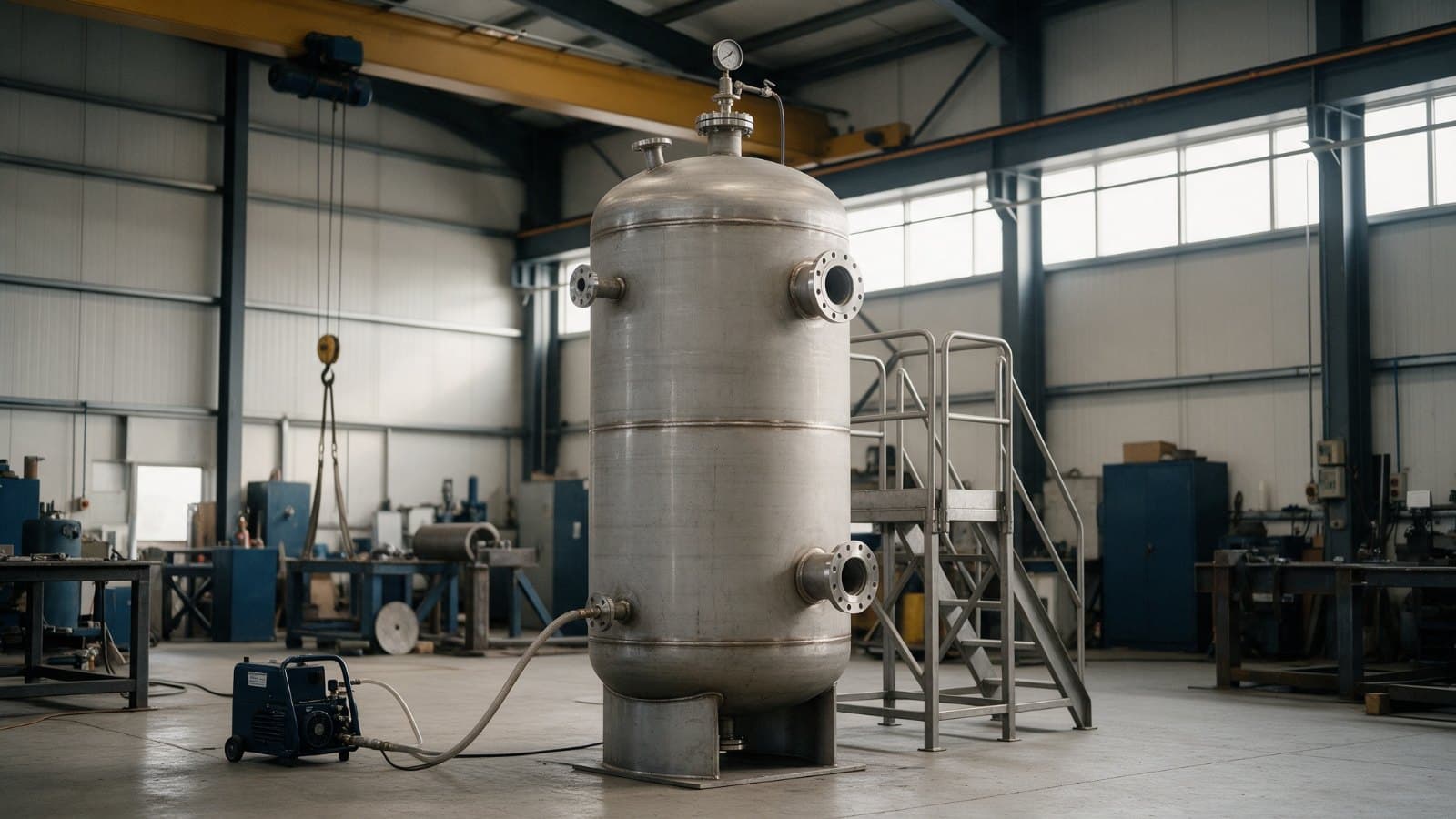
Hold Point vs Witness Point: What They Mean in an ITP
A hold point stops work until the buyer releases it in writing; a witness point lets work go on if nobody comes. ITP codes, notice and costs, with an example.