
Framework Agreements for Pumps, Valves and Instruments: When They Beat Project Buying
A frame agreement for pumps, valves or instruments pays off when you buy the same types repeatedly. Here is when it beats project by project buying, what to put in it, and a worked example.
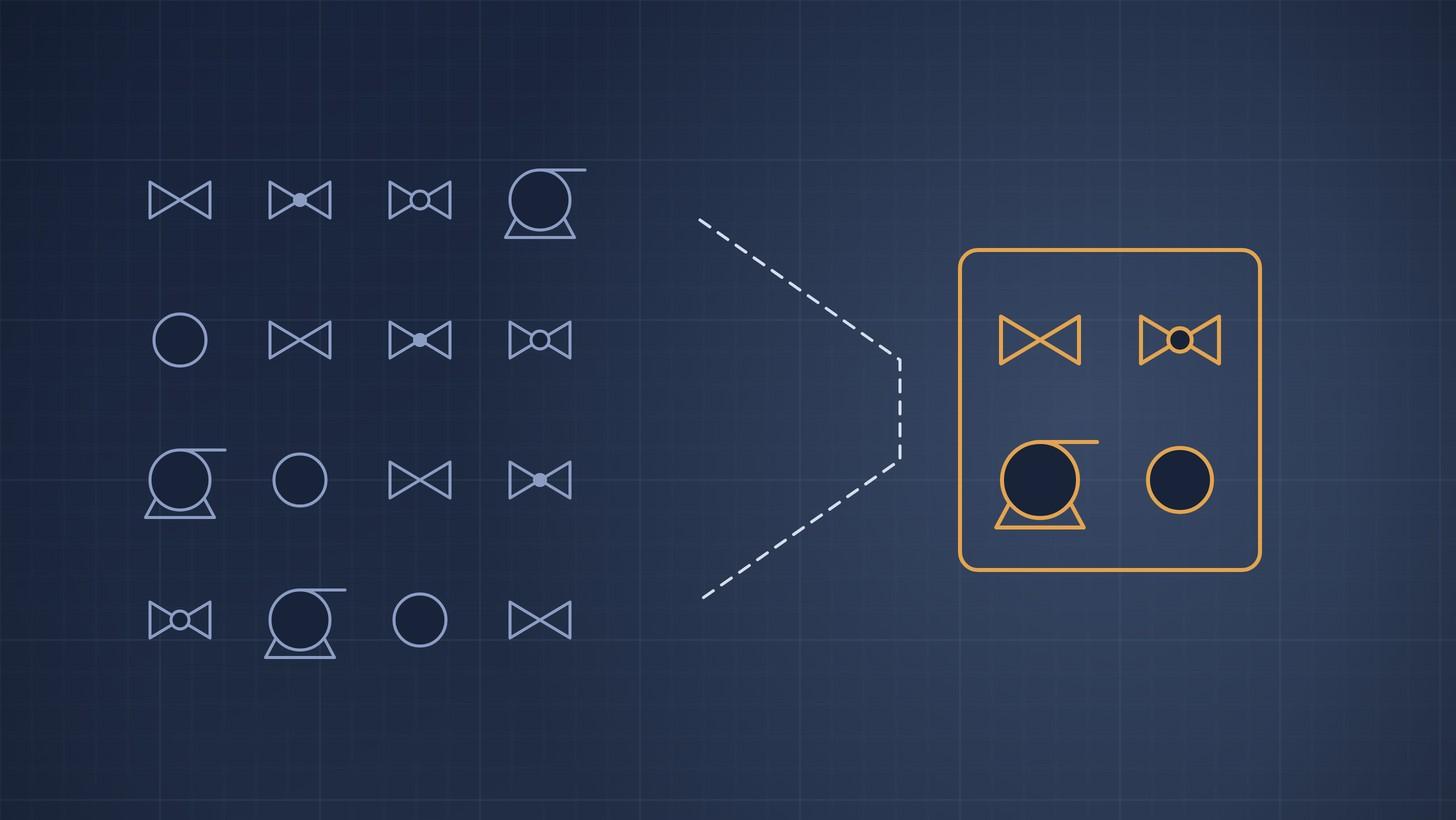
A framework agreement, or frame agreement, sets the terms for repeated purchases of a category, such as pumps, valves or instruments, with one or a few suppliers over several years, so each order is a quick call off rather than a new tender. It beats project by project buying when you buy similar items often, want standard designs and spares across sites, and can agree a price basis, lead times and service levels up front.
Why this matters now
Most process plants buy pumps, valves and instruments constantly: replacements, small projects, debottlenecks, shutdown spares. Bought one RFQ at a time, the same items end up from many makes, at many prices, with many spares. One valve manufacturer's account of a large multi site manufacturing customer described more than 45,000 valve products in its ERP system and more than 6,000 active suppliers, with valves and controls making up 40% of operating expenditure [1]. A pharmaceutical site in another case had built up more than 200 valve and actuator combinations from 20 makes, with non stock replacements taking about 8 working weeks and failures causing outages of at least 8 hours several times a year [2].
A framework is the commercial tool that makes standardisation stick. Our article on category strategy for engineered equipment shows where these categories usually sit.
Create and manage RFQs in minutes
ChemCapital handles the entire procurement cycle, from structured RFQs and supplier comparisons to formal purchase orders and delivery tracking.
When a framework beats project by project buying
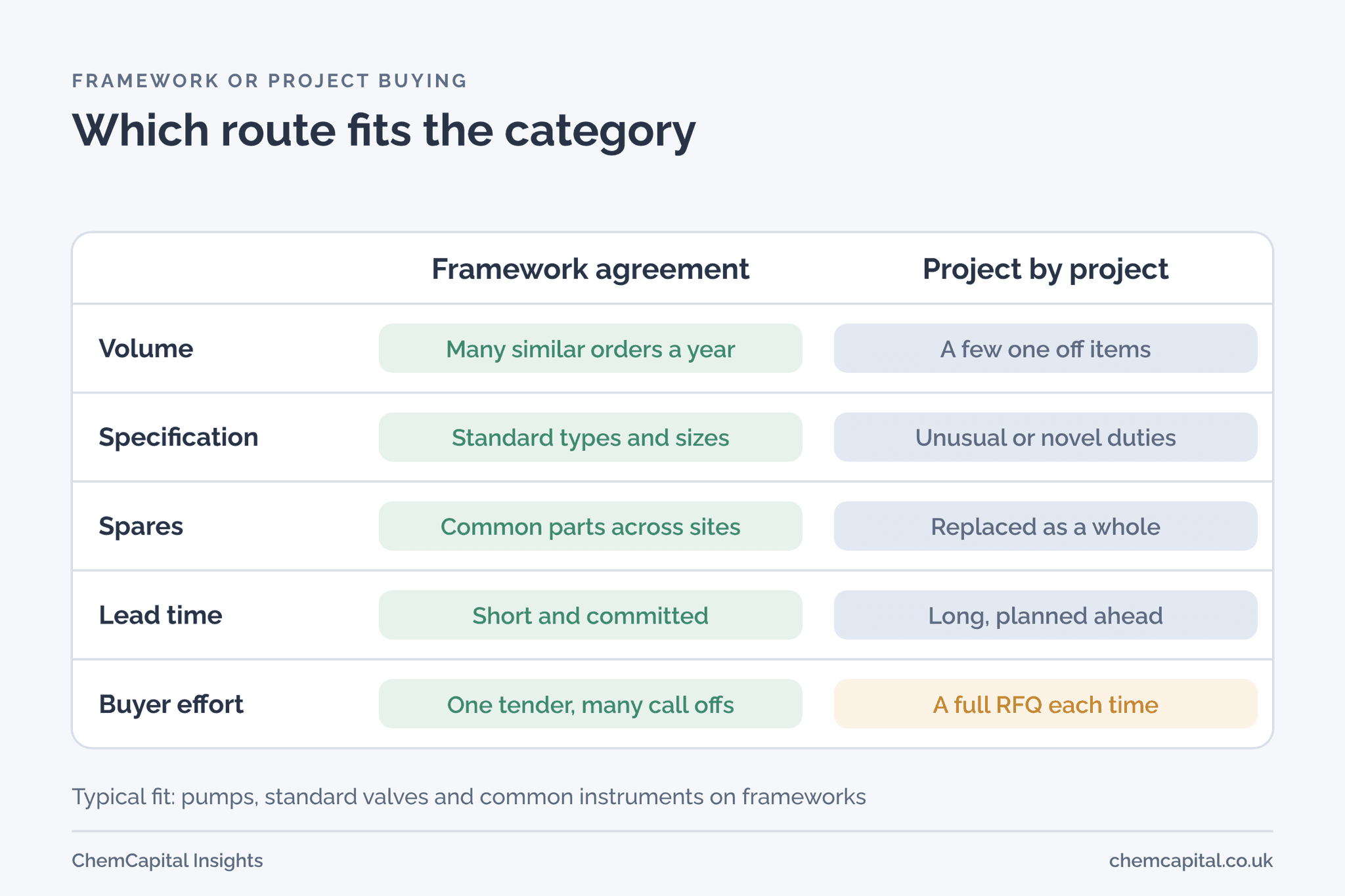
| Factor | Favours a framework | Favours project by project |
|---|---|---|
| Volume and frequency | Many similar orders a year | A few one off items |
| Specification | Standard types and sizes | Unusual duties, novel designs |
| Spares and maintenance | Common parts across sites matter | Item will be replaced as a whole |
| Market | Several capable suppliers, stable technology | Fast changing technology or prices |
| Lead time | Need short, reliable lead times | Long lead items planned well ahead |
| Internal effort | Many small RFQs tie up buyers | Few, large purchases |
Pumps, standard valves and common instruments usually fall on the framework side. Large engineered packages, such as compressors or reactors, usually do not.
What to put in the agreement
Scope and standard specifications. The categories covered, the standard types, materials and options, and the datasheet templates. Define standard products by category and service before you tender, and keep them in a library engineers can actually use [1].
Price basis. A price list or discount from list for each product family, with the mechanism for adjusting it: index linked, fixed for a period, or with alloy surcharges passed through. The price or the mechanism for setting it belongs in the framework itself [3]. Our guide to price adjustment clauses covers the options.
Volume and rebates. Most frameworks carry no binding purchase obligation [4]. If you offer an estimated volume, say it is an estimate; if the supplier offers a rebate for reaching a volume, write down how it is measured and paid.
Lead times and stock. Committed lead times by product family, and any consignment or held stock for critical spares. The pharmaceutical case above came down to holding a small stock of standard valves and actuators instead of waiting eight weeks for each failure [2].
Service levels and reporting. Delivery on time in full, quote turnaround, documentation and support, with key performance indicators reviewed regularly [5]. Link them to a supplier scorecard.
Ordering process. How call offs are placed: direct orders at framework prices for standard items, and a mini competition between framework suppliers for larger or unusual orders.
Term, review and exit. Typical terms are a few years with extension options [4]. Build in an annual price and performance review and a way out if performance slips, because a long agreement creates dependency [4].
How to run the framework tender
- Analyse what you bought. Two or three years of purchase orders by product family, make, size and site. This is the evidence for the standard range and the volumes you quote to bidders.
- Set the standard range with engineering and maintenance. Agree which types, materials and options become standard, and which duties stay outside the framework. Without engineering ownership, project teams will keep specifying their favourite makes.
- Shortlist capable suppliers. Include manufacturers and distributors, and check coverage of all your sites and service needs.
- Tender on a priced basket. Ask every bidder to price the same basket of representative items, plus discounts from list for the rest of the range, lead times, stock and service. A basket makes the offers comparable.
- Evaluate on total cost. Price, but also lead time, spares commonality, local support and documentation; our guide to life cycle cost shows how to weigh them.
- Award to one or two suppliers per category. Two gives competition at review time and resilience if one fails; more than two dilutes volume and the discount.
Running the framework once it is live
A framework that nobody uses saves nothing. Publish the standard range and how to order it where engineers and maintenance planners will find it, and make the framework the default route in the purchasing system. Track compliance: the share of category spend placed through the framework, and the reasons for orders placed outside it. Review prices, lead times and service levels at least once a year with each supplier, using the agreed indicators [5], and update the standard range as products and needs change. Embedding the standards in procurement systems and engineering standards is what keeps them in use [1].
Common pitfalls
- Prices fixed for too long in a volatile market, leaving the supplier with losses and the buyer with excuses on lead time. Use an adjustment mechanism instead [4].
- Dependency on one supplier without an exit route or a second source [4].
- A standard range that engineering never agreed, so projects specify around it.
- No stock commitment, so the framework delivers good prices but the same eight week waits.
Public sector and utility buyers
If you are a contracting authority under the Procurement Act 2023, frameworks normally run for up to four years, or eight for utilities and defence, and call offs are either a competitive selection or an award without further competition where the framework sets an objective mechanism and the core terms [3]. Private utilities are not bound by the term limits [3]. This is general information, not legal advice; check the current text before you rely on it.
Practical example
Illustrative figures. A chemical site spends £600,000 a year on valves through about 140 separate purchase orders with many suppliers. It tenders a three year framework with two suppliers.
| Effect | Calculation | Annual value |
|---|---|---|
| Better pricing | 6 percentage points more discount on £600,000 | £36,000 |
| Fewer purchase orders | 140 down to 40, at £120 internal cost each | £12,000 |
| Total measurable saving | £48,000 |
The harder benefits to put a number on matter as much: fewer valve types to stock, faster replacements and less downtime. Track them anyway, using spares holdings, average replacement lead times and unplanned downtime hours before and after the framework starts, so the next review rests on evidence rather than impressions.
If you are the supplier
A framework place is worth more than a single order, so bid for it as a relationship: show standard product coverage, stock policy, local service and how you will report performance. Price the review mechanism honestly; a supplier that wins on an unsustainable discount and then fails on lead times rarely survives the first review.
Once you hold a place, make the framework easy to use. Give the buyer a clean catalogue of the standard range with prices, lead times and datasheets, report performance before you are asked, and flag product changes early. Suppliers who make call offs effortless tend to win the share of spend that would otherwise leak to other makes, and that share is where the value of a framework place really sits.
Where ChemCapital fits
Before you tender a framework, you need a shortlist of capable suppliers and a view of past prices. ChemCapital's Supplier Discovery finds suppliers by category and capability, and spend review and supplier performance tracking show what you have been buying and how each supplier has performed.
Ready to build a framework on real data? Start a free 14 day ChemCapital trial, with no credit card needed.
Frequently asked questions
What is a framework agreement in procurement?
An agreement that sets the terms, prices or pricing mechanism and service levels for repeated purchases from one or more suppliers over a set period, with individual orders placed as call offs.
When should I use a frame agreement for valves or pumps?
When you buy similar types often, want standard designs and spares across sites, have several capable suppliers and need short, reliable lead times.
Does a framework agreement commit the buyer to a volume?
Usually not. Most frameworks carry no binding purchase obligation. Estimated volumes should be stated as estimates, and any rebate thresholds defined clearly.
How long can a public sector framework last?
Under the Procurement Act 2023, normally up to four years, or eight for utilities and defence, unless the call off contracts justify longer. Private utilities are not bound by these limits.
Continue reading
Informational only, not procurement or legal advice. Cited names, frameworks, and statistics belong to their respective owners.
Create and manage RFQs in minutes
ChemCapital handles the entire procurement cycle, from structured RFQs and supplier comparisons to formal purchase orders and delivery tracking.
Start for freeRelated articles
AMP8 for Equipment Suppliers: How Water Companies Buy, 2025 to 2030
AMP8 is the 2025 to 2030 investment period for water companies in England and Wales, with £104bn approved. Here is how the money is spent, how water companies buy through frameworks and delivery partners, and how equipment suppliers get in.
How to Find Tenders for Pumps, Valves and Process Equipment
Public tenders for process equipment are published free on Find a Tender in the UK, TED in the EU and SAM.gov in the US. Here is how to set alerts with the right CPV codes and where utility frameworks fit.
How to Get Your Equipment Specified by Engineers on Process Projects
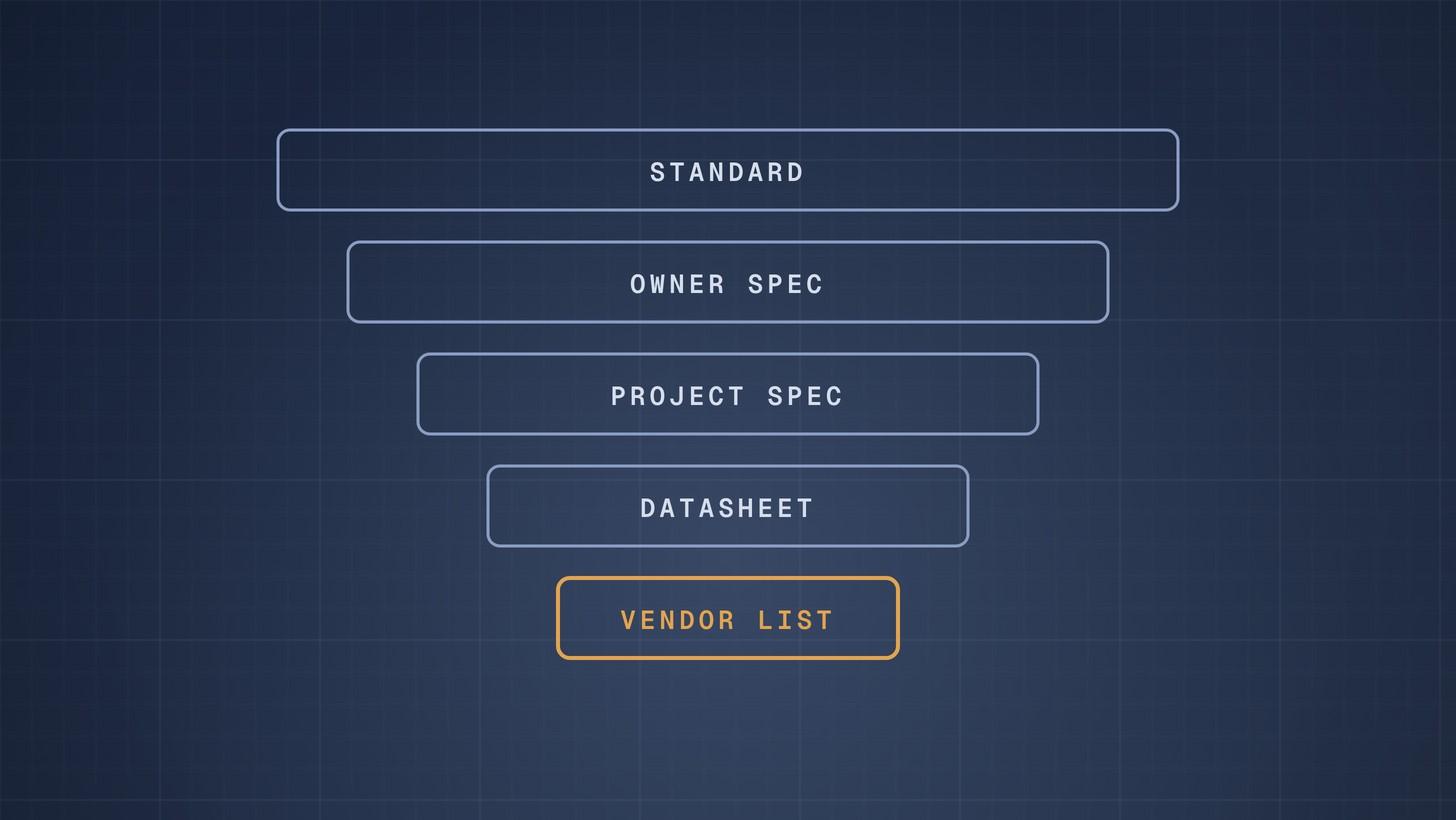
On process projects the specification and the vendor list decide who gets the RFQ. Here is how specifications are built, from industry standards to owner specs and datasheets, and what equipment makers do to get on them.