
Design Qualification (DQ) for GMP Equipment: What It Is and What the Vendor Provides
Design qualification is the documented check that a proposed equipment design meets the URS and GMP before it is built. Here is where DQ sits in EU GMP Annex 15, what evidence the vendor supplies, and a DQ checklist.
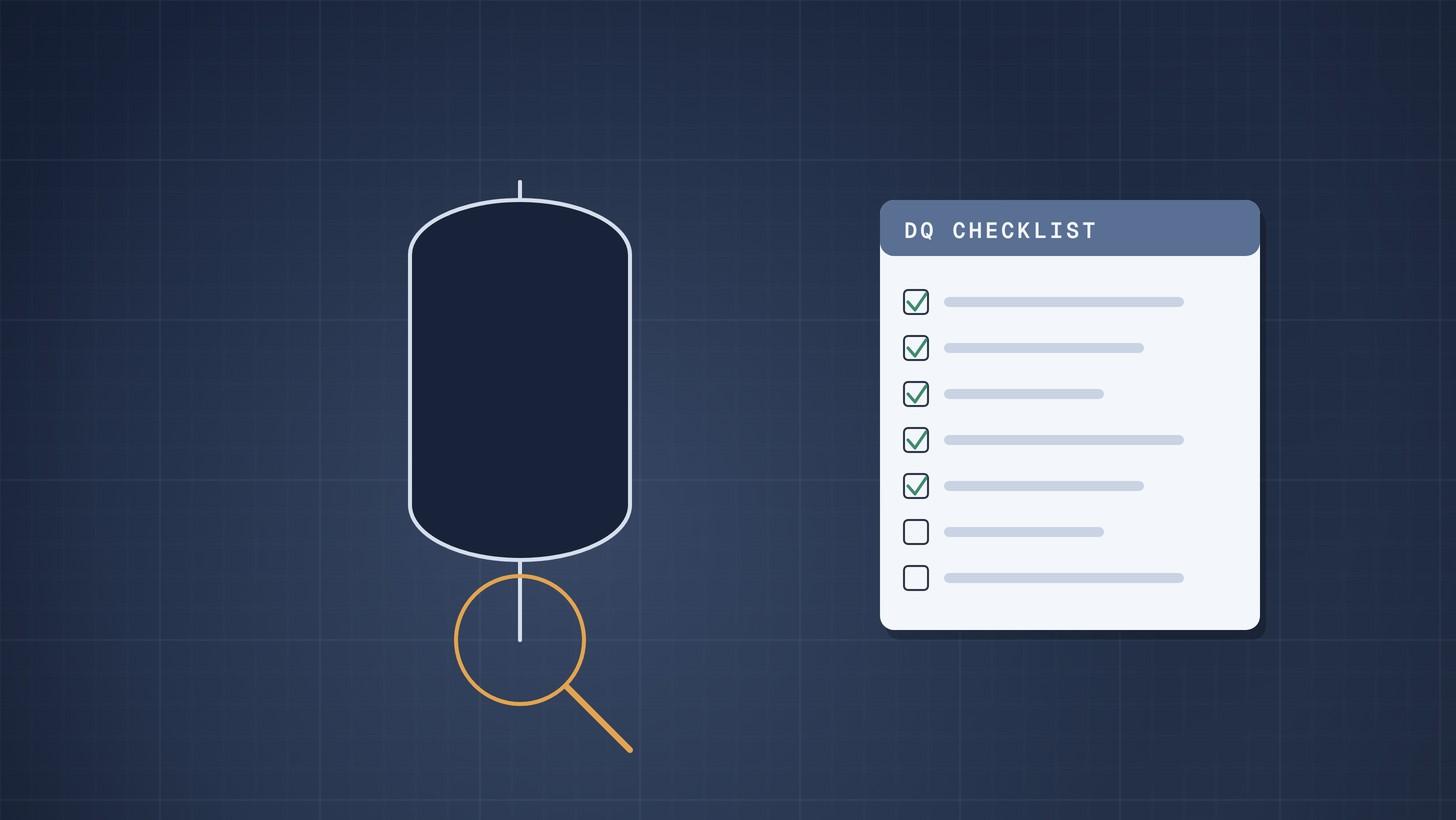
Design qualification (DQ) is the documented verification that the proposed design of a piece of equipment, a system or a facility is suitable for its intended purpose: that it meets the user requirements specification (URS) and GMP, before money is committed to building it [1] [2]. Most of the evidence comes from the vendor's design documents; the buyer's team reviews it, records the result and gets quality approval before the design is frozen.
Why this matters now
DQ is the cheapest place to find a design mistake. A dead leg, the wrong surface finish or a missing audit trail found at DQ is a drawing change. The same issue found at IQ or OQ is a modification on a finished skid, a delay and a change order.
The guidance has also moved. ASTM E2500, the risk based guide to specification, design and verification, was revised and issued on 15 March 2025; it now defines DQ, aligned with EU GMP Annex 15, and adds critical design elements alongside critical aspects, with DQ approved by the quality unit [3]. Buyers who used to treat DQ as a signature on the vendor's drawings are being asked for more.
Create and manage RFQs in minutes
ChemCapital handles the entire procurement cycle, from structured RFQs and supplier comparisons to formal purchase orders and delivery tracking.
Where DQ sits
EU GMP Annex 15 sets the sequence. The URS is the point of reference for the whole validation life cycle, and the next element is DQ, where compliance of the design with GMP is demonstrated and documented and the URS requirements are verified [1]. Factory and site acceptance tests and then installation, operational and performance qualification follow [1]; our guide to IQ, OQ and PQ covers those later stages.
The WHO validation guidelines describe the same order: URS, then DQ, then FAT and SAT where appropriate, then IQ, OQ and PQ, with each stage completed before the next unless a documented conditional approval allows otherwise [2]. They describe DQ as documented evidence that the design specifications were met and conform to the URS [2].
| Stage | Question it answers | Main evidence |
|---|---|---|
| URS | What do we need? | Approved requirements, with GMP critical items marked |
| Design review | Is the design good engineering? | Review records across all aspects, critical and non critical |
| DQ | Does this design meet the URS and GMP? | Design documents mapped to each requirement, quality approval |
| FAT and SAT | Was it built and does it work as designed? | Test protocols and results |
| IQ, OQ, PQ | Is it installed, operating and performing correctly here? | Qualification protocols and reports |
Design review and DQ are related but different. Design review is a planned, systematic evaluation of the design throughout the project, covering critical and non critical aspects. DQ focuses on the critical aspects and critical design elements, is formally documented and approved by quality, and uses the final design review report as an input [4]. Our guide to ASTM E2500 commissioning and qualification covers the risk based approach in more depth.
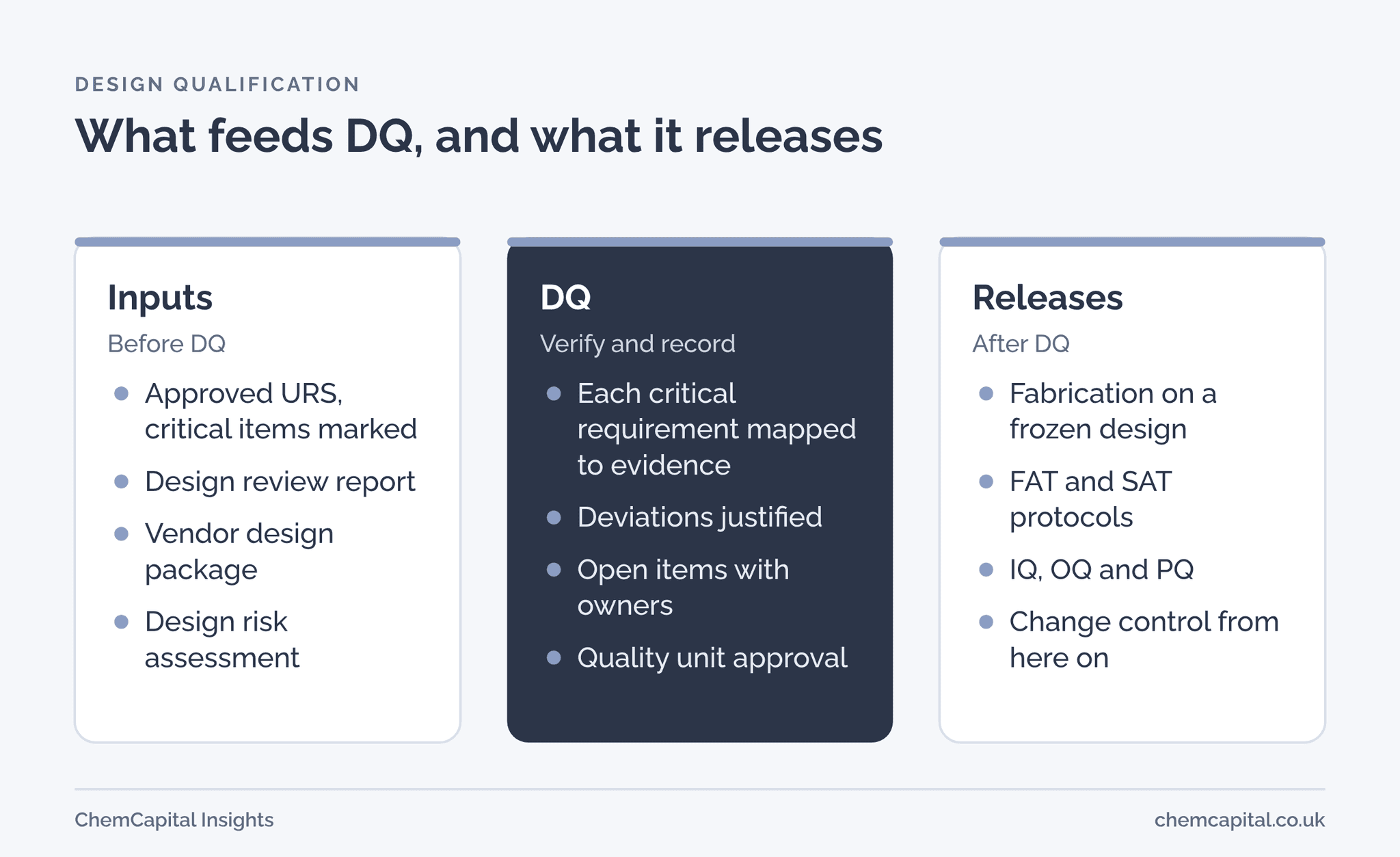
What evidence the vendor provides
DQ is only as good as the design package it reviews. Ask for these in the purchase order, with dates, so DQ can happen before fabrication starts:
- A response to every URS line, stating how the design meets it and where the evidence is. A requirements traceability matrix is the usual format.
- Functional and design specifications, including the control philosophy for automated equipment.
- Process and instrumentation diagram and general arrangement drawings, showing slopes, drainability, dead legs and access.
- Materials of construction and surface finish for every product contact part, with the standard they are specified to.
- Seals, gaskets and lubricants in product contact, with their compliance declarations.
- Cleaning and sterilisation design: spray device coverage, drain points, steam access.
- Automation and data integrity design: user levels, audit trail, data storage and backup, for computerised systems.
- Risk assessment of the design against the critical aspects.
- A list of deviations from the URS, each with a justification.
Our guide to the user requirement specification explains how to write requirements the vendor can answer line by line.
A DQ checklist
Use it as a structure for the DQ report, one row per critical requirement:
- Is the URS approved, and is the design based on its current revision [5]?
- Does each GMP critical requirement have a design reference and evidence?
- Are product contact materials and finishes specified and appropriate?
- Is the equipment cleanable and drainable as designed, with no unjustified dead legs?
- Are critical instruments identified, with ranges and accuracy suitable for the process?
- Are alarms and interlocks for critical parameters designed in?
- For computerised systems, are access control, audit trail and data handling designed to the requirements?
- Are utilities and their quality, such as purified water or clean steam, defined at the interfaces?
- Are all deviations from the URS listed, justified and accepted?
- Has quality approved the DQ, with any open items and the conditions for proceeding recorded?
Common DQ mistakes
- Signing the vendor's drawings and calling it DQ. Approval of drawings is part of design review. DQ needs each critical requirement traced to evidence and a quality decision.
- Doing DQ after fabrication has started. Then every finding is a modification, and the pressure to accept it is high.
- Reviewing against an old URS revision. If the URS changed after the RFQ, the design may meet a requirement nobody needs any more and miss one that was added.
- Ignoring the automation. The mechanical design gets a thorough check and the control system is assumed. Data integrity and alarm handling are design decisions too.
- Leaving open items open. Conditional approval to proceed is allowed when documented [2], but each open item needs an owner, a date and a stage by which it must close.
Standard equipment versus custom design
Not every item needs the same depth. For a standard catalogue product, such as a laboratory balance or a standard pump, DQ can largely be a documented check that the published specification and the supplier's standard documentation meet the URS, plus a review of any options chosen. For a custom skid, vessel or automated system, DQ needs the full design package and a line by line review. Deciding the depth is part of the risk based approach that ASTM E2500 encourages [3].
Put DQ in the purchase order
Write DQ into the schedule of the purchase order: the date the vendor submits the design package, the period for the buyer's review, and a hold point that stops fabrication of critical parts until DQ is approved. Without it, fabrication starts on schedule and DQ becomes a paperwork exercise after the fact. Allow realistic review time, typically counted in weeks for a complex skid, and say in the order who on the buyer's side signs the DQ. Our guide to hold points and witness points explains how to make that hold enforceable.
Practical example
Illustrative figures. A buyer qualifies a jacketed process vessel skid. The URS has 120 requirements, 35 of them GMP critical.
| DQ result for critical requirements | Number |
|---|---|
| Verified against the design documents | 31 |
| Open at the DQ review | 4 |
| of which closed by a design change before fabrication | 2 |
| of which closed by additional supplier evidence | 2 |
| Total critical requirements | 35 |
The two design changes were a drain valve moved to the true low point and an audit trail requirement the control specification had missed. Both cost a drawing revision. Found at OQ, either would have meant rework on the finished skid. The DQ report listed both items, the evidence that closed them and the quality approval, so the later qualification stages could reference it rather than repeat the review.
If you are the supplier
Submit a complete design package early, structured against the customer's URS numbering. A supplier that makes DQ easy shortens the customer's schedule and makes it far more likely that its FAT results can be credited later instead of repeated on site.
Where ChemCapital fits
DQ depends on the URS you send out with the RFQ. ChemCapital's structured RFQs carry your requirements to every bidder, its AI quotation comparison highlights which offers list deviations from them, and the audit trail, built on ALCOA+ principles and GAMP 5, records what each supplier was asked and what they offered.
Ready to start DQ from a cleaner RFQ? Start a free 14 day ChemCapital trial, with no credit card needed.
Frequently asked questions
What is design qualification?
Documented verification that the proposed design of equipment, a system or a facility is suitable for its intended purpose, meeting the user requirements and GMP, before it is built.
Where does DQ sit in EU GMP Annex 15?
After the URS and before FAT, SAT, IQ, OQ and PQ. Annex 15 requires compliance of the design with GMP to be demonstrated and documented, and the URS requirements to be verified, during DQ.
What is the difference between design review and design qualification?
Design review evaluates the whole design, critical and non critical, throughout the project. DQ focuses on the critical aspects and design elements, is formally documented and is approved by the quality unit.
Who performs DQ, the vendor or the user?
The user is responsible for DQ and quality approves it. The vendor provides most of the evidence: design documents, drawings, materials, control design and a response to each URS requirement.
Continue reading
Informational only, not procurement or legal advice. Cited names, frameworks, and statistics belong to their respective owners.
Create and manage RFQs in minutes
ChemCapital handles the entire procurement cycle, from structured RFQs and supplier comparisons to formal purchase orders and delivery tracking.
Start for freeRelated articles
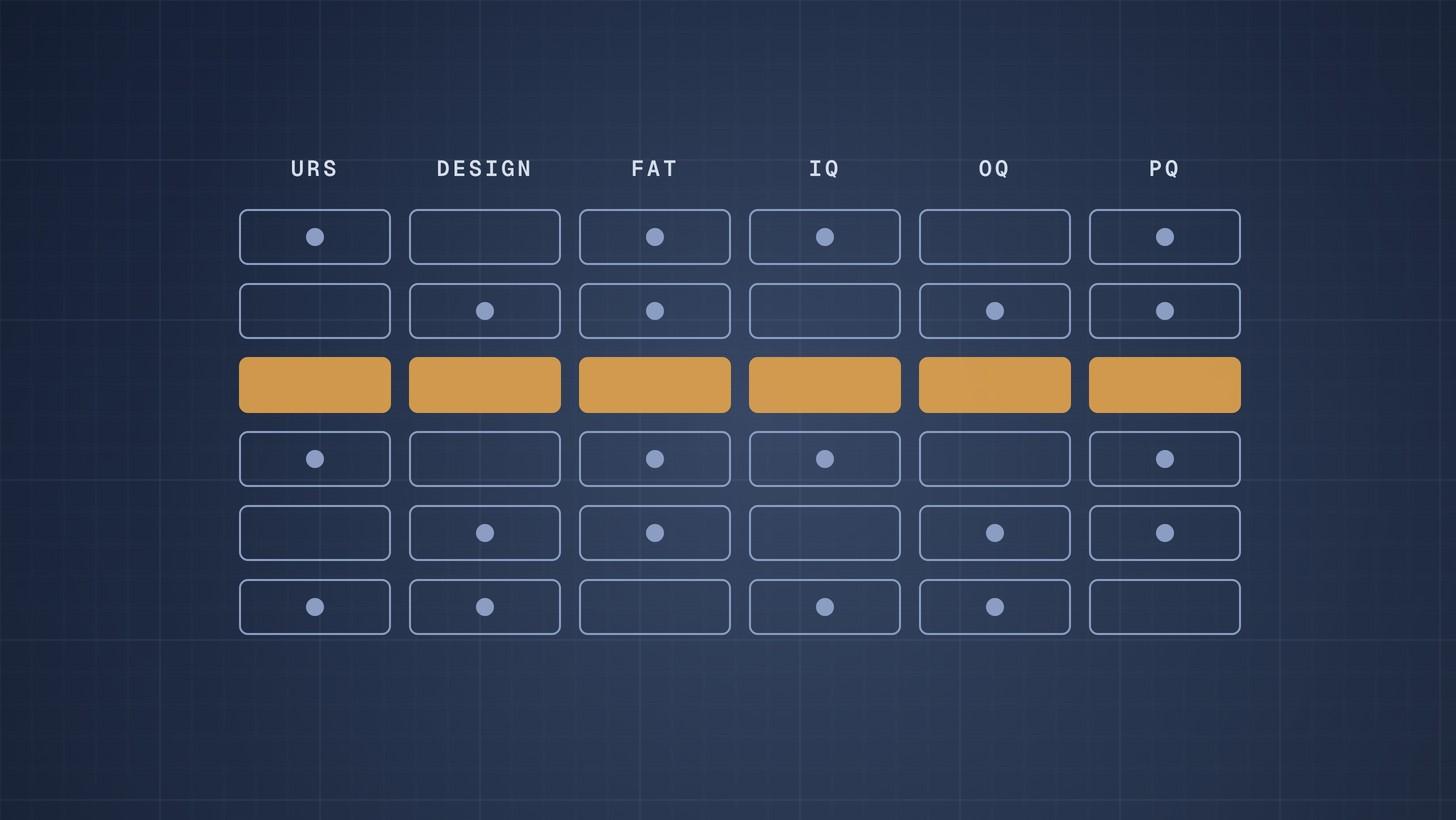
Requirements Traceability Matrix for GMP Equipment: From URS to PQ
A requirements traceability matrix links every URS line to the design document that meets it and the test that proves it, from DQ through FAT, SAT, IQ, OQ and PQ. Here is how to build one, with a template.
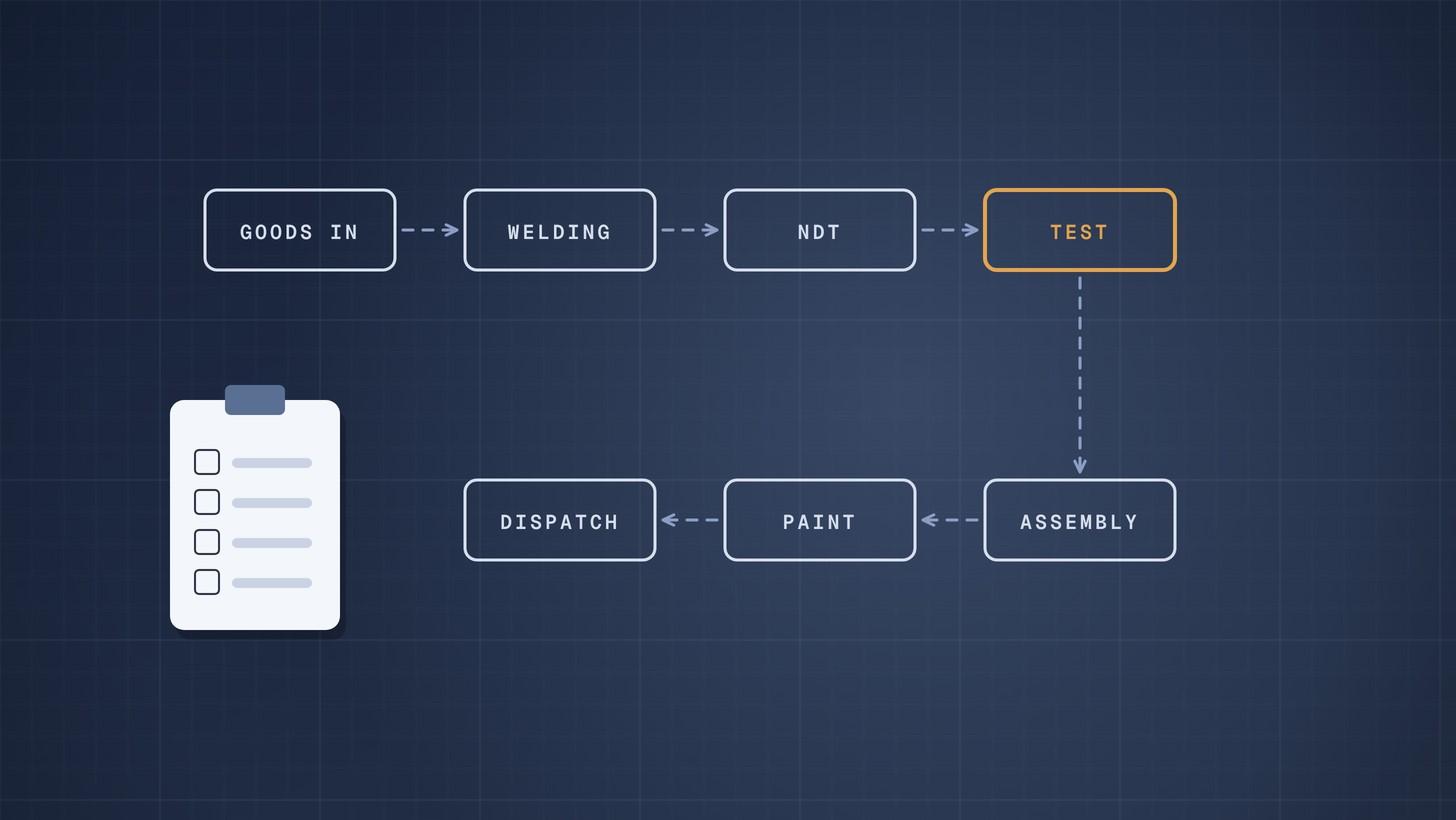
How to Prepare for a Customer Quality Audit as an Equipment Manufacturer
A practical guide for equipment makers facing a customer or vendor audit: the documents to have ready, how to run the walk through, the findings auditors raise most often and how to close them properly.
UKCA or CE Marking for Equipment Sold into Great Britain in 2026
As of November 2026, Great Britain accepts CE or UKCA marking for machinery and pressure equipment. Here is what suppliers still have to get right: approved bodies, the UK importer, labels and the declaration.