
Requirements Traceability Matrix for GMP Equipment: From URS to PQ
A requirements traceability matrix links every URS line to the design document that meets it and the test that proves it, from DQ through FAT, SAT, IQ, OQ and PQ. Here is how to build one, with a template.
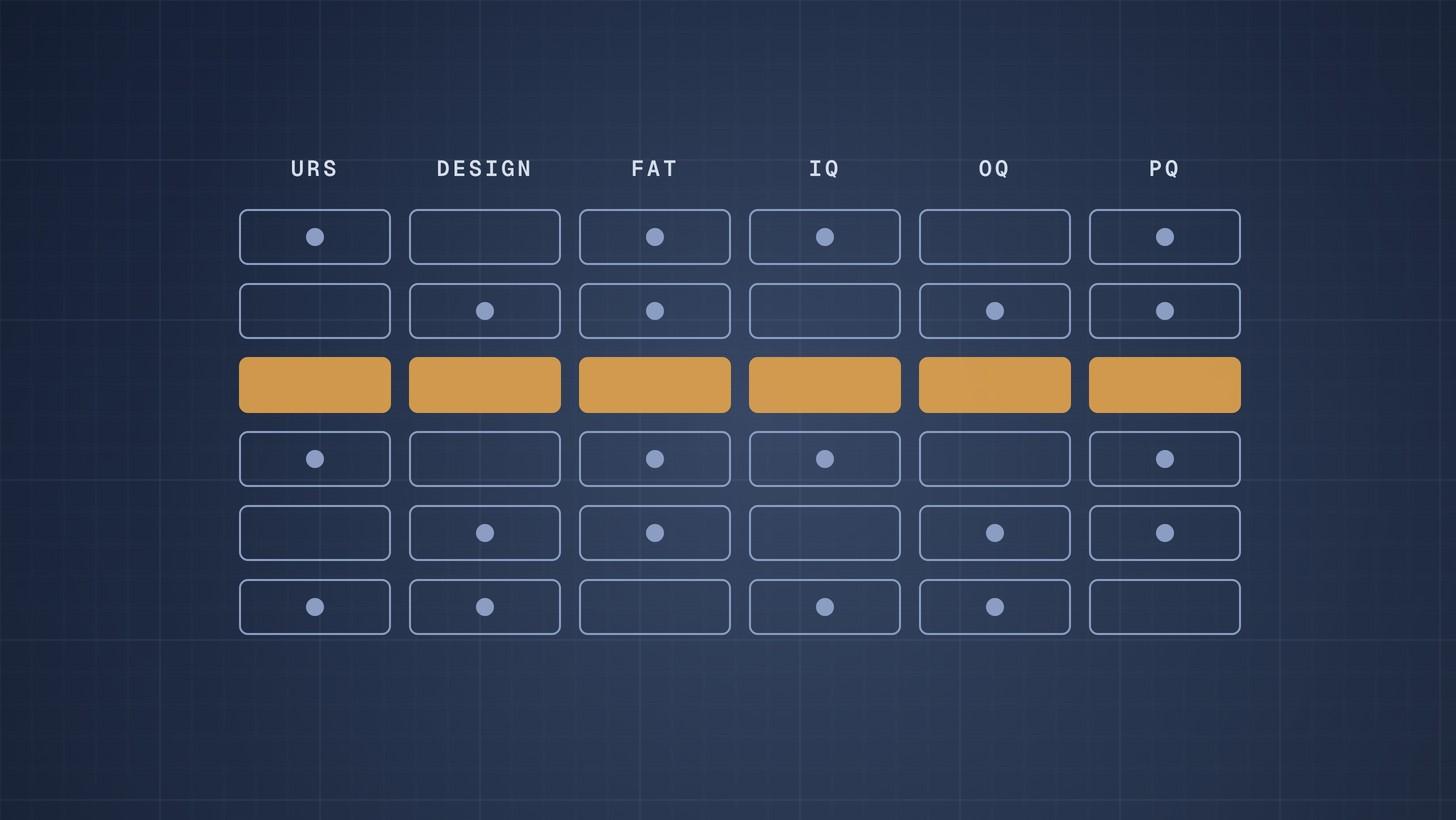
A requirements traceability matrix (RTM) is a table that links each line of the user requirements specification (URS) to the design document that meets it and the test or check that proves it, through design qualification, FAT, SAT, IQ, OQ and PQ. It lets you, the supplier and an inspector see at a glance that every requirement was specified, built and verified, and nothing was missed.
Free download: requirements traceability matrix (Excel). Ready to fill in, free to use, no sign up needed.
Why this matters now
EU GMP Annex 15 makes the URS the point of reference for the whole validation life cycle, and requires URS requirements to be verified during design qualification [1]. It does not use the word traceability, but it does say the relationships between documents in complex projects should be clearly defined [1]. The PIC/S version of Annex 15 carries the same text, and its regulators have pointed out that new DQ documents should reference the URS [2]. The traceability matrix is the usual way to do that.
For computerised systems the expectation is becoming explicit. The 2025 draft revision of EU GMP Annex 11 includes a specific requirement for URS traceability and a traceability matrix [3]. On the US side, FDA software validation guidance has long expected traceability analysis, with tests traceable to specifications [4]. Most process equipment bought for a GMP site now includes a PLC and an HMI, so the matrix is no longer just a software team's document.
There is also a commercial reason. The matrix is where gaps show up: a requirement with no design reference was never priced, and one with no test was never proven. Finding that at bid stage costs a clarification. Finding it at OQ costs a change order and weeks.
Create and manage RFQs in minutes
ChemCapital handles the entire procurement cycle, from structured RFQs and supplier comparisons to formal purchase orders and delivery tracking.
What the matrix links
Each URS line is traced forward to the documents that answer it, and each later document is traced back to the URS line it serves [5]. A typical chain for process equipment:
| Stage | Document | What it shows for each requirement |
|---|---|---|
| URS | User requirements specification | The requirement, its ID and its GMP criticality |
| Design | Functional and design specifications | Where and how the design meets it |
| DQ | Design qualification report | The design was checked against it [1] |
| FAT | Factory acceptance test | Tested at the supplier before shipment |
| SAT | Site acceptance test | Retested after transport and installation, if needed |
| IQ | Installation qualification | Installed to drawings, materials and calibration confirmed [1] |
| OQ | Operational qualification | Works across its operating range, including limits [1] |
| PQ | Performance qualification | Performs with product or a proven substitute [1] |
Not every requirement needs every stage. Some are verified by inspection or document review, such as a material certificate, and some by a functional test. A useful distinction is between requirements that are testable, with a pass or fail criterion, and those that are verifiable by other means [5]. Expect one to many links: a single alarm requirement may appear in the functional specification, the FAT and the OQ.
Annex 15 allows documentation review and tests done at FAT to count without repeating them at IQ or OQ, if transport and installation do not affect the function [1]. The matrix is where you record that decision, line by line, so each credited test is visible and justified. Our article on ASTM E2500 commissioning and qualification covers the risk based thinking behind it.
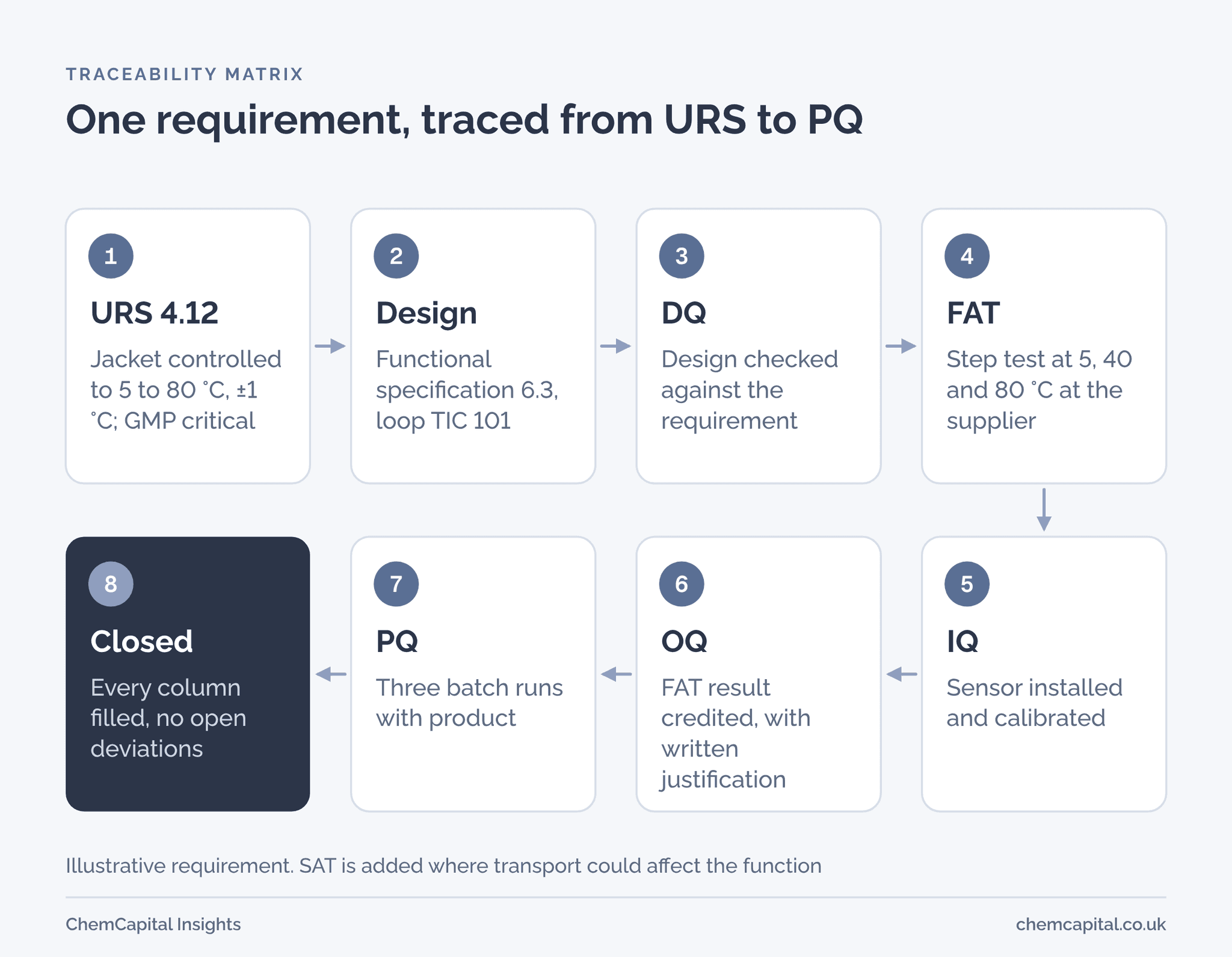
A template you can copy
Keep it as a spreadsheet with one row per URS requirement. Word or Excel tables are enough for most equipment [5].
Want this as a file? Download the requirements traceability matrix (Excel).
| Column | Example entry |
|---|---|
| URS ID | URS 4.12 |
| Requirement | Vessel jacket temperature controlled to 5 to 80 °C, ±1 °C |
| GMP critical | Yes |
| Design reference | FS section 6.3, control loop TIC 101 |
| Verification method | Test |
| DQ | DQ report item 31 |
| FAT | FAT 7.4, step test at 5, 40 and 80 °C |
| SAT or IQ | IQ 3.2, sensor calibration certificate |
| OQ | Credited from FAT 7.4, justification ref J 05 |
| PQ | PQ 2.1, three batch runs |
| Status | Passed, no deviations |
Start it when the URS is approved, not at the end. A matrix built after testing is paperwork; one built at the start steers the design and the test plans [5]. Our guide to the user requirement specification covers how to write URS lines that can be traced, and the functional design specification article covers the supplier's answer to them.
Gaps a matrix typically finds
Building the matrix early is mostly about finding these before they cost money:
- Requirements with no design answer. Often the ones written in general terms, such as "suitable for cleaning". They need rewriting into something specific before a supplier can design or price them.
- Requirements with no test. Alarms, interlocks and audit trail functions are common, because they sit between the mechanical and the software teams.
- Tests with no requirement. Supplier standard tests that prove something nobody asked for. Harmless, but they should not be counted as evidence for a requirement they do not cover.
- Requirements that changed. A URS revised after the order, with the functional specification and the test protocols still on the old revision.
- Credit taken without a reason. A FAT result carried into OQ with no justification that transport and installation could not have affected it.
Writing URS lines that can be traced
A requirement can only be traced if it is one requirement. Give each line its own ID, keep it to one testable statement, and say how it will be verified: test, inspection or document review. "Temperature controlled to 5 to 80 °C, ±1 °C" can be traced and tested. "Good temperature control" cannot. Mark which lines are GMP critical, because those are the ones an inspector will follow through the matrix first.
Who owns what
- The buyer owns the URS and the matrix. Put the requirement for a supplier contributed matrix into the RFQ and the purchase order, so it is priced.
- The supplier fills in the design references and the FAT test references, and keeps them current through change control.
- Quality approves the decisions to credit FAT results and the final status.
When a requirement changes, update the matrix in the same change control. Otherwise the link between what was asked and what was tested quietly breaks.
If you are the supplier
A supplier that returns a pre filled matrix with its bid stands out. Number your FAT protocol steps against the buyer's URS IDs, show the functional specification section that answers each line, and mark the lines you will verify by document rather than by test. It shows the engineer you read every requirement, it turns deviations into a short visible list rather than surprises at FAT, and it makes your FAT results easier to credit at OQ, which saves the customer site time. Our guide to FAT checklists for process skids covers how to structure the tests themselves.
Practical example
Illustrative figures. A pharmaceutical site buys a jacketed process vessel skid with a PLC. The URS has 120 requirements. The completed matrix shows where each one was verified:
| Where verified | Requirements |
|---|---|
| DQ only (design or document review) | 18 |
| FAT (30 of these credited to OQ) | 52 |
| SAT or IQ | 20 |
| OQ | 22 |
| PQ | 8 |
| Total | 120 |
The first gap review, before FAT, found three requirements with no test at all: an audit trail requirement, an alarm for loss of agitation and a cleaning drain angle. Adding them to the FAT cost a few hours. Crediting 30 FAT tests to OQ, with a written justification for each, saved repeating them on site. Two items stayed open at OQ: a supplier software update changed the alarm list after FAT, and the matrix showed the affected lines straight away, so only those tests were repeated. Without the matrix, the safe answer would have been to repeat the whole alarm test. The matrix also became the index for the qualification summary report, so nobody had to rebuild the evidence trail at the end.
Where ChemCapital fits
The matrix starts with the URS in the RFQ. ChemCapital's structured RFQs carry your requirements to every bidder, its AI quotation comparison shows which bids list deviations from them, and the audit trail, built on ALCOA+ principles and GAMP 5, keeps a record of what each supplier was asked and what they offered.
Ready to trace your requirements from the first RFQ? Start a free 14 day ChemCapital trial, with no credit card needed.
Frequently asked questions
What is a requirements traceability matrix?
A table that links each URS requirement to the design document that meets it and the test or check that proves it, through DQ, FAT, SAT, IQ, OQ and PQ.
Is a traceability matrix required by GMP?
EU GMP Annex 15 requires the URS to be the reference throughout validation and verified at DQ, without naming a matrix. The 2025 draft revision of Annex 11 includes an explicit traceability matrix requirement for computerised systems.
Can FAT results be used instead of repeating tests in OQ?
Annex 15 allows it where transport and installation do not affect the function, and the decision is justified. Record each credited test in the traceability matrix.
Who should own the traceability matrix?
The buyer owns the URS and the matrix; the supplier fills in design and FAT references; quality approves crediting decisions and the final status.
Continue reading
Informational only, not procurement or legal advice. Cited names, frameworks, and statistics belong to their respective owners.
Create and manage RFQs in minutes
ChemCapital handles the entire procurement cycle, from structured RFQs and supplier comparisons to formal purchase orders and delivery tracking.
Start for freeRelated articles
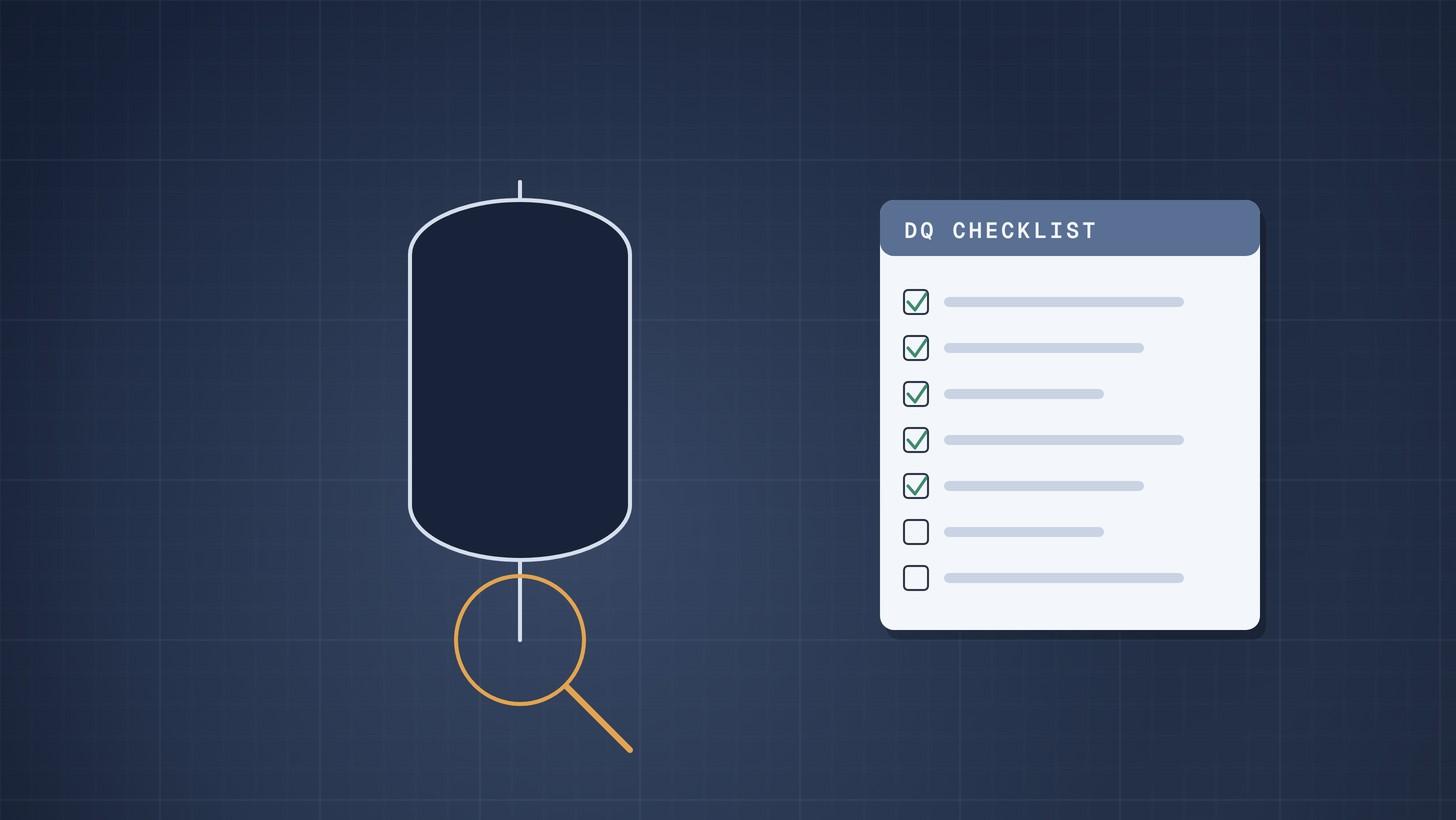
Design Qualification (DQ) for GMP Equipment: What It Is and What the Vendor Provides
Design qualification is the documented check that a proposed equipment design meets the URS and GMP before it is built. Here is where DQ sits in EU GMP Annex 15, what evidence the vendor supplies, and a DQ checklist.
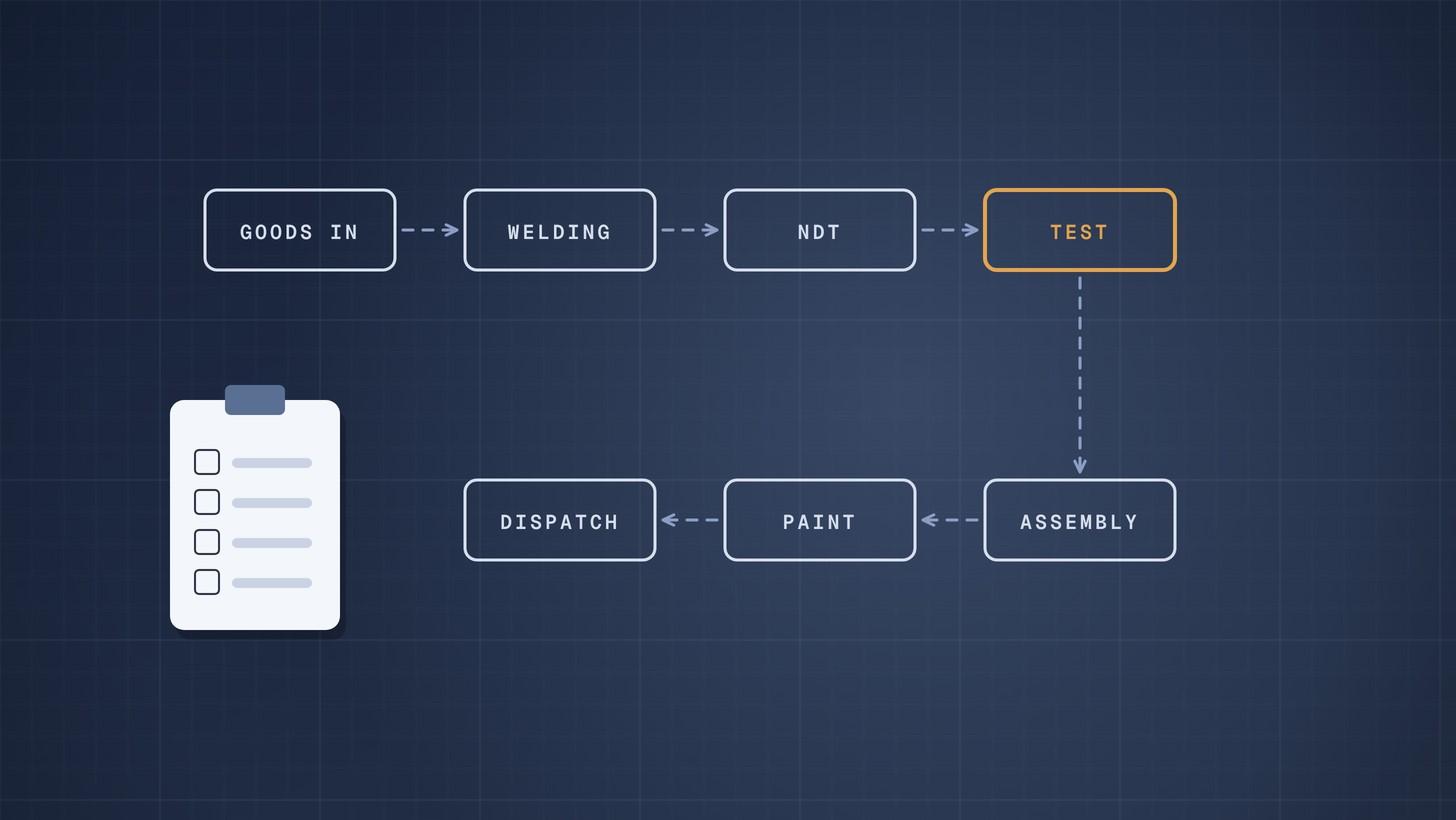
How to Prepare for a Customer Quality Audit as an Equipment Manufacturer
A practical guide for equipment makers facing a customer or vendor audit: the documents to have ready, how to run the walk through, the findings auditors raise most often and how to close them properly.
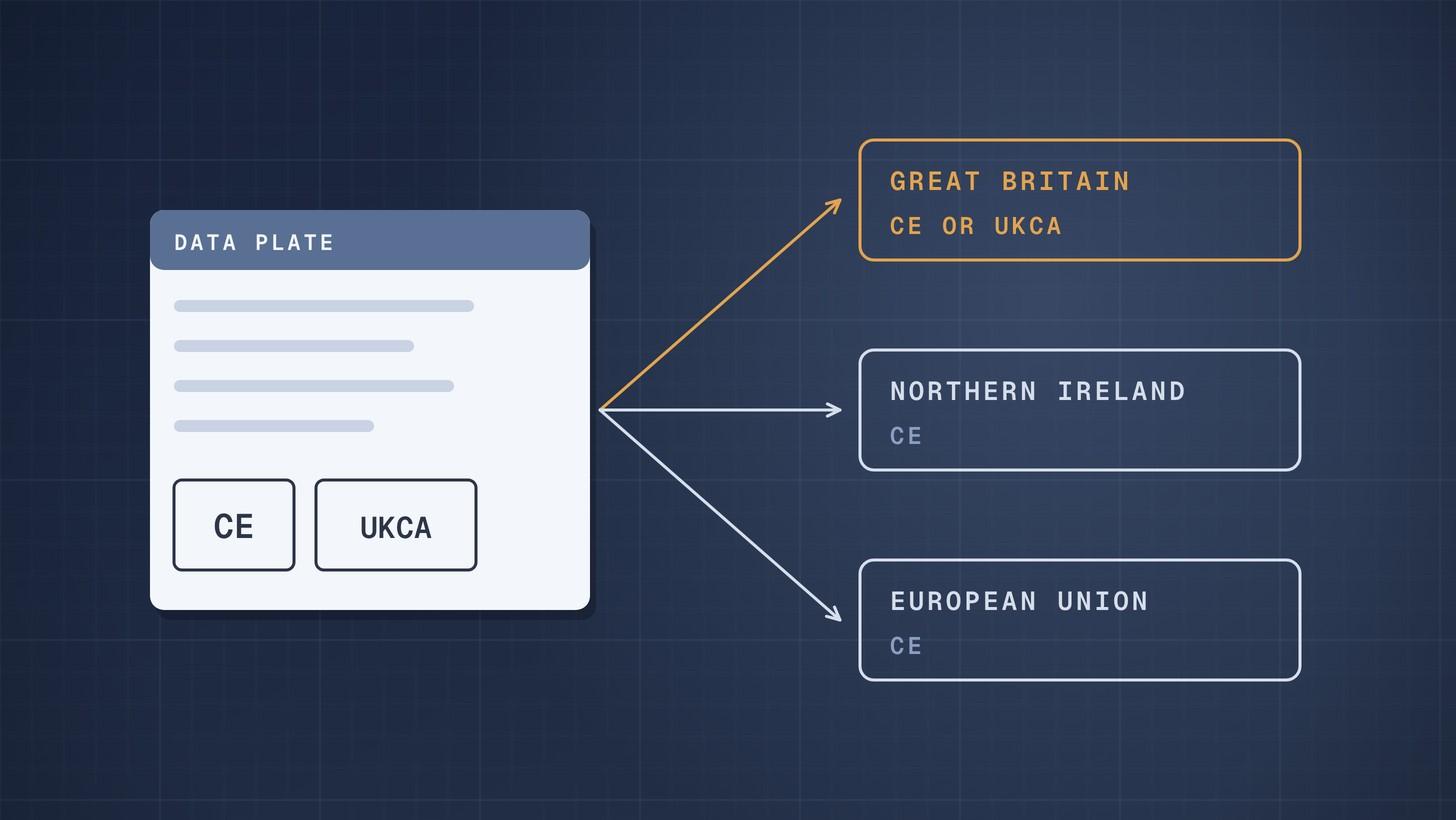
UKCA or CE Marking for Equipment Sold into Great Britain in 2026
As of November 2026, Great Britain accepts CE or UKCA marking for machinery and pressure equipment. Here is what suppliers still have to get right: approved bodies, the UK importer, labels and the declaration.