
Factory Acceptance Test (FAT) Checklist for Process Skids
A practical factory acceptance test checklist for process skids: what to agree first, what to check, why FATs slip and how FAT and SAT fit together.
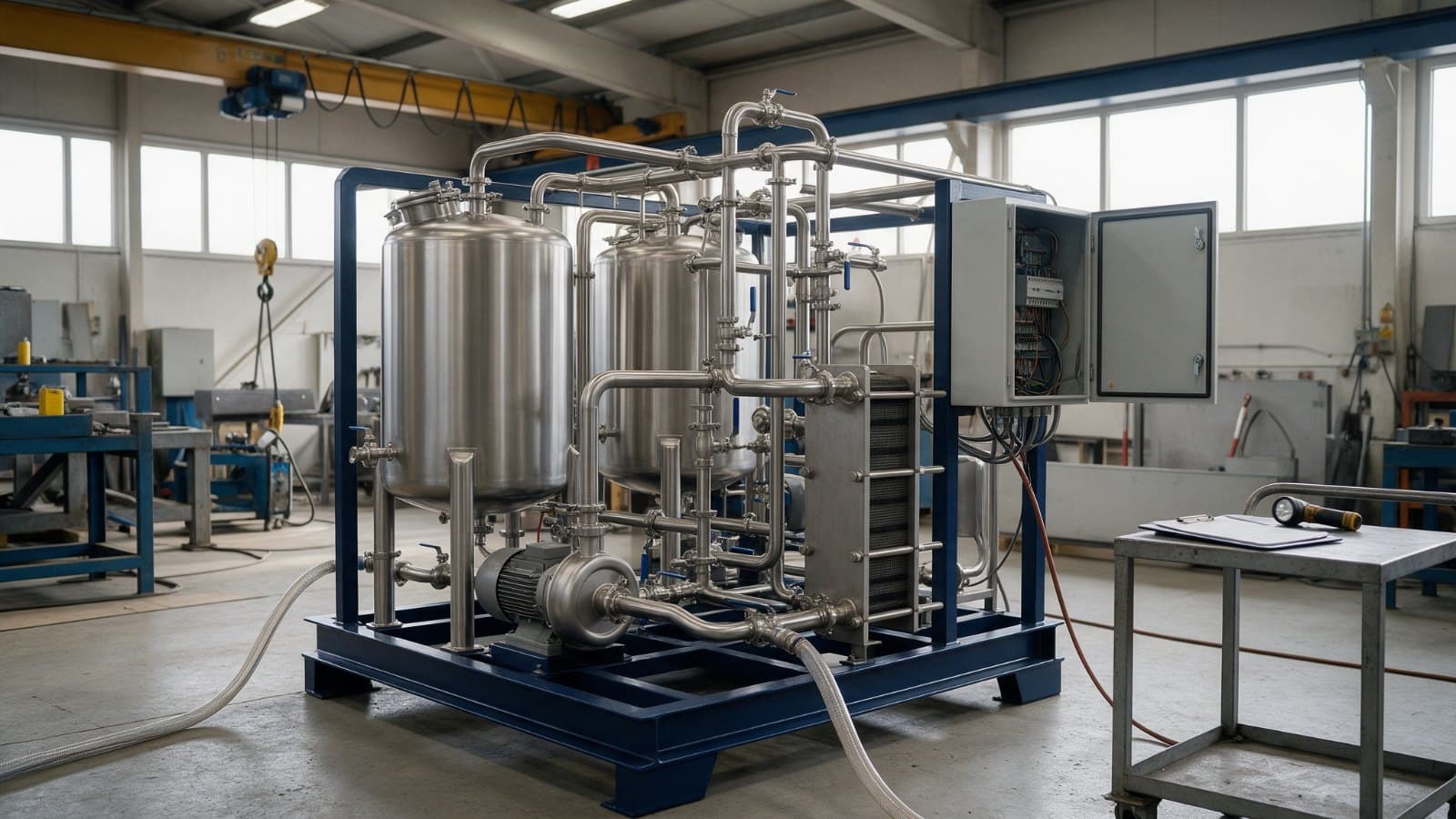
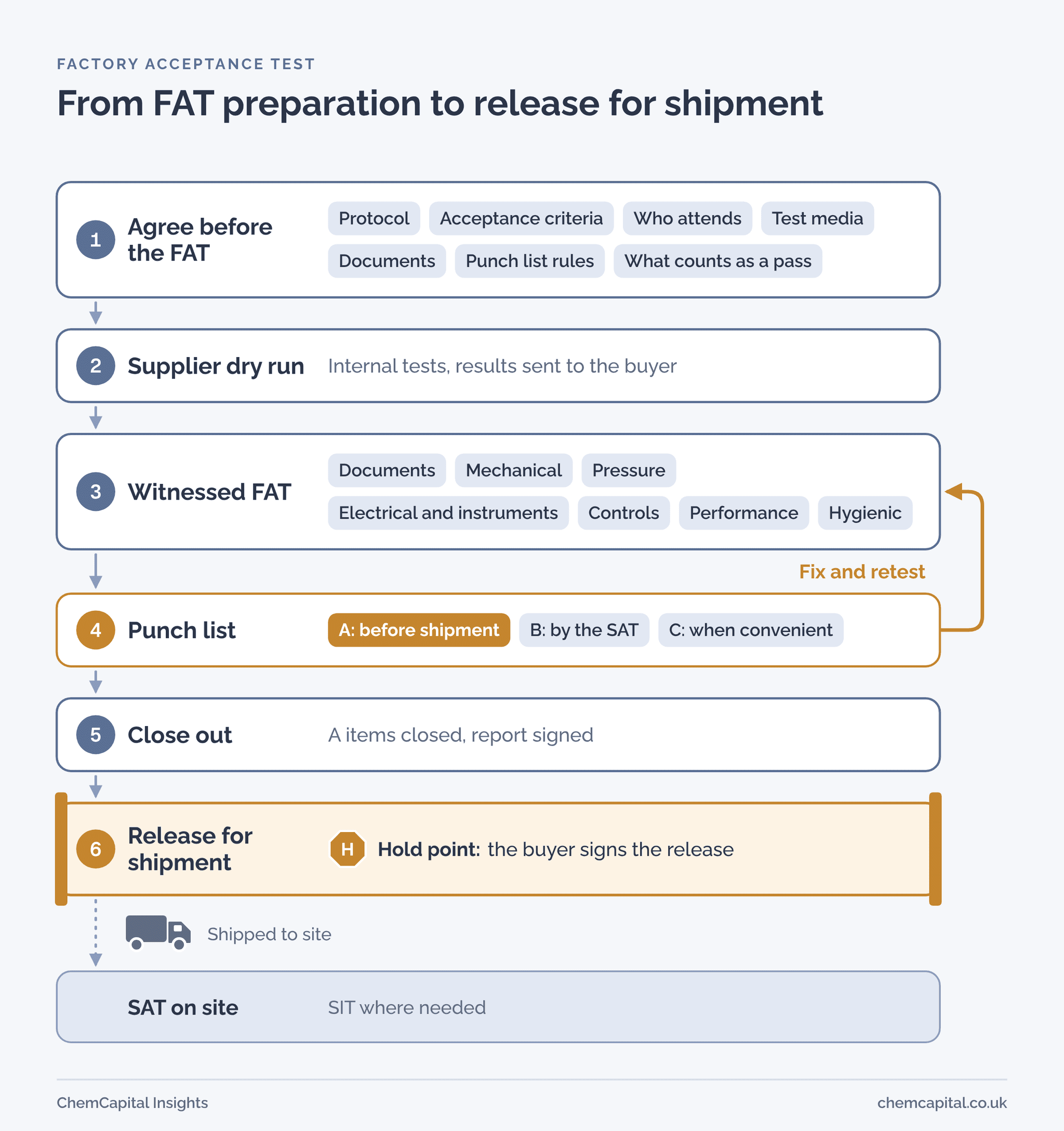
A factory acceptance test (FAT) is a planned set of checks at the supplier's works, before shipment, that proves a skid is built and works to its specification [1, 2]. A site acceptance test (SAT) follows after delivery [2]. A good FAT checklist runs from documents to release for shipment, with every check judged against criteria agreed in advance.
Why this matters now
A skid is a small plant on one frame, built by one supplier. The FAT is the last time its builders, tools and spares are in one place: a wrong sensor or a dead interlock is quick to fix at the works, and slow and costly on a live site.
IEC 62381, the international standard for acceptance testing of process automation systems, was revised in 2024, adding an optional factory integration test (FIT) and detailed checklists for project test plans [1]. In pharma, a well planned FAT can also save repeating tests in qualification [2].
Join ChemCapital to streamline sourcing and connect with verified partners
Whether you're buying or supplying, ChemCapital gives you the tools to manage the complete procurement cycle in one platform.
FAT, SAT and SIT: what each test proves
| Test | Where and when | What it checks |
|---|---|---|
| FAT | Supplier's works, before shipment | Build and function against the specification |
| SAT | Site, after delivery | Anything transport or installation could change |
| FIT and SIT | Factory (FIT is optional), then site | Integration testing of the automation system |
Under EU good manufacturing practice (GMP), a SAT may supplement the FAT once the equipment reaches site [2]. List in the FAT protocol what the works cannot test, such as real product or steam, and move it to the SAT. If the skid's controls talk to the plant control system, agree which test proves that link: IEC 62381 has separate integration stages [1].
What to agree before the FAT
Write these into the order and the inspection and test plan (ITP):
- Protocol: every test in order, with method, record sheet and criterion, approved before the FAT.
- Criteria: numbers, not adjectives. "Flow at least 20 m³/h" can fail; "operates satisfactorily" cannot.
- People: witnesses, the supplier's test lead, any third party inspector, and who may accept deviations.
- Test media: often water and compressed air, and what is simulated.
- Documents: what must be ready on day one.
- Punch list rules: how open defects are graded, for example A closed before shipment, B by the SAT, C when convenient.
- Pass: every test passed or its deviation accepted in writing, all A items closed, report signed by both sides. Tie any FAT payment milestone to this.
Make release for shipment a hold point in the ITP.
Why FATs fail or slip
- The skid is unfinished, so the FAT becomes a progress visit.
- The supplier skipped its own dry run.
- Certificates or calibration records are missing.
- Vague criteria turn tests into negotiations.
- Software is late, or still holds forces (manual overrides) and bypasses from internal testing.
- The works lacks the water, power or space the test needs.
Ask for the supplier's dry run results a week before you travel.
The FAT checklist for a process skid
IEC 62381's annexes hold fuller checklists for automation systems [1].
Documents
- Approved protocol, piping and instrumentation diagram (P&ID) and general arrangement drawing, marked up as built
- Material certificates, weld records and non destructive testing (NDT) reports
- Pressure test and calibration certificates
- Schematics, input and output (I/O) list and software version
Mechanical and visual
- Dimensions, nozzles and connections against the drawing
- Tag numbers against the P&ID
- Welds, supports, pipe slopes, dead legs, lifting points and maintenance access
Pressure and leak testing
- Hydrostatic test witnessed, or its certificate reviewed, at the specified pressure and hold time. Under the UK Pressure Equipment (Safety) Regulations 2016, a vessel's hydrostatic test pressure is, as a general rule, no less than the greater of 1.43 times its maximum allowable pressure and 1.25 times its maximum loading in service, allowing for maximum allowable pressure and temperature [3]
- Safety devices checked, if the skid is an assembly under those regulations [3]
- A written safe system of work, water rather than gas where possible, people not needed kept clear, and digital gauges or cameras instead of close inspection under pressure, as the UK's HSE advises [4]
This is general information, not legal advice.
Electrical and instrumentation
- Panel against schematics; labels, earthing, bonding and insulation resistance
- Each instrument on the right input, scaled and shown on the operator screen (HMI)
- Hazardous area certification, where needed
Control system and software
- Every alarm and interlock triggered, and its action seen
- Emergency stop, and restart after power loss
- Each sequence through its normal steps and fault paths
- User levels and, in pharma, audit trails
- No forces or bypasses left; final software version recorded
Performance and function
- A run on the test media at design flow and pressure
- Pumps and control loops against criteria
Cleaning and hygienic checks, where relevant
- Surface finish and weld inspection records for product contact parts
- Drain test: no pooled liquid anywhere
- Spray device coverage test, if specified
Close out
- Punch list graded and signed by both sides
- A items closed and retested; B items with owners and dates
- Report signed, software backup handed over, release for shipment signed
Using FAT results in pharma qualification
Annex 15 of EU GMP expects equipment to be confirmed against the user requirements specification (URS) at the vendor before installation, where applicable. Where justified, documentation review and some FAT tests need not be repeated in installation or operational qualification (IQ or OQ) on site, if it is shown that transport and installation do not affect the function [2]. That takes planning:
- Plan it. Data from outside the manufacturer's own programme, such as FAT records, is usable only if the approach is justified and controls were in place while it was gathered [2]. Quality assurance (QA) should approve the protocol first and mark which tests carry into IQ or OQ.
- Own it. Where a third party supplies protocols, site staff should confirm they suit internal procedures before approval, and vendor protocols may be supplemented [2].
- Focus it. For computerised systems, ISPE's GAMP 5 guide encourages using supplier knowledge and documentation where possible [5]. ISPE's commissioning and qualification guide uses a system risk assessment to find critical aspects [6]. Record the FAT tests behind those to qualification standard.
See also our supplier qualification checklist for pharma.
Practical example
A dairy orders a £240,000 cleaning in place (CIP) skid: two tanks, a supply pump, a plate heat exchanger, instruments and a programmable logic controller (PLC). Figures are illustrative. The two day FAT:
| When | Checks | Pass means |
|---|---|---|
| Day 1, morning | Documents; visual and dimensional checks | Nothing missing; matches drawings |
| Day 1, afternoon | Hydrostatic test; electrical and I/O checks | Pressure held; signals correct |
| Day 2, morning | Interlocks, emergency stop, CIP sequence on water | Every interlock acts; flow at least 20 m³/h |
| Day 2, afternoon | Drain and coverage tests; punch list; signatures | No pooled water; A items closed |
Of 11 punch list items, 2 were graded A.
A: the low level interlock did not stop the supply pump. The cause: a force left in the PLC program from the supplier's own testing. It was removed, a check found no others, and the retest was witnessed that afternoon.
B: water pooled in the return line, where two supports were set level instead of sloped. The supplier reset them and repeated the drain test by video call three days later. The line stays on the SAT list, because transport can move supports.
With both A items closed and the report signed, the buyer released the skid.
Write the FAT into the RFQ
FAT disputes are cheapest to settle before the order, and suppliers can only price a FAT they can see.
A structured RFQ on ChemCapital sends every supplier the same specification and delivery requirements, so FAT requirements written into it are priced on one basis. After award, the purchase order, the supplier's confirmation and milestone updates sit in one place, with every revision logged. Suppliers get the same requirements; for answering them well, read how industrial suppliers win more RFQs.
Want your next FAT agreed before the order, not argued over after it? Start free with ChemCapital, with no credit card needed.
Frequently asked questions
What is the difference between FAT and SAT?
A FAT is done at the supplier's works before shipment, to prove the equipment is built and works to its specification. A SAT is done on site after delivery, to check anything transport or installation could change and anything the works could not test.
What should a factory acceptance test checklist include?
Documents, mechanical and visual checks, pressure and leak tests, electrical and instrument checks, control system functions, a performance run, hygienic checks where relevant, and close out with a signed punch list. Every check needs an acceptance criterion agreed before the FAT.
Can FAT results be used for IQ and OQ?
Under EU GMP Annex 15, yes where justified: documentation review and some FAT tests need not be repeated on site if it is shown that transport and installation do not affect the function. Plan it before the FAT, with the protocol approved by the people your quality system names, and be able to show that controls were in place while the data was gathered.
Continue reading
Informational only, not procurement or legal advice. Cited names, frameworks, and statistics belong to their respective owners.
Join ChemCapital to streamline sourcing and connect with verified partners
Whether you're buying or supplying, ChemCapital gives you the tools to manage the complete procurement cycle in one platform.
Get started freeRelated articles
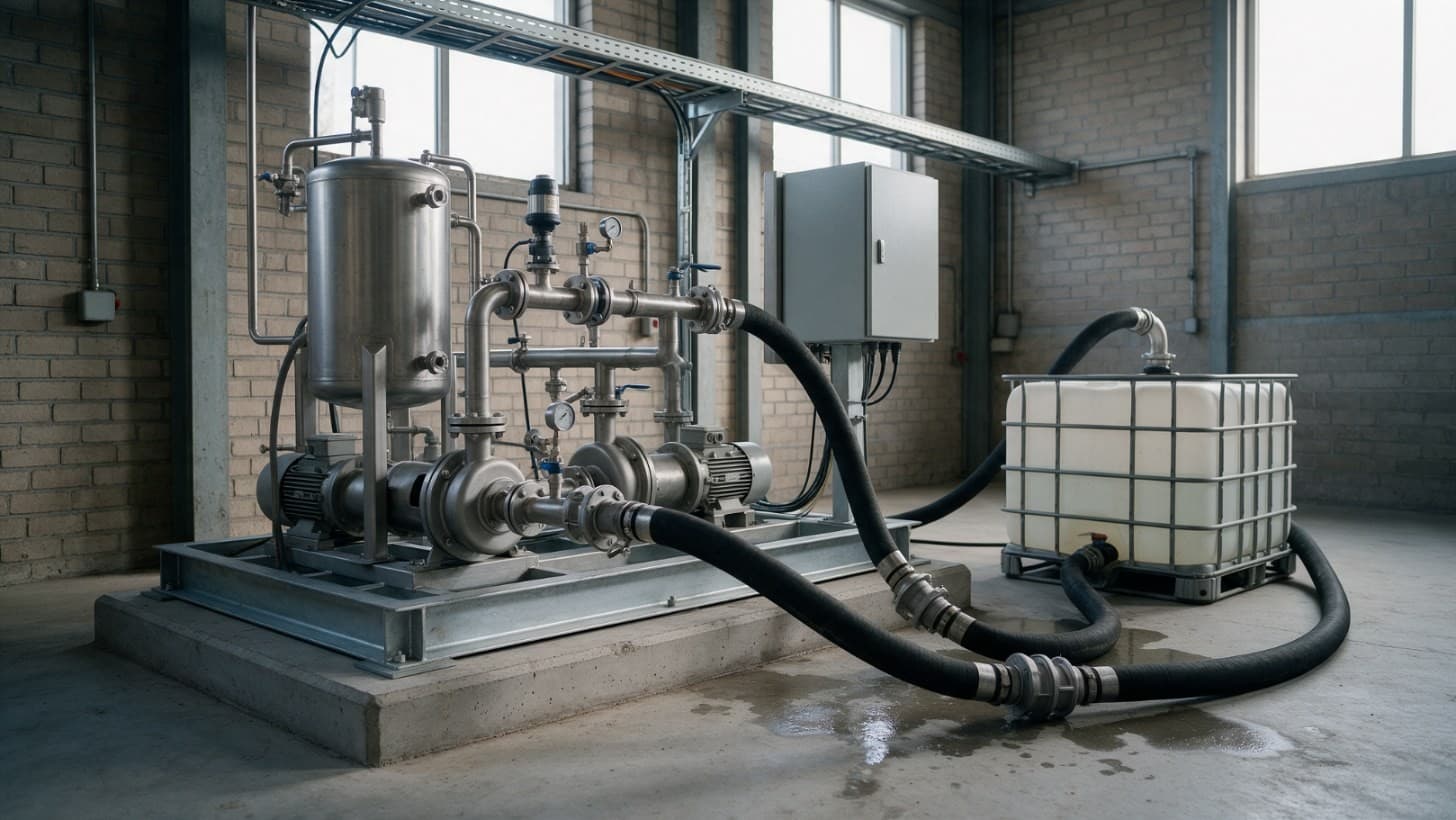
Site Acceptance Test (SAT) Checklist for Process Skids
What a site acceptance test must prove once a skid is installed, how SAT differs from FAT and commissioning, a full SAT checklist and how to handle failed tests.
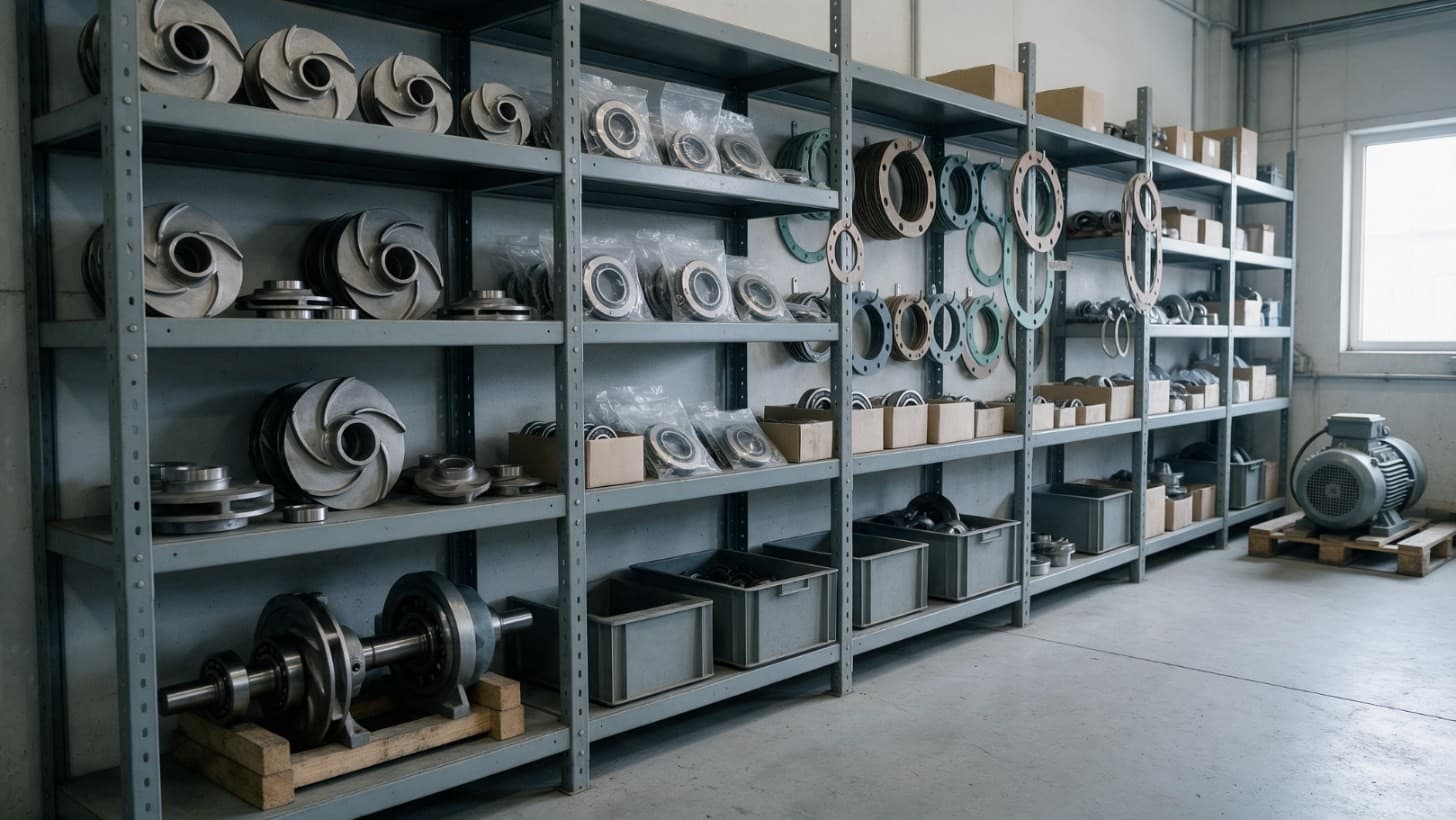
Recommended Spares List: Commissioning, Operating and Insurance Spares
What a recommended spares list should hold: commissioning, two year operating and insurance spares, criticality, what to ask in the RFQ, and a pump and vessel template.
Punch List Categories and Mechanical Completion for Process Plant
What a punch list is, how category A, B and C items gate mechanical completion, start up and handover, who clears them, and a template for vendor equipment packages.